Glide Bait: The Ultimate Guide to Catching Bigger Fish with Proven Fishing Techniques

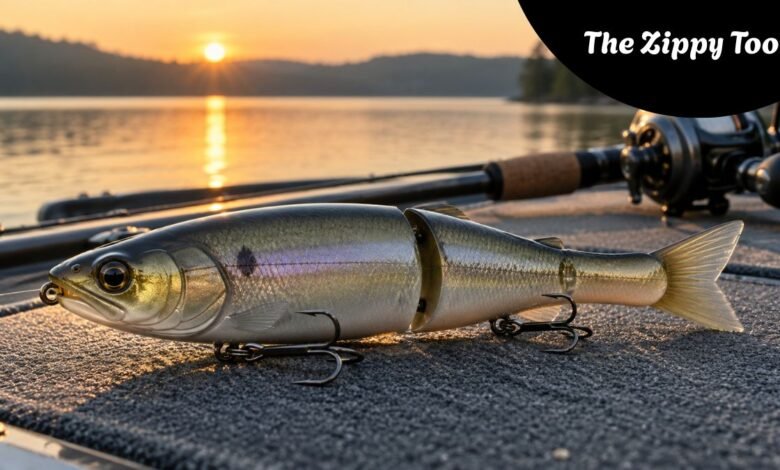
Fishing has always been about understanding how fish behave, choosing the right equipment, and presenting a lure that looks convincing underwater. Among the many artificial lures available today, the glide bait has earned a strong reputation for attracting large predatory fish. Its realistic swimming action, distinctive design, and ability to imitate natural prey make it an exciting option for anglers who want to improve their fishing experience.
Unlike conventional fishing lures that move in a straight line or produce constant vibrations, this specialized swimbait travels from side to side with a smooth, sweeping motion. That movement resembles a baitfish swimming naturally through the water, sometimes appearing vulnerable to an approaching predator. Experienced anglers often use these lures to target larger bass, especially around submerged structures, deeper edges, and feeding areas.
This article explains what glide baits are, how they work, which equipment provides better control, and the most effective techniques for using them in different fishing conditions.
What Is a Glide Bait?
A glide bait is an artificial fishing lure designed to imitate the appearance and movement of a swimming fish. Most traditional models feature a hard body divided into two sections connected by a single joint. This flexible construction lets the lure swing naturally from side to side as it moves through the water.
The most recognizable characteristic is its S-shaped swimming action. Instead of traveling directly toward the angler, the lure creates wide, controlled movements that resemble a baitfish moving through open water. This realistic presentation can attract predatory species such as largemouth bass, smallmouth bass, northern pike, and muskellunge.
Glide baits are available in different lengths, weights, colors, and buoyancy types. Some float near the surface, while others suspend or slowly sink, allowing anglers to explore different depths. Realistic body shapes, painted scales, detailed eyes, and carefully balanced designs can convince fish to investigate or attack.
How Does a Glide Bait Work?
This fishing lure’s effectiveness comes from its body design, weight distribution, and movement. Its jointed construction lets the front and rear sections move relative to each other, creating a wide swimming pattern as the angler retrieves the line.
During a steady retrieve, water pressure and the lure’s balance encourage it to travel alternately left and right. Small movements of the rod or reel can change this pattern, making the artificial fish suddenly turn, accelerate, or hesitate. These variations matter because predators often respond to changes in prey behavior.
A controlled pause can be particularly useful. Depending on its design, the lure may stay near its current depth, sink slowly, or rise. When it changes direction after a pause, a following fish may interpret that movement as an opportunity to strike.
However, not every model behaves the same way. Some produce extremely wide turns, while others maintain a tighter swimming pattern. Understanding each lure’s action is essential to presenting it effectively.
Different Types of Glide Baits
Although glide baits share similar swimming characteristics, manufacturers produce several designs to suit different fishing environments.
Floating glide baits stay near the surface when stationary and work well in shallow water, around submerged vegetation, and where fish feed close to the top. Their buoyancy helps anglers keep the lure above obstacles, though retrieval speed and line position can affect swimming depth.
Slow-sinking glide baits gradually descend when the retrieve stops. They offer greater control over the water column and work well around points, drop-offs, and deeper feeding areas. By letting the lure sink before retrieving, anglers can reach depths that floating models cannot easily access.
Fast-sinking glide baits reach lower sections of the water column more quickly. They can be effective when predators are holding deeper, but they require careful control to avoid underwater obstructions.
The best choice depends on water depth, fish location, available cover, and your preferred technique.
Choosing the Right Glide Bait Size and Color
The right lure size can make a big difference in fishing performance. Larger designs create a noticeable silhouette and may attract trophy-sized predators, while smaller versions can appeal to fish feeding on modest-sized forage.
A beginner targeting bass may find a lure measuring approximately 5 to 7 inches easier to manage than a particularly heavy, oversized model. Larger baits require stronger equipment and greater casting control, so anglers should always check the lure’s actual weight rather than relying on length alone.
Color selection is equally important. Natural patterns that resemble shad, trout, bluegill, perch, or other local forage can be productive in clear water. Realistic finishes allow predators to examine the lure without immediately detecting something unusual.
In stained water or low-light conditions, brighter finishes and high-contrast patterns may make the presentation easier for fish to notice. Nevertheless, visibility, weather, depth, and fish activity all influence color performance. No single color works best in every situation.
Essential Fishing Equipment for Glide Baits
Using the correct equipment improves casting accuracy, lure control, and the ability to land powerful fish. Because many glide baits are relatively heavy, standard lightweight fishing rods may not provide enough strength or casting capacity.
Anglers commonly use a heavy or extra-heavy swimbait rod for larger models. Many dedicated setups use rods measuring about 7 feet 4 inches to 8 feet, though the right length depends on the lure’s weight and the angler’s preference. A moderate or moderate-fast action can help maintain pressure on fish hooked with treble hooks.
Baitcasting reels are popular because they offer line capacity, casting control, and quick retrieval-speed changes. A reel with suitable line capacity and efficient line pickup makes it easier to work the lure through different swimming patterns.
Fluorocarbon fishing line is frequently chosen for its underwater characteristics and controlled presentation. Depending on lure size, 15 to 30-pound lines may be suitable for bass fishing. Some anglers prefer a braided main line with a fluorocarbon leader. The final selection should reflect lure weight, underwater structure, and the species being targeted.
How to Fish a Glide Bait Successfully
Learning how to fish a glide bait begins with understanding how it responds to different retrieval speeds. Before attempting long casts, anglers can practice in clear, shallow water where the lure remains visible.
Start with a controlled cast beyond where fish are expected to hold. Let the lure reach the intended depth, especially with a sinking model. Begin retrieving slowly while observing its natural swimming movement.
Once the lure establishes a consistent side-to-side rhythm, introduce small changes using the reel handle or rod tip. Short, controlled movements can cause it to turn more sharply, while brief pauses may imitate a baitfish hesitating or losing direction.
Avoid applying excessive force to every movement. A lure that is constantly pulled too aggressively may lose its intended swimming pattern. The goal is to create believable movement that encourages predators to approach.
Patience matters because large fish sometimes follow a lure far before committing to an attack. Experiment with speed, timing, and depth to determine which presentation elicits the strongest response.
Best Glide Bait Retrieval Techniques
One of the most reliable methods is the slow, steady retrieve. The angler turns the reel handle at a consistent speed, allowing the lure to create its natural sweeping motion. This presentation works best when fish will follow a realistic baitfish profile.
Another effective method is the pause-and-go retrieve. The lure moves forward, briefly stops, then resumes swimming. This creates an irregular pattern that can suggest hesitation or weakness, particularly when the lure changes direction after the pause.
The chopping technique involves short rod-tip movements or quick partial turns of the reel handle. These actions encourage the bait to dart sharply from side to side while making relatively little forward progress. It can be useful near docks, isolated rocks, and other areas where predators may be waiting.
Anglers also experiment with faster retrieves followed by sudden deceleration. A quick change of pace may encourage a predator to follow and attack. However, the best method depends on the individual lure, water conditions, and fish behavior.
Where to Use Glide Baits for Better Results
Location plays an important role in successful fishing. Glide baits often perform well around areas where large predators can intercept passing prey.
Rocky points, submerged timber, grass edges, docks, and underwater drop-offs are all promising locations. These structures provide shelter and potential feeding opportunities, making them suitable places to present a realistic artificial fish.
Clear water can be especially productive because predators may notice the lure from a considerable distance. Long casts work well in these conditions, letting the bait approach fish without the angler getting unnecessarily close.
In deeper water, sinking models can help reach predators positioned below the surface. Anglers should consider water depth, visibility, currents, and underwater obstacles before choosing a presentation.
Rather than repeatedly casting into one area without observing results, experienced anglers change casting angles and retrieve paths to investigate different parts of the structure.
Best Seasons and Weather Conditions
Glide bait fishing can work year-round, though fish behavior and preferred techniques change with seasonal conditions.
During spring, bass may move toward shallower areas as water temperatures rise. Larger baitfish presentations can attract attention around staging areas, points, and routes leading toward spawning grounds.
In summer, early mornings, evenings, shaded structures, and deeper feeding zones may offer promising opportunities. During particularly warm conditions, predators may become less active at certain times, so depth and retrieval speed become important considerations.
Autumn can be productive because many predatory fish feed actively on baitfish before winter. Matching the lure’s size and color to available forage may improve its effectiveness.
Even in winter, a carefully presented slow-sinking or suspending lure can attract strikes. Slower retrieves and longer pauses may be appropriate when fish are less willing to chase fast-moving prey.
Why Fish Follow Glide Baits Without Striking
One of the most interesting aspects of glide bait fishing is watching a large predator follow the lure without attacking. This behavior can be frustrating, but it offers useful insight into how fish are responding.
A fish may investigate the bait because of its size and movement but not be motivated enough to strike. Water clarity, fishing pressure, lure color, presentation speed, and the predator’s feeding mood can all influence its decision.
When a fish follows repeatedly, a sudden change in direction or a brief acceleration may trigger a reaction. Other situations call for a subtler presentation or a smaller lure.
Don’t assume every follower will eventually bite. Sometimes fish inspect an unfamiliar object and move away. Observing these encounters helps anglers improve their approach and select more suitable techniques.
Common Mistakes to Avoid
A common mistake is using a fishing rod not rated for the lure’s weight. Heavy models can place considerable stress on unsuitable equipment and make accurate casting difficult.
Another problem is retrieving too quickly without allowing the lure to develop its intended swimming action. Although aggressive retrieves can work, consistently excessive speed may reduce the realistic movement that makes these baits attractive.
Ignoring hook condition is another avoidable error. Sharp, strong hooks increase your chances of landing a fish, especially when using larger lures with treble hooks.
Anglers should also avoid using the same retrieve in every situation. Water temperature, visibility, depth, and fish activity can change throughout a fishing session. Adjusting the presentation is often more productive than repeatedly using an unsuccessful method.
Maintaining Your Glide Bait
Proper maintenance can extend a fishing lure’s useful life and preserve its swimming performance. After each trip, inspect the body, joint, hooks, and connection points for damage.
Remove mud, vegetation, and other debris before storing the lure. If it has been used in saltwater, rinse it with fresh water and allow it to dry completely.
Check whether the joint moves freely and whether the lure maintains its intended balance. Damaged components, bent hooks, or unsuitable replacement parts can interfere with swimming action.
When possible, store larger hard-bodied lures separately to reduce finish damage and prevent hooks from tangling. Regular inspection helps ensure the equipment remains reliable for future fishing trips.
Conclusion
A glide bait is a versatile fishing lure that combines realistic appearance with distinctive swimming movement. Its ability to imitate natural prey makes it a valuable option for anglers targeting predatory fish in lakes, reservoirs, and other suitable waters.
Successful glide bait fishing depends on choosing the right lure, matching it with suitable equipment, understanding fish behavior, and developing effective retrieval techniques. With regular practice, careful observation, and a willingness to experiment, anglers can improve their presentations and increase their chances of attracting larger fish.
(FAQs)
What is a glide bait used for?
A glide bait is primarily used to imitate swimming baitfish and attract predatory species. It is especially popular among anglers targeting larger bass, pike, and muskellunge because of its realistic movement and substantial profile.
Are glide baits good for beginners?
Yes, beginners can use them successfully, although learning proper retrieval techniques takes practice. Starting with a smaller, manageable lure and appropriately rated equipment makes the swimming action easier to understand.
What is the best retrieve for a glide bait?
A slow, steady retrieve is an excellent starting point. Anglers can gradually add pauses, short twitches, or speed changes to find which presentation encourages fish to strike.
Can you use glide baits in deep water?
Yes. Sinking models can reach deeper sections of the water column. Their effectiveness depends on sinking rate, line choice, retrieval speed, and where fish are located.
Do glide baits catch only large fish?
No. Although larger models are commonly associated with trophy fishing, smaller versions can attract fish of different sizes. Success depends on the species, available forage, and fishing conditions.