Anna Lake Invasive Species: The Hidden Environmental Threat and Powerful Efforts to Protect the Lake

Lake Anna is one of Virginia’s best-known freshwater destinations, attracting visitors who enjoy fishing, boating, swimming, and relaxing along its scenic shoreline. Located across Louisa, Orange, and Spotsylvania counties, this large reservoir supports a diverse aquatic environment and plays an important role in the surrounding communities. However, beneath its beautiful surface lies an environmental challenge that requires continuous attention. Invasive species, particularly aggressive aquatic plants, can disrupt natural habitats, interfere with recreational activities, and create long-term ecological problems if their populations are not properly managed.
The topic of Anna Lake Invasive Species has become increasingly relevant as environmental authorities and residents work to understand and control unwanted organisms. One of the biggest concerns is hydrilla, a fast-growing submerged aquatic plant that can spread through waterways and form dense vegetation. Understanding how these species spread, why they become problematic, and what can be done to control them is essential for protecting the lake’s future.
This article explores invasive species affecting Lake Anna, their environmental impact, current management efforts, and practical prevention measures.
What Are Anna Lake Invasive Species?
Invasive species are organisms introduced outside their natural geographical range that spread and cause ecological, economic, or environmental harm. These organisms may include aquatic plants, fish, mollusks, insects, and other living species. Not every non-native organism becomes invasive, but those that reproduce rapidly and compete with established species can create serious environmental challenges.
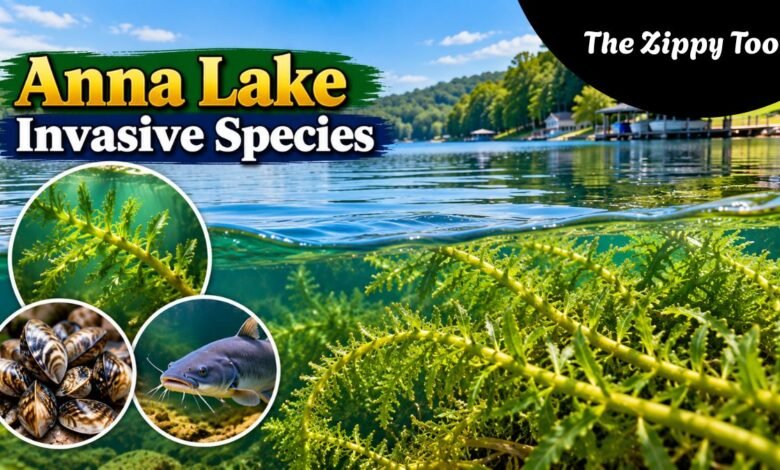
At Lake Anna, hydrilla is the most well-documented invasive aquatic plant that requires active management. Its rapid growth can interfere with boating access and alter underwater vegetation patterns. Other aquatic invaders, including zebra mussels, represent potential threats that environmental authorities across Virginia seek to prevent. Distinguishing an established infestation from a potential future invasion is essential when assessing the lake’s environmental condition.
Why Is Lake Anna Vulnerable to Invasive Species?
Lake Anna covers approximately 9,600 acres and contains numerous coves, tributaries, and shallow shoreline areas. These features provide valuable habitats for fish and other aquatic organisms, but they can also offer favorable growing conditions for invasive aquatic plants. Shallow waters receive sunlight that supports vegetation growth, while sheltered coves can allow plants to develop dense underwater beds.
Another factor is the lake’s popularity among recreational boaters and anglers. Boats, fishing equipment, trailers, and other watercraft can accidentally transport plant fragments or small organisms between different bodies of water. Environmental changes, nutrient availability, and water temperature also influence aquatic plant growth. Because Lake Anna supports extensive recreational activity, early detection and responsible boating practices are especially important to minimize the spread of unwanted species.
Hydrilla: The Most Significant Invasive Plant in Lake Anna
Hydrilla, scientifically known as Hydrilla verticillata, is a submerged freshwater plant originally found outside North America. It became established in various American waterways and developed a reputation for aggressive growth. The plant was reported at Lake Anna in the late 1980s and became a noticeable management concern in the years that followed.
One reason hydrilla is difficult to control is its ability to spread through small plant fragments. When a boat propeller, fishing line, or mechanical equipment breaks apart an established plant, fragments can move through the water and potentially establish new growth. Hydrilla also produces reproductive structures that help it survive unfavorable conditions and return during later growing seasons.
Dense hydrilla growth can obstruct boat navigation, interfere with swimming areas, and restrict access to docks. However, aquatic vegetation also shelters young fish and can help absorb nutrients. As a result, environmental managers must balance controlling excessive growth with preserving valuable underwater habitats.
How Invasive Species Affect the Lake’s Ecosystem
The environmental effects of invasive organisms extend beyond visible plant growth. When an aggressive species becomes dominant, it can alter how nutrients, oxygen, sunlight, and available living space are distributed throughout an aquatic environment. These changes can affect fish populations, underwater vegetation, and the organisms that form the base of the food chain.
Heavy vegetation can reduce open-water access and change water movement in sheltered areas. Dense plant beds may also affect dissolved oxygen levels, especially when large quantities of vegetation die and decompose. At the same time, moderate aquatic plant coverage can support fish habitat and improve water clarity by stabilizing sediments.
The central challenge, therefore, is maintaining ecological balance rather than removing every aquatic plant. Effective conservation focuses on reducing harmful concentrations while protecting vegetation’s natural functions.
Other Invasive Aquatic Species That Require Attention
Although hydrilla remains Lake Anna’s principal documented invasive-plant problem, several other organisms deserve attention because of their potential environmental effects.
Zebra Mussels and Their Potential Risks
Zebra mussels are small freshwater mollusks that can attach to underwater surfaces, boats, pipes, and infrastructure. They can reproduce rapidly, filter large amounts of plankton from the water, and compete with native aquatic organisms for food and habitat.
The Virginia Department of Wildlife Resources reports that the state has no known established zebra mussel population. Therefore, zebra mussels should be understood as a prevention concern rather than a confirmed infestation at Lake Anna. Preventing their introduction is particularly valuable because established populations can be extremely difficult and expensive to eliminate.
Blue Catfish and Introduced Fish
Blue catfish have been documented in Lake Anna, although the Virginia Department of Wildlife Resources has described their abundance as low and their origin in the reservoir as uncertain. This species can become ecologically disruptive when it establishes large populations outside its native range, particularly where it feeds heavily on other aquatic animals.
However, the presence of an introduced fish does not automatically demonstrate that it has caused serious damage in a particular lake. Scientific population monitoring is needed to determine whether such species are expanding and whether management action is necessary.
The Connection Between Invasive Plants and Water Quality
Water quality is closely connected to the condition of aquatic vegetation. Plants absorb nutrients, influence sediment movement, and provide important habitat for microorganisms and fish. However, when plant populations become unusually dense, they can create problems for recreational access and change conditions beneath the water’s surface.
Lake Anna has also experienced concerns about harmful algal blooms, which can pose health risks to swimmers and animals. These blooms should not be confused with hydrilla infestations. Hydrilla is an invasive aquatic plant, while harmful algal blooms generally involve excessive cyanobacterial growth.
Nutrient pollution, particularly phosphorus and nitrogen entering the lake through runoff and other sources, can contribute to bloom development. Managing invasive vegetation and reducing excessive nutrients are related conservation priorities, but they require different approaches. Maintaining healthy water quality involves monitoring both aquatic plants and the environmental conditions that influence algal growth.
How Invasive Species Affect Fishing and Recreation
Fishing is one of Lake Anna’s major attractions, and aquatic vegetation can influence where fish feed, reproduce, and seek shelter. Moderate plant coverage may benefit largemouth bass and other fish by creating underwater structure and hiding places. However, excessively dense vegetation can make certain locations difficult to access and may interfere with fishing techniques.
Boaters may also face difficulties when thick vegetation entangles propellers or restricts movement through shallow channels. Waterfront homeowners may also struggle to access docks and maintain recreational areas.
Importantly, invasive plants do not mean the entire lake is unsuitable for recreation. According to Virginia’s 2026 fishing forecast, Lake Anna continues to support a strong largemouth bass fishery. Responsible management aims to preserve these recreational opportunities while limiting areas where vegetation creates problems.
Current Management Efforts at Lake Anna
The Lake Anna Advisory Committee (LAAC) coordinates key invasive-plant management activities with local authorities and other stakeholders. It focuses on monitoring hydrilla growth, identifying priority areas, and selecting appropriate treatment strategies.
For 2026, the committee approved an updated hydrilla management plan that uses a coordinated approach rather than treating every affected shoreline independently. The strategy includes surveys, biological controls, and targeted herbicide applications where necessary.
Sterile grass carp are one management tool for reducing excessive vegetation. These fish feed on aquatic plants and can help control hydrilla in selected locations. Because they are sterile, they are intended to prevent the establishment of self-reproducing populations. However, stocking must be carefully managed because excessive grazing can also reduce beneficial aquatic vegetation.
Approved aquatic herbicides offer another treatment option. Such applications require appropriate oversight, attention to environmental conditions, and compliance with relevant regulations.
Why Complete Eradication Is Not Always the Best Solution
Removing every visible aquatic plant may seem like the simplest answer, but ecosystem management is more complex. Aquatic vegetation provides breeding areas, shelter, and food for many organisms. Removing too much vegetation can disrupt fish habitats and expose sediments to increased movement.
At Lake Anna, management efforts focus on controlling problematic hydrilla growth while retaining valuable aquatic habitat. This approach recognizes that the plant can provide some ecological functions, even though it is non-native and can become invasive.
The objective is sustainable vegetation management: keeping waterways accessible, protecting infrastructure, and maintaining a balanced environment. Ongoing surveys help environmental managers assess whether current treatments are effective or whether additional measures are needed.
How Residents and Visitors Can Prevent the Spread
Preventing invasive species is generally easier than controlling them after they become established. Boat owners should inspect hulls, propellers, trailers, anchors, and other equipment whenever they leave a waterbody. Plant fragments should be removed before equipment is transported elsewhere.
Cleaning, draining, and drying boating equipment is especially important because some invasive organisms can survive in trapped water or damp equipment. Anglers should avoid transferring live bait between waterbodies and follow Virginia’s regulations concerning fish transportation and stocking.
Waterfront residents can also help by reporting suspicious plant growth through appropriate local management channels. Unapproved digging, cutting, or raking of hydrilla should be avoided because fragments can spread and create additional infestations.
Local awareness, responsible recreation, and cooperation with environmental authorities provide practical ways to reduce future ecological damage.
The Future of Lake Anna Conservation
Lake Anna’s future depends on maintaining healthy aquatic habitats while responding to changing environmental conditions. Conservation programs must consider invasive plants, water quality, nutrient pollution, recreational demands, and long-term ecosystem stability.
In June 2026, Louisa County announced state funding for environmental protection initiatives, including invasive hydrilla control, boating safety infrastructure, and harmful algal bloom mitigation. This reflects the importance of coordinated investment in the lake’s environmental health.
Continued monitoring will remain necessary because aquatic vegetation can return during favorable growing seasons, even after successful treatment. Community participation, careful scientific assessment, and responsible management offer the strongest foundation for protecting the reservoir.
Conclusion
Anna Lake Invasive Species is an important environmental topic because unwanted aquatic organisms can influence recreational access, fish habitats, and water quality. Hydrilla is the most established invasive-plant challenge at Lake Anna, while other organisms underscore the importance of preventing new introductions.
The lake’s conservation efforts demonstrate that effective environmental protection requires more than simply removing unwanted vegetation. Balanced management, scientific monitoring, responsible boating, and community cooperation are essential for preserving aquatic ecosystems.
By combining preventive action with carefully planned treatment programs, Lake Anna can continue supporting fishing, recreation, wildlife, and the communities that depend on its natural resources.
(FAQs)
1. What is the main invasive species found in Lake Anna?
Hydrilla is the principal invasive aquatic plant receiving active management attention at Lake Anna. It spreads rapidly, forms dense underwater vegetation, and can interfere with boating and other recreational activities.
2. Are invasive species dangerous to people swimming in Lake Anna?
Dense aquatic vegetation can create recreational hazards, but it does not automatically make the water toxic. Harmful algal blooms are a separate water-quality concern. Swimmers should check current public health advisories before entering the lake.
3. How do invasive species spread into Lake Anna?
Aquatic invaders may spread through contaminated boats, trailers, fishing equipment, transported plant fragments, and unauthorized movement of aquatic organisms. Proper cleaning and inspection help reduce this risk.
4. What is being done to control hydrilla in Lake Anna?
The Lake Anna Advisory Committee uses monitoring, approved aquatic herbicides, and carefully managed stocking of sterile grass carp to control excessive hydrilla growth while protecting aquatic habitats.
5. Can Lake Anna’s invasive species problems be permanently eliminated?
Completely eradicating an established invasive species can be extremely difficult. Long-term monitoring, preventive measures, responsible recreational practices, and targeted management offer the best ways to limit environmental damage.