Coralline Reef: Discover the Remarkable Underwater Ecosystem That Supports Marine Life
Exploring the Formation, Biodiversity, Ecological Importance, and Conservation of Coralline Reefs

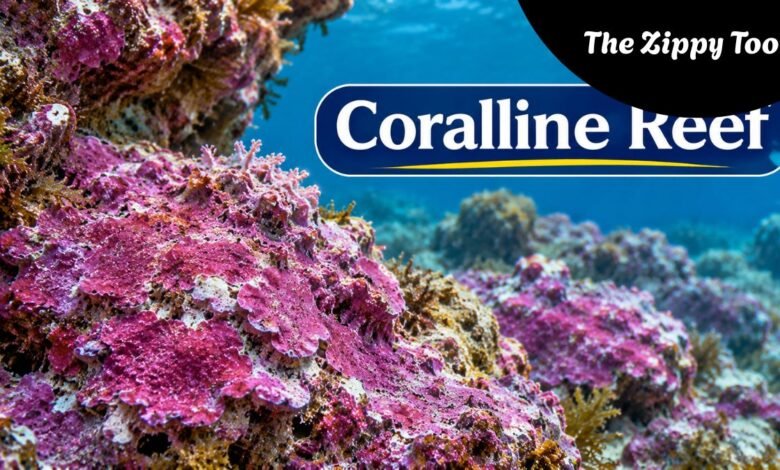
The ocean contains extraordinary ecosystems that support countless marine organisms, and coralline reefs are an important example of nature’s underwater architecture. Although colorful coral reefs receive much of the attention, coralline algae also contribute significantly to the formation, stability, and ecological functioning of marine habitats. These organisms create hard surfaces, strengthen underwater structures, and provide suitable environments for many fish and invertebrate species. Their presence shows how even small marine organisms can shape entire ecosystems. Understanding coralline reefs matters because changing ocean conditions threaten the delicate biological processes that maintain healthy marine environments.
This article explores what coralline reefs are, how they form, their ecological characteristics, biodiversity, environmental importance, conservation challenges, and their role in maintaining healthy oceans.
What Is a Coralline Reef?
A coralline reef generally refers to a reef structure in which calcified coralline algae play an important role in building, binding, or stabilizing the habitat. Coralline algae are a diverse group of red algae that deposit calcium carbonate within their cell walls, creating hard, mineralized structures. Depending on the marine environment, they may form crusts over rocks, cover dead coral skeletons, or contribute to substantial reef-like formations. The expression is descriptive rather than a single universally defined reef classification, since scientists distinguish among coral-algal reefs, coralline algal ridges, coralligenous reefs, and other habitats dominated by calcified algae. Unlike traditional tropical coral reefs, which are primarily constructed by colonies of coral animals, coralline algal structures develop through the growth and accumulation of marine algae. Both types of organisms can contribute to the same reef system, creating a complex relationship between biological growth and geological development.
How Do Coralline Reefs Form?
Coralline reefs form through a gradual biological and geological process. It begins when suitable coralline algae establish themselves on underwater rocks, shells, or existing reef surfaces. As they grow, these organisms deposit calcium carbonate in their tissues, producing a hardened covering. Additional layers can develop over existing structures, while the accumulation of carbonate material contributes to long-term reef development. In tropical environments, crustose coralline algae frequently reinforce coral-built reefs by covering exposed surfaces and helping bind loose fragments together. In areas exposed to powerful waves, certain coralline algae can become especially important reef builders because their flattened growth forms withstand substantial physical disturbance. These structures develop based on environmental conditions such as light availability, water chemistry, temperature, and suitable surfaces. Over extended periods, the combined activity of algae and other marine organisms can create complex habitats that support many forms of underwater life.
The Role of Coralline Algae in Reef Development
Coralline algae are among the most important biological contributors to reef stability. Their rigid, calcium-rich tissues help reinforce existing structures, reducing the movement of loose reef material and limiting physical erosion. These algae occur in different growth forms, including flattened crusts, branching structures, and unattached nodules. Crustose varieties often cover hard surfaces with distinctive pink, purple, or reddish layers. Some species also provide settlement cues that encourage coral larvae to attach to suitable surfaces and begin developing new colonies. However, not all coralline algae have the same ecological function, and their influence on coral settlement varies among species and environmental conditions. Beyond their structural role, coralline algae contribute to primary production through photosynthesis. Their ability to combine biological activity with carbonate formation makes them particularly valuable components of marine ecosystems.
Where Are Coralline Reefs Found?
Coralline algae occur across a remarkably broad geographic range, from tropical oceans to temperate and polar marine environments. Their distribution reflects their ability to occupy different depths, temperatures, and coastal conditions. Important coralline algal habitats occur throughout the Pacific Ocean, Atlantic Ocean, Mediterranean Sea, and Indian Ocean. In tropical reef systems, these algae often grow alongside stony corals, strengthening reef surfaces and helping maintain carbonate frameworks. In temperate waters, certain coralline species help form coralligenous reefs and extensive seabed habitats. Other species develop unattached structures called rhodoliths, which can accumulate into beds that support diverse marine communities. Rhodolith beds are ecologically significant coralline algal habitats, although they should not automatically be classified as reefs. Each habitat’s composition depends on local environmental conditions, biological interactions, and the availability of suitable surfaces.
Marine Biodiversity Supported by Coralline Reefs
One of the most fascinating characteristics of a coralline reef is its role in supporting marine biodiversity. The irregular surfaces, crevices, and sheltered spaces associated with coralline algal habitats provide opportunities for numerous organisms to feed, reproduce, and avoid predators. Small crustaceans, mollusks, worms, sea urchins, and other invertebrates may occupy spaces within these environments. Fish can use nearby reef structures for shelter and foraging, while additional algae and microorganisms grow on available surfaces. These interactions create a network of ecological relationships that helps maintain marine food webs. Coralline algae also provide grazing surfaces for certain marine herbivores. The biological diversity associated with a particular reef depends on its location, physical complexity, depth, and environmental health. Consequently, protecting these habitats can benefit multiple groups of organisms, not just the algae responsible for their formation.
Why Coralline Reefs Are Important to Ocean Ecosystems
The ecological significance of coralline reefs extends beyond their visible structure. One of their central functions is helping maintain the physical integrity of reef habitats. By reinforcing surfaces and contributing calcium carbonate, coralline algae can improve resistance to wave disturbance and reduce the displacement of loose material. Their role in creating suitable surfaces for other organisms also supports the continued development of marine communities. In certain coastal environments, algal-built reef structures contribute to the broader protection reef systems provide against wave energy. Coralline algae participate in marine carbon cycling, although their calcium carbonate production should not be confused with permanent carbon dioxide removal. Calcification and photosynthesis affect ocean chemistry differently. Their ecological value therefore arises from several interconnected processes, including habitat formation, biological productivity, reef stabilization, and the maintenance of environmental complexity.
Coralline Reef vs. Traditional Coral Reef
Although coralline reefs and traditional coral reefs share important characteristics, their principal building organisms differ. Traditional tropical coral reefs are mainly constructed by stony coral animals that secrete calcium carbonate skeletons. These animals live in colonies and often maintain a close relationship with microscopic photosynthetic algae. In contrast, coralline algal reef structures depend heavily on calcified red algae that produce hardened tissues while photosynthesizing. A major difference, therefore, is the biological identity of the reef builders.
Nevertheless, these habitats are not entirely separate ecological systems. Coralline algae commonly grow on tropical coral reefs, where they help cement structures and contribute to successful reef development. Some marine environments combine coral and algal reef-building processes. Recognizing these differences helps researchers understand how various underwater habitats develop and respond to environmental pressures.
Environmental Conditions Required for Healthy Growth
Healthy coralline algal habitats depend on environmental conditions that support photosynthesis, growth, and calcification. Light is essential for photosynthetic activity, although different species tolerate different light levels, allowing some to survive in relatively deep or shaded environments. Suitable water temperatures also matter, but preferences vary considerably between tropical and cold-water species. Ocean chemistry strongly influences calcification because coralline algae incorporate calcium carbonate into their tissues. Water movement can provide nutrients, remove accumulated sediments, and influence which species thrive in a particular location. Excessive sedimentation, however, may cover living surfaces and reduce access to sunlight. Water quality is equally important, as pollution and nutrient imbalance can alter competition between coralline algae and other marine organisms. Maintaining stable environmental conditions is therefore essential for supporting the long-term persistence of these habitats.
Major Threats Facing Coralline Reefs
Coralline reef habitats face increasing pressure from both global environmental changes and local human activities. Climate change represents a major concern because rising ocean temperatures can influence biological growth, species distributions, and ecological relationships. Ocean acidification is another significant threat. As seawater absorbs more atmospheric carbon dioxide, chemical changes can make calcification harder for many marine organisms. Certain coralline algae are particularly vulnerable because their calcified tissues contain forms of calcium carbonate sensitive to changing seawater conditions. Responses differ by species and environment, so that some populations may be more resilient than others. Coastal pollution, excessive sediment runoff, dredging, destructive fishing practices, and physical disturbance can further damage these habitats. When multiple pressures occur together, their combined effects may reduce habitat complexity and disrupt the natural processes that maintain reefs.
The Importance of Coralline Reefs for Coastal Communities
Coralline algal habitats can also benefit coastal communities by supporting marine biodiversity and healthy fisheries. Complex underwater structures offer shelter and feeding opportunities for organisms that support local food webs, including species of ecological and commercial importance. Some reef systems containing coralline algae contribute to coastal protection by reducing wave energy and helping maintain stable underwater formations. These habitats also provide opportunities for marine research, environmental education, and responsible tourism. Their ecological importance is sometimes overlooked because they lack the dramatic appearance commonly associated with colorful tropical corals. Nevertheless, the environmental services provided by coralline algae can influence the wider health of coastal ecosystems. Protecting these habitats helps sustain the biological foundations many marine resources depend on.
Conservation and Protection of Coralline Reefs
Effective conservation requires a combination of scientific research, environmental management, and responsible human activity. Marine protected areas can help reduce damaging disturbances when regulations are appropriately designed and enforced. Improved coastal development practices, wastewater treatment, and sediment management can also protect sensitive underwater environments. Fishing methods that avoid destructive contact with the seabed are particularly important in vulnerable coralline habitats, including slow-growing rhodolith beds. Researchers use underwater surveys, habitat mapping, and long-term ecological monitoring to evaluate the condition of these ecosystems. Restoration techniques are also being investigated, although rebuilding complex calcified habitats can be difficult and may require substantial time. Reducing greenhouse gas emissions remains essential for addressing the global pressures associated with warming oceans and acidification. Conservation is most successful when local habitat protection is combined with broader environmental action.
How Scientists Study Coralline Reef Ecosystems
Modern marine science uses several methods to investigate coralline reef ecosystems and understand their ecological functions. Underwater photography, diving surveys, remotely operated vehicles, and seabed mapping help researchers identify the distribution and physical characteristics of coralline habitats. Laboratory studies examine how different species respond to temperature changes, light availability, and variations in seawater chemistry. Scientists also analyze calcified algal tissues to investigate growth patterns and past environmental conditions. Genetic techniques can help distinguish species that appear similar but differ biologically. These approaches are especially valuable because coralline algae are diverse, and some species remain difficult to identify through appearance alone. Long-term monitoring provides evidence about environmental change, habitat degradation, and potential recovery. Together, these research methods improve understanding of how coralline ecosystems function and support more informed conservation decisions.
The Future of Coralline Reefs
The future of coralline reefs will depend on how effectively marine environments are protected from growing ecological pressures. Continued ocean warming, acidification, and habitat disturbance may alter the distribution and biological performance of many coralline algal species. Some populations may grow more slowly or survive less, while others may respond differently depending on their natural adaptations and local conditions. Advances in marine technology and ecological research are improving scientists’ ability to identify vulnerable habitats and understand their long-term responses. Stronger environmental protections, improved management of coastal activities, and global efforts to address climate change may help preserve these valuable marine ecosystems. Greater public awareness is also important because many people remain unfamiliar with the ecological contributions of coralline algae. Their conservation is closely connected to the broader goal of maintaining healthy, diverse, and resilient oceans.
Conclusion
The coralline reef represents an important but often overlooked component of the marine environment. By producing calcium carbonate, strengthening underwater structures, and supporting diverse biological communities, coralline algae contribute significantly to the health and development of ocean ecosystems. Their ecological functions connect biological productivity, habitat formation, and reef stability in ways that benefit numerous marine species. However, climate change, ocean acidification, pollution, and destructive human activities continue to threaten these habitats. Protecting coralline reefs requires scientific understanding, effective conservation policies, and responsible management of marine resources. By recognizing the importance of these remarkable underwater structures, societies can take meaningful steps to preserve marine biodiversity and support healthier oceans for future generations.
(FAQs)
1. What is a coralline reef?
A coralline reef is a reef structure in which calcified coralline algae contribute significantly to its formation, reinforcement, or stability. These algae produce hard tissues containing calcium carbonate and support important marine habitats.
2. Are coralline reefs the same as coral reefs?
No. Traditional tropical coral reefs are primarily built by coral animals, whereas coralline algal reef structures depend heavily on calcified red algae. Both organisms can contribute to the same reef ecosystem.
3. Why are coralline algae important for marine life?
Coralline algae help stabilize underwater structures, provide living surfaces for other organisms, support complex marine habitats, and, in some cases, encourage coral larvae to settle.
4. What is the biggest threat to coralline reef ecosystems?
Major threats include ocean acidification, rising seawater temperatures, pollution, sedimentation, and destructive seabed activities. The severity of each threat varies by habitat and species.
5. Can damaged coralline reefs recover naturally?
Some damaged habitats can recover when environmental conditions improve, and living populations remain nearby. However, recovery may be slow, particularly where long-established calcified structures have been physically destroyed.