Gajgry: The Ultimate Guide to Smarter Roof Drainage and Long-Lasting Protection
Discover how these practical drainage fittings help manage rainwater, prevent blockages, and protect buildings from avoidable water damage.

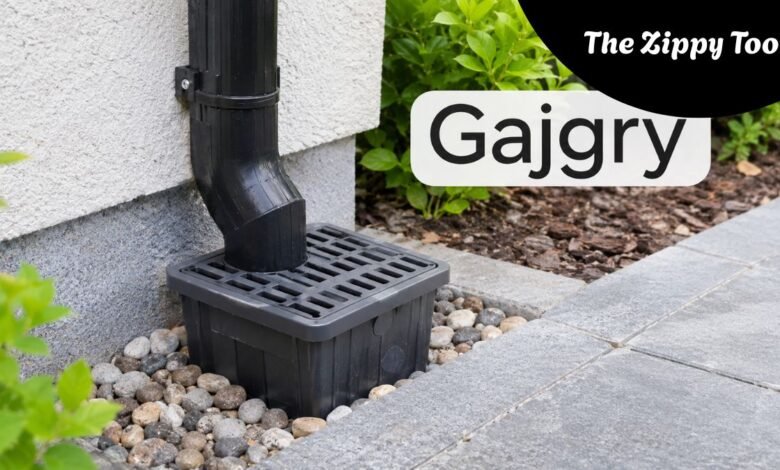
Rainwater drainage is an important part of maintaining a safe and durable property. While gutters and downpipes receive most of the attention, smaller components often play an equally important role in keeping water moving smoothly. Gajgry are among these useful components, helping manage rainwater as it travels from a building’s roof into an underground drainage system. Although the term may be unfamiliar to many homeowners, these fittings are widely recognized in Czech building and drainage terminology. Their straightforward design makes them valuable for collecting debris, reducing the risk of clogged pipes, and improving access for routine cleaning. Understanding how they work can help property owners make better decisions about drainage maintenance, equipment selection, and long-term building protection.
This article explores what Gajgry are, their essential functions, different designs, installation considerations, maintenance methods, and the benefits they offer in residential and commercial drainage systems.
What Are Gajgry and Why Are They Important?
Gajgry is the Czech plural of gajgr, a term used for a roof drainage fitting installed near the bottom of a rainwater downpipe. The technical Czech name is lapač střešních splavenin, which describes a device designed to collect debris washed from a roof. In English, it can be described as a rainwater downpipe gully or roof debris trap. Its primary function is to allow rainwater to enter a drainage system while capturing larger unwanted materials such as leaves, moss, twigs, and other particles. Without a suitable collection point, these materials can enter underground pipes, where removing a blockage may become difficult and expensive.
These fittings are particularly useful around properties surrounded by trees or exposed to frequent rain. Roofs naturally collect organic material throughout the year, and rainfall carries that material into the guttering system. A properly selected gajgr creates an accessible point where much of this debris can be removed before it reaches buried drainage connections.
How Gajgry Works in a Rainwater Drainage System
The working principle behind Gajgry is relatively simple but highly practical. When rain falls on a roof, the water flows to gutters along the roof edges. From there, the water enters vertical downpipes and travels towards ground level. A gajgr is installed where the downpipe connects with the drainage system below. As the water enters the fitting, it passes through an internal basket or grille designed to retain larger debris while allowing water to continue through the outlet.
Many models also include an anti-odor flap that helps restrict unpleasant smells traveling backward from connected drainage pipes. This feature is separate from the debris collection system and may be particularly useful when the fitting connects to drainage infrastructure where odors can develop. However, not every model includes the same components. The effectiveness of the installation depends on selecting an appropriate fitting, keeping water passages clear, and ensuring the underground drainage system has sufficient capacity.
Essential Components That Make Gajgry Effective
A typical roof debris trap contains several carefully arranged parts that work together to control runoff. The outer body forms the main housing and connects the incoming downpipe to the drainage outlet. Inside this housing, a removable basket captures material that might otherwise accumulate in underground pipes. The upper cover provides access to the basket and protects the opening from unwanted surface debris.
Depending on the design, an additional dry or wet odor-control mechanism may be included. Dry systems commonly use a movable flap, while wet arrangements depend on a water seal. Some manufacturers also supply adjustable inlet adaptors, allowing a single product design to accommodate different downpipe dimensions. These features are useful because drainage layouts vary between buildings. A fitting that offers convenient cleaning access and properly matched connections can make routine maintenance considerably easier.
Different Types of Gajgry Available for Buildings
Gajgry are manufactured in several configurations to accommodate different drainage arrangements. One common distinction is the outlet direction. Bottom-outlet models discharge water vertically into a pipe beneath the fitting, making them suitable where the underground connection is positioned directly below the downpipe.
Side-outlet models, on the other hand, direct water horizontally towards a nearby underground pipe. They can be useful where the buried drainage connection is relatively shallow or positioned away from the wall. Inlet shape, basket construction, cover design, and odor-control mechanisms also differ.
Some products are designed for circular downpipes, while others can accommodate square or rectangular sections. Certain models use interchangeable or adjustable inlet rings. Choosing the right configuration requires examining the existing drainage layout rather than relying only on the fitting’s visible appearance.
Major Benefits of Installing Gajgry
One of Gajgry’s greatest advantages is its contribution to blockage prevention. By retaining leaves and other larger particles near the surface, they can reduce the quantity of debris entering underground drainage pipes. This makes cleaning easier and may reduce the likelihood of expensive excavation or specialist drain-clearing work.
Another important benefit is improved rainwater management. When gutters, downpipes, and drainage outlets remain unobstructed, water can move away from the building more effectively. This helps reduce overflow around walls, paths, and other vulnerable areas. However, a gajgr cannot compensate for an undersized or incorrectly installed drainage system.
These fittings also provide a convenient inspection point. Instead of immediately investigating a buried pipe, a homeowner can inspect the accessible collection chamber for obvious debris accumulation. On suitable models, an additional benefit is odor reduction through the integrated flap or seal.
How to Choose the Right Gajgry for Your Property
Selecting a suitable drainage fitting involves more than choosing a product that looks compatible with the downpipe. Start with pipe diameter. Common products may support downpipe sizes ranging from approximately 75 mm to 125 mm, but compatibility varies by manufacturer and model. The underground outlet size must also match the existing drainage connection.
The second consideration is outlet direction. A bottom outlet is not automatically interchangeable with a side outlet, because the buried pipe may require a different position or depth. Material quality is another important factor. Many modern fittings are made from UV-stabilised polypropylene, which resists moisture and outdoor exposure.
Finally, consider the fitting’s accessibility and permitted loading. A unit placed near a driveway may face different physical demands from one installed beside a garden wall. Always check the manufacturer’s stated load rating and installation instructions before purchasing.
Important Considerations During Installation
Correct installation helps the Gutter Guard operate efficiently and remain accessible for maintenance. The fitting should be positioned where rainwater from the downpipe can enter without unnecessary restrictions. Its outlet must align properly with the receiving drainage pipe, and the connection should follow the manufacturer’s requirements for sealing and support.
The surrounding ground should be prepared so the fitting remains stable and the cover can be opened easily. Avoid burying the maintenance lid beneath paving materials, soil, or landscaping features. A drainage fitting that cannot be opened loses much of its practical value.
If installation requires excavation, altering underground pipes, or connecting to a regulated drainage network, professional assistance may be appropriate. Local drainage regulations also matter, particularly when determining whether roof water may discharge into a sewer, soakaway, rainwater harvesting system, or another approved destination.
How to Clean and Maintain Guttering Properly
Regular cleaning is one of the most effective ways to maintain a roof drainage system. Begin by opening the accessible cover when conditions are safe and water is not actively flowing heavily through the downpipe. If the fitting contains a removable basket, carefully lift it out and dispose of accumulated leaves, moss, and other debris. Avoid pushing the collected material into the outlet, as this could create a blockage farther underground.
After emptying the basket, inspect the openings for compacted dirt and check that any fitted odor-control flap moves as intended. Return each component to its correct position and close the cover securely.
Maintenance frequency depends on the surrounding environment. Properties under trees may need more frequent checks, particularly in autumn. Inspections after major storms can also be useful. A practical approach is to check the fitting during seasonal gutter maintenance and increase the frequency whenever debris begins accumulating rapidly.
Common Gajgry Problems and Their Solutions
Although Gajgry are designed for straightforward operation, several problems can develop over time. One common issue is slow drainage, often caused by leaves, dirt, or moss blocking the internal basket. Cleaning the collection chamber may restore normal flow if the restriction is located within the fitting.
Another problem is water overflowing around the cover during rainfall. This can indicate a blocked basket, a restriction in the outlet, or a problem farther along the underground drainage pipe. Overflow during exceptionally heavy rain may also indicate insufficient drainage capacity.
Unpleasant smells are another possible warning sign. In models equipped with an odor flap, the flap may be obstructed, damaged, or incorrectly positioned. Persistent odors deserve further investigation because their source may lie within the connected drainage network.
Cracked covers, damaged housings, and poorly fitting adaptors should also be addressed promptly to prevent deterioration and the entry of unwanted debris.
Why Material Quality and Durability Matter
Gajgry are continually exposed to moisture, seasonal temperature changes, dirt, and outdoor conditions. For this reason, material selection strongly influences long-term performance. UV-stabilised polypropylene is frequently used in modern drainage fittings because it is lightweight, corrosion-resistant, and suitable for many outdoor applications.
However, durability depends on the overall product design, not the material alone. Covers, seals, baskets, and moving flaps must remain functional despite repeated exposure to water and debris. Buyers should review product specifications carefully, including loading limits, dimensional compatibility, and relevant drainage standards.
A well-manufactured fitting installed correctly can provide reliable service for many years, although its actual working life depends on environmental conditions, usage, and maintenance.
When Should You Replace an Existing Gajgr?
Consider replacement when cleaning no longer restores proper performance or when physical damage affects the fitting’s function. A broken basket may let larger debris enter underground pipes, while a cracked housing could allow water to escape into the surrounding ground. Damaged connections can also cause leaks and instability.
Older installations may lack convenient maintenance access or may no longer match an updated drainage arrangement. When replacing a unit, inspect the condition and direction of the underground connection before selecting a new product.
Replacing the fitting will not solve every drainage problem. If water continues backing up after the collection chamber has been cleared, a blockage or structural issue farther along the drainage line may require professional inspection.
The Role of Gajgry in Sustainable Rainwater Management
Effective rainwater management supports both property protection and responsible water use. Gajgry contribute by creating a convenient debris collection point within the drainage pathway. When connected to a suitable rainwater harvesting system, a roof debris trap can help intercept larger materials before water reaches additional filtration or storage components.
However, Gajjis are not complete water filtration systems. They do not reliably remove dissolved pollutants, bacteria, or fine contaminants. Rainwater intended for household uses may require additional treatment depending on its application.
Their greatest environmental contribution comes from supporting a maintainable drainage system. When drainage components work properly, homeowners are better positioned to manage roof runoff and spot problems before they cause unnecessary damage.
Conclusion
Gajgry may be small components within a building’s drainage infrastructure, but their practical value should not be underestimated. By collecting roof debris, providing accessible maintenance points, and directing rainwater into appropriate drainage connections, they help support reliable water management around residential and commercial properties.
Choosing the right fitting involves understanding pipe sizes, outlet configurations, material quality, and installation requirements. Regular maintenance is equally important, especially in areas exposed to falling leaves and frequent storms.
A properly installed and maintained roof debris trap can reduce avoidable blockages and simplify drainage inspections. For homeowners who want dependable rainwater management and better long-term property protection, understanding Gajgry is a useful starting point.
(FAQs)
What does Gajgry mean?
Gajgry is a Czech term for roof drainage fittings that collect debris washed down through rainwater downpipes. The singular form is gajgr, and the fittings are also described as roof debris traps or rainwater downpipe gullies.
Are Gajgry suitable for residential properties?
Yes. They can be used around houses and other buildings where roof runoff connects to an appropriate drainage system. The selected model must match the downpipe and underground outlet.
How often should Gajgry be cleaned?
Cleaning frequency depends on how much debris reaches the gutters. Seasonal inspections are a sensible starting point, with more frequent checks after storms or during periods of heavy leaf fall.
Can Gutter Guards prevent unpleasant drainage smells?
Some models contain anti-odor flaps or seals that help restrict smells traveling backward through the drainage system. Their effectiveness depends on the model, correct installation, and ongoing maintenance.
What happens if GutterGuard becomes blocked?
A blocked fitting may slow rainwater drainage or cause water to overflow around the cover. Cleaning the internal basket can resolve local restrictions, but persistent problems may indicate a blockage farther along the underground drainage pipe.