Tarsha McMillian: The Singer, Mother, and Former Wife of Anthony Hamilton
Long before public attention centred on her marriage to an R&B star, Tarsha McMillian had a musical identity of her own—one shaped by gospel, soul, family and deeply personal experiences.

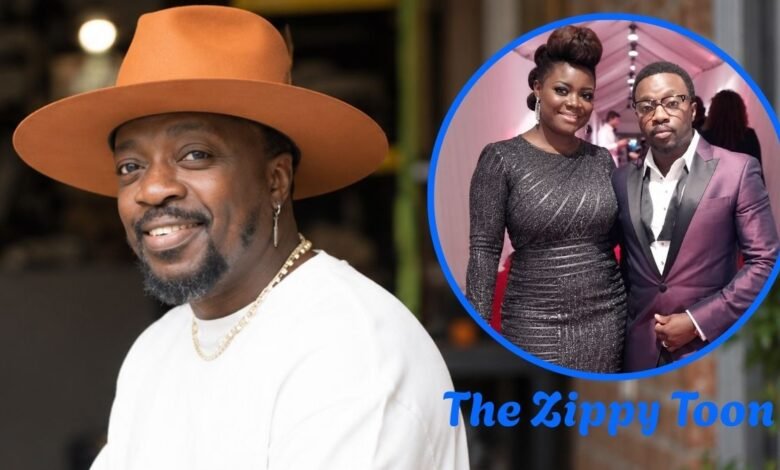
Tarsha McMillian is most widely recognized through her former marriage to Grammy-winning R&B singer Anthony Hamilton, but that description captures only part of her public story. She has worked as a singer and songwriter, performed alongside Hamilton, released her own music and built a public profile connected to gospel, R&B and community advocacy.
Tarsha McMillian: The Singer, Mother, and Former Wife of Anthony Hamilton
Long before public attention centered on her marriage to an R&B star, Tarsha McMillian had a musical identity of her own—shaped by gospel, soul, family, and deeply personal experiences.
Tarsha McMillian is most widely recognized through her former marriage to Grammy-winning R&B singer Anthony Hamilton, but that description captures only part of her public story. She has worked as a singer and songwriter, performed alongside Hamilton, released her own music and built a public profile connected to gospel, R&B and community advocacy.
Her relationship with Hamilton also crossed the traditional boundary between professional and personal life. Public interviews describe their meeting through music, their eventual marriage, the arrival of three sons and, years later, their decision to end the marriage while prioritizing their children.
That history continues to make Tarsha a subject of interest among listeners looking beyond Anthony Hamilton’s discography to the people who shared important parts of his personal and creative life.
Tarsha McMillian is a singer and songwriter best known publicly as Anthony Hamilton’s former wife and onetime backing vocalist. They married in 2005, raised three sons together, and announced the end of their marriage in 2015. Tarsha also released independent gospel and R&B material, including The McMillan Story.
Bio Summary
| Year | Documented event |
|---|
| Around 2003 | Tarsha and Anthony Hamilton began dating after meeting through a background-singer audition. |
| 2005 | The couple married. |
| 2005 | Tarsha appeared on “Preacher’s Daughter” from Ain’t Nobody Worryin’. |
| 2008 | Tarsha released The Mcmillian Story. |
| 2010 | Twins Aaron and Nolan were born. |
| 2012 | Their younger son Princeton was born. |
| 2013 | Tarsha and Anthony publicly discussed marriage, parenting and spirituality with Essence. |
| 2015 | The couple publicly announced their decision to end their marriage after approximately ten years. |
Tarsha McMillian at a Glance
- Full name used professionally: Tarsha McMillian / Tarsha’ McMillian Hamilton
- Profession: Singer and songwriter
- Musical styles associated with her: Gospel, Christian music, R&B, soul, and pop
- Known for: Solo music, collaborations with Anthony Hamilton, and her former marriage to the R&B singer
- Marriage: Anthony Hamilton, 2005–2015
- Children with Hamilton: Three sons
- Notable solo release: The McMillan Story
- Notable collaboration: “Silence Kills” featuring Anthony Hamilton
- Anthony Hamilton recording appearance: “Preacher’s Daughter” from Ain’t Nobody Worryin’
Public sources use slightly different spellings of her surname, including McMillian and McMillan. Apple Music identifies her artist profile as “Tarsha’ McMillian Hamilton,” while some Anthony Hamilton biographies use “Tarsha McMillan.”
An Audition Connected Tarsha McMillian and Anthony Hamilton
Music appears to have been the starting point of Tarsha McMillian’s relationship with Anthony Hamilton.
In a 2013 interview with Essence, the couple said they met when Tarsha auditioned to become one of Hamilton’s background singers. She received the job, and their professional relationship developed into a romantic one. Hamilton later proposed at Tarsha’s home church in Cleveland after speaking with members of her family and her pastor.
Published accounts place the beginning of their relationship around 2003. The pair married in 2005, when Hamilton’s career was growing rapidly after the success of Comin’ from Where I’m From and songs such as “Charlene.”
Tarsha therefore entered the public eye during a major period in Hamilton’s career, but she was not simply appearing alongside him socially. Her own voice became part of his recorded catalog.
“Preacher’s Daughter” Put Tarsha’s Voice on an Anthony Hamilton Album
One of the clearest documented examples is “Preacher’s Daughter,” released on Anthony Hamilton’s 2005 album Ain’t Nobody Worryin’.
Apple Music credits the track as “Preacher’s Daughter (feat. Tarsha McMillian)”, while the official Anthony Hamilton YouTube release lists Tarsha McMillian among the background vocalists.
That recording matters when examining Tarsha’s career because it shows the couple’s connection was genuinely musical rather than a celebrity relationship built around Hamilton’s fame.
The Marriage Grew Alongside a Blended Family
Tarsha and Anthony Hamilton married in 2005.
By 2013, the couple was discussing publicly how they managed marriage, children, demanding schedules, and life in the music industry. In their Essence interview, both described spirituality as an important part of their marriage and talked openly about the difficulty of finding private time while raising young children.
Hamilton already had children from earlier relationships. Tarsha and Anthony later welcomed three sons together.
Their twin boys, Aaron and Nolan, were born in November 2010. Another son, Princeton, followed in 2012. Contemporary reporting from TheGrio identified the twins by name and described Princeton as the couple’s younger baby in its 2013 interview.
The 2015 reporting deserves careful wording. Contemporary coverage documented an announcement that the couple was ending their marriage and reported that divorce proceedings had been filed. Later biographical references list the marriage as ending in divorce in 2015.
Tarsha McMillian’s Music Extended Beyond Background Vocals
Tarsha’s most clearly documented independent album is The McMillian Story.
Apple Music lists the project as a 12-track Christian album released in 2008 under the name Tarsha’ McMillian Hamilton. Songs include “Determined,” “Possible,” “Reaching Out,” “Pressing My Way,” “Unconditional Love,” and “Silence Kills.”
This catalog places Tarsha firmly in gospel and faith-oriented music, although reporting on her later work also described her style as spanning R&B, gospel, pop and rock.
“Silence Kills” Carried a Particularly Personal Meaning
“Silence Kills,” featuring Anthony Hamilton, appeared on The McMillan Story in September 2008. Apple Music and Shazam both identify Hamilton as a featured performer on the recording.
Years later, Hamilton explained in an interview that the song was connected to the family’s experience with HIV/AIDS. He said Tarsha had lost close family members to the disease, giving the collaboration a much more personal context than an ordinary husband-and-wife duet.
That background also helps explain reports that Tarsha was involved in HIV/AIDS healthcare advocacy and community service.
The 2015 Split Was Framed Around Parenting, Not Public Conflict
When Tarsha and Anthony Hamilton announced the end of their marriage in 2015, their public statements focused heavily on their sons.
Essence reported that the couple said their priority was loving and raising their three children and remaining committed to co-parenting. Hamilton described the decision as difficult and said they intended to remain friends and parents to their sons.
Contemporary reports described the separation as amicable and indicated that the pair expected to continue some professional collaboration even after the romantic relationship ended.
That distinction matters because celebrity breakups are frequently surrounded by speculation. The strongest public material available here comes from statements attributed directly to the couple or their representatives. Those statements should carry more weight than later unsourced claims about private disagreements.
Therefore, there is little justification for constructing a dramatic explanation for why the marriage ended. The publicly documented position is simply that the couple mutually decided to end it after roughly a decade.
Motherhood Became a Central Part of Tarsha’s Public Story
Parenthood wasn’t a minor detail when Tarsha and Hamilton discussed their marriage.
In their 2013 interview, Tarsha explained that raising young children affected the couple’s schedules and how much time they could spend together. Hamilton similarly described the twins’ laughter and the children’s presence as central to family life.
Those comments offer a more grounded picture of Tarsha than celebrity relationship summaries often provide. At the time, she was balancing music with motherhood while helping raise a blended household connected to Hamilton’s older children as well.
When the marriage ended, the focus stayed the same: their joint public statement emphasized the three sons they shared rather than the circumstances of the separation.
What Can Actually Be Said About Tarsha McMillian’s Finances?
No reliable public financial filing, business disclosure, or authoritative wealth report establishes Tarsha McMillian’s personal financial position.
For that reason, assigning her a specific fortune would be speculative.
Celebrity-data websites sometimes attach dollar amounts to people connected to famous entertainers, but such estimates often lack documentation showing income, property ownership, investments, liabilities, or contractual earnings.
The verifiable financial facts available publicly concern her work as an independent recording artist and songwriter. They do not provide enough information to calculate her personal assets or wealth.
Accordingly, Tarsha McMillian’s financial valuation should be considered unverified and publicly unavailable rather than represented with an invented number.
Why Tarsha McMillian Deserves Recognition Beyond the “Anthony Hamilton’s Ex-Wife” Label
Searches for Tarsha frequently revolve around Anthony Hamilton, which is understandable given his long career in R&B and soul music.
But the documentary record establishes several independent facts about her.
She recorded her own album. She performed as a professional singer. She contributed vocals to Hamilton’s music. She released a collaboration featuring him rather than appearing only as an unnamed spouse. She was also publicly associated with healthcare and community advocacy.
Her career may not have produced the same commercial visibility as Hamilton’s, but visibility and professional identity are not the same thing.
Tarsha McMillian’s documented musical credits make it more accurate to describe her as a singer and songwriter who was formerly married to Anthony Hamilton, rather than defining her exclusively through that marriage.
A Career and Family Story That Exists Beyond One Famous Name
Tarsha McMillian’s public record is inseparable from Anthony Hamilton in some respects: music introduced them, they performed together, married, raised children, and eventually separated.
But reducing her identity to “Anthony Hamilton’s former wife” leaves out important parts of the record.
Tarsha was a working vocalist before and during their marriage. Her appearance on “Preacher’s Daughter,” her independent McMillan Story album, and her collaboration with Hamilton on “Silence Kills” provide tangible evidence of her own artistic activity.
Her story is therefore best understood at the intersection of music and family: a singer whose professional life became connected with one of modern soul’s best-known voices, but whose own recordings remain part of the documented history.
FAQs.
Who is Tarsha McMillian?
Tarsha McMillian is an American singer and songwriter known for gospel, Christian, and R&B-oriented recordings. She released The McMillian Story in 2008 and collaborated musically with Anthony Hamilton. She became widely known publicly during her marriage to Hamilton, which began in 2005 and ended in 2015.
How did Tarsha McMillian meet Anthony Hamilton?
Tarsha McMillian met Anthony Hamilton through music. According to an interview with the couple published by Essence, she auditioned to become one of his background singers. She received the role, and their professional relationship later became romantic. They began dating around 2003 and married in 2005.
How many children do Tarsha McMillian and Anthony Hamilton have together?
Tarsha McMillian and Anthony Hamilton have three sons together. Their twins, Aaron and Nolan, were born in November 2010, while their younger son, Princeton, was born in 2012. Hamilton also has sons from previous relationships.
When did Tarsha McMillian and Anthony Hamilton divorce?
Tarsha McMillian and Anthony Hamilton publicly announced in 2015 that they were ending their marriage after approximately ten years. Contemporary reports said divorce proceedings had been filed, while later biographical records list their marriage as ending in divorce in 2015.
Did Tarsha McMillian sing with Anthony Hamilton?
Yes. Tarsha McMillian contributed vocals to Anthony Hamilton’s music, including “Preacher’s Daughter” on his 2005 album Ain’t Nobody Worryin’. Hamilton also appeared on Tarsha’s recording “Silence Kills,” which was included on her 2008 album The McMillian Story.
What is Tarsha McMillian’s net worth?
Reliable McMillian’s financial documentation does not establish Tarsha McMillian’s personal wealth. Although unsupported figures may appear on celebrity-data websites, verified information about her assets, earnings, investments, or liabilities is insufficient to publish a responsible financial estimate.
You might also like:Sandra Brunson Is More Than Jalen Brunson’s Mother — Her New Role Puts Years of Quiet Work in Public View
Editorial Disclaimer
This profile is based on publicly available interMcMillian’s platform credits and contemporaneous entertainment reporting. Private information that has not been credibly disclosed has not been inferred. Spellings of Tarsha’s surname vary among published sources, and Hamilton’s claims concerning her age, wealth, current relationship status, or private life should not be treated as fact.