Equator Tea: Discover Its Premium Flavors, Organic Varieties, Benefits, and Brewing Secrets
Discover the Rich Flavours, Organic Varieties, Health Benefits, and Brewing Secrets of Equator Tea.

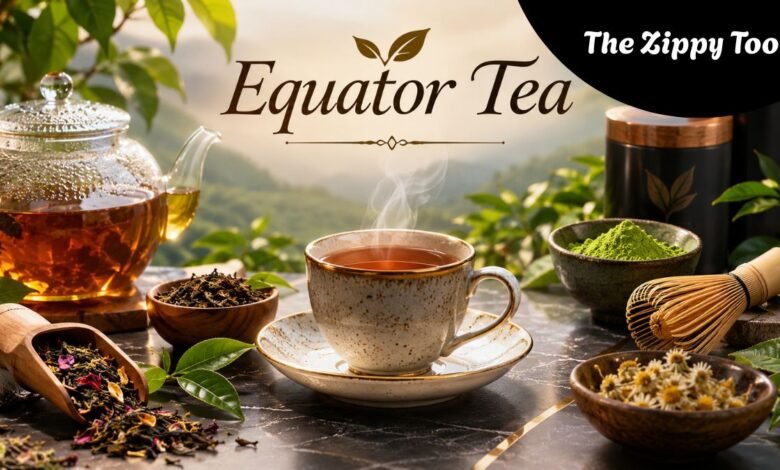
Tea is more than a comforting hot drink. For millions, it represents relaxation, tradition, hospitality, and an enjoyable part of everyday life. Among the names attracting attention from tea enthusiasts is Equator Tea, a term associated with specialty tea selections available through businesses carrying the Equator name. These collections introduce customers to traditional black Tea, delicate green Tea, aromatic herbal infusions, and contemporary favorites such as matcha. Whether someone prefers a refreshing afternoon drink or a rich morning brew, the available varieties offer different experiences worth exploring.
One important detail is that Equator Tea does not refer to a single, universally recognized tea variety. The name can refer to tea products sold by California-based Equator Coffees or by Canada’s Equator Coffee Roasters, which are separate businesses offering different selections. Understanding this distinction helps customers make informed purchasing decisions and discover the flavors that genuinely suit their preferences.
This article explores the background of Equator Tea, its popular varieties, flavor characteristics, preparation techniques, caffeine considerations, and practical tips for choosing and enjoying quality tea.
What Is Equator Tea?
Equator Tea generally refers to tea offerings from businesses operating under the Equator name, rather than a single botanical tea classification. The best-known examples include Equator Coffees in the United States and Equator Coffee Roasters in Canada. Both businesses are best known for specialty coffee, but their beverage selections also include tea products for customers who appreciate distinctive aromas, carefully selected ingredients, and different brewing traditions.
California’s Equator Coffees offers an organic tea collection featuring varieties supplied through Silk Road Teas, a specialist in artisan tea sourcing. The collection includes black, green, and white teas, along with herbal infusions and ceremonial matcha. Meanwhile, Canadian Equator Coffee Roasters has developed a relationship with Rishi Tea, offering products such as Masala Chai, Earl Grey, and other traditional or botanical blends. Although these products use different supply arrangements, they show how Tea can complement a coffee-focused business while serving customers with different tastes.
The Background and Development of Equator Tea
Helen Russell and Brooke McDonnell established the American Equator Coffees business in Marin County, California, in 1995. Its original name, Equator Estate Coffees & Teas, reflects that Tea was part of the company’s identity from its early development. Over time, the business became particularly associated with specialty coffee, responsible sourcing, and café culture. Its tea collection nevertheless continues to provide customers with alternatives to espresso-based and brewed coffee drinks.
In Canada, Equator Coffee Roasters operates from Almonte, Ontario, and serves customers through its coffee business and cafés in the Ottawa region. In November 2023, the company announced a partnership with Rishi Tea, strengthening its ability to offer premium Tea and botanical products. The partnership introduced customers to a specialist supplier with experience in international tea sourcing and organic products. These separate histories explain why two customers searching for Equator Tea might discover different products depending on their country, local café, or preferred online retailer.
Popular Equator Tea Varieties and Their Distinctive Flavors
One of the most interesting qualities of Equator Tea is the diversity available within its associated collections. Different tea types offer distinct aromas, textures, and strengths, letting customers move beyond the familiar experience of ordinary breakfast tea.
Organic Dragon Well Green Tea
Dragon Well Tea, also known as Longjing, is a traditional Chinese green tea appreciated for its delicate character. California’s Equator Coffees offers an organic version described as having a chestnut-like flavor and a clean, lingering finish. Unlike many strong black teas, Dragon Well tends to produce a lighter infusion when brewed carefully. It is particularly suitable for people who enjoy Tea without milk or sugar and want to appreciate the natural characteristics of the leaves. Excessively hot water or prolonged steeping can create unwanted bitterness, making preparation especially important.
Earl Grey Black Tea
Earl Grey remains one of the most recognisable flavoured black teas. Its distinctive fragrance comes from bergamot, a citrus fruit whose aromatic oil gives the blend its characteristic scent. Equator’s American and Canadian tea selections both feature Earl Grey-style options, although the suppliers differ. A well-prepared cup balances the richness of black Tea with bright citrus aromas. Some drinkers prefer it plain, while others add a small amount of milk. Its familiar taste makes it an accessible choice for people who are beginning to explore premium tea collections.
Yunnan Black Tea
For customers who enjoy a fuller-bodied drink, Yunnan Black Tea offers an appealing alternative. Originating in China’s Yunnan region, this Tea is commonly associated with malty, aromatic characteristics. The organic Yunnan Black offered by Equator Coffees suits those who prefer deeper flavors rather than particularly delicate infusions. Enjoy it as a morning beverage or alongside breakfast. While adding milk is a matter of personal preference, tasting the tea plain first lets its natural character come through more clearly.
White Peony Tea
White Peony, also known as Bai Mudan, represents a gentler side of traditional tea drinking. Made from tea leaves and buds, white Tea generally undergoes less processing than black Tea. The White Peony selection sold through Equator Coffees features subtle fruit and herbal characteristics. It may appeal to drinkers who find strongly brewed black Tea overwhelming but still want a beverage with more complexity than plain hot water. Its gentle flavor is particularly enjoyable when brewed without excessive heat or prolonged steeping.
Herbal Equator Tea Options for Everyday Relaxation
Not every beverage called tea comes directly from the tea plant, Camellia sinensis. Herbal infusions are typically prepared using flowers, leaves, roots, or other botanical ingredients. These drinks offer alternatives for people who enjoy warm beverages but wish to avoid the caffeine naturally present in conventional green and black teas.
Chamomile Tea is a familiar example, valued for its mild floral aroma and naturally gentle flavor. Equator Coffees offers an organic chamomile product that can be enjoyed in the evening or during a quiet break. Although chamomile is traditionally associated with relaxation, it should not be presented as a guaranteed treatment for insomnia or other medical conditions.
Peppermint Tea provides a distinctly different experience, with a fresh aroma and cooling sensation. Its bright flavor makes it enjoyable after meals or during warmer weather, especially when prepared as an iced infusion. Canadian Equator Coffee Roasters also offers botanical choices through Rishi Tea, including turmeric-and-ginger blends. These products broaden the range for people who prefer herbal flavors over traditional tea leaves.
Matcha and the Growing Interest in Modern Tea Drinks
Matcha has become increasingly common in contemporary cafés, especially in colorful lattes and iced beverages. Unlike conventional Tea, which is prepared by steeping leaves and removing them, matcha consists of finely powdered green Tea that is whisked into water and consumed as part of the finished drink. This creates a distinctive texture and a more concentrated tea experience.
Equator Coffees sells organic ceremonial matcha sourced from Shizuoka, Japan. The product is described as having a vibrant aroma and smooth umami character. Matcha’s naturally grassy and savory notes may feel unfamiliar to someone accustomed to sweetened Tea, but they become easier to appreciate with careful preparation. Milk can soften the stronger flavor, while a small amount of sweetener may suit those who prefer café-style drinks. However, plain matcha is not inherently sweet, and its caffeine content should be considered when choosing when to drink it.
Does Equator Tea Have Health Benefits?
Tea naturally contains plant compounds that researchers continue to study for their possible relationships with human health. Traditional green and black teas contain polyphenols, including flavonoids, while green Tea also contains catechins. These compounds contribute to Tea’s chemical composition and are among the reasons Tea receives attention in nutritional research. However, antioxidants do not mean drinking a particular brand or variety will prevent disease or provide guaranteed medical benefits.
Unsweetened Tea can be a practical alternative to beverages containing large quantities of added sugar. It also contributes to daily fluid intake, making it a pleasant option for people who enjoy varied drinks throughout the day. Nevertheless, individual ingredients and caffeine levels matter. People who are pregnant, sensitive to caffeine, taking medication, or managing specific health conditions should consider professional medical guidance where appropriate. The strongest reason to enjoy Equator Tea remains its flavor, convenience, and suitability for a balanced everyday routine rather than exaggerated health promises.
How Much Caffeine Does Equator Tea Contain?
The caffeine content of Equator Tea depends on the particular variety, the quantity used, and the brewing method. Black Tea, green Tea, white Tea, and matcha naturally contain caffeine because they originate from the tea plant. Their actual caffeine concentrations can vary considerably, so it would be inaccurate to assume that all green teas contain less caffeine than every black Tea.
Matcha can deliver a substantial amount of caffeine because you consume the powdered tea rather than removing it after steeping. Meanwhile, pure peppermint and chamomile infusions are naturally caffeine-free. A spiced Masala Chai blend containing black Tea will contain caffeine, even though it includes ingredients such as cinnamon, ginger, and cardamom. Anyone trying to reduce caffeine should check the ingredients on the product rather than relying solely on the flavor name or the time of day the beverage is usually served.
How to Brew Equator Tea for the Best Flavor
Proper brewing can make a noticeable difference to the flavor of premium Tea. Water temperature, steeping duration, water quality, and the quantity of leaves all influence the final result. Black teas generally tolerate hotter water and longer steeping times than delicate green teas. For many black teas, water around 90–100°C is suitable, while green Tea often benefits from water around 70–85°C, depending on the variety. These are general guidelines, not universal instructions, and product-specific preparation recommendations should take priority.
A useful starting point is to follow the amount and brewing time recommended on the packaging, then adjust according to personal preference. A shorter steep produces a lighter drink, while adding more tea leaves can increase strength without the excessive bitterness associated with prolonged brewing. Matcha requires a different technique: sift the powder into a bowl, add a small quantity of hot but not boiling water, and whisk thoroughly until smooth. For iced Tea, prepare a slightly stronger infusion before cooling it to avoid excessive dilution when ice is added.
Organic Ingredients, Sourcing, and Product Quality
The term organic tea refers to products grown and handled according to applicable organic production standards. Equator Coffees presents its packaged tea collection as organic and identifies Silk Road Teas as a specialist sourcing partner. Canada’s Equator Coffee Roasters likewise offers organic selections through its partnership with Rishi Tea. These relationships matter because suppliers influence the origins, ingredients, processing methods, and flavor profiles of the products customers eventually buy.
However, customers should distinguish between a company’s wider sustainability commitments and the specific certifications attached to an individual tea. A business may hold environmental or social responsibility certifications while different products follow their own certification requirements. Reading the packaging, checking ingredient information, and identifying the relevant producer are sensible ways to evaluate product quality. Tea freshness also matters, since exposure to light, moisture, air, and strong surrounding odors can gradually diminish its distinctive aroma.
How to Choose the Right Equator Tea for Your Taste
Choosing the right Equator Tea becomes easier when customers consider their existing beverage preferences rather than automatically selecting the most fashionable product. Someone who regularly drinks traditional breakfast tea may prefer Earl Grey, Yunnan Black, or English Breakfast. Someone looking for a lighter, more delicate experience could consider Dragon Well or White Peony. Those who enjoy warming spices may find Masala Chai appealing, particularly when prepared with milk.
Customers who want to avoid caffeine can explore pure peppermint, chamomile, or suitable herbal blends, as long as the ingredient list confirms no caffeinated tea has been added. Matcha suits people who enjoy concentrated green tea flavor or want to experiment with modern café beverages. Also check whether a product comes in tea sachets, loose-leaf form, or powder, because each format requires different preparation and storage methods. Making these distinctions before purchasing reduces disappointment and helps people develop a more satisfying tea routine.
Price, Availability, and Buying Considerations
The cost of Equator Tea varies by seller, tea type, packaging format, and country. California’s Equator Coffees has listed several organic teas in boxes of 15 sachets, while its ceremonial matcha is sold separately in a small tin. Canadian Equator Coffee Roasters offers some Rishi products in larger sachet quantities and loose-leaf packaging. Prices, stock levels, and delivery conditions can change, so always check current product listings before ordering.
Price alone does not determine whether a tea is worthwhile. Customers should consider the number of servings, ingredient quality, flavor preference, and how frequently they intend to drink the product. A larger loose-leaf package may be economical for someone who regularly prepares Tea, while a smaller box of sachets may be more convenient for occasional use. For new customers, starting with a familiar variety before experimenting with unusual flavors is often the most sensible approach.
Conclusion
Equator Tea offers an interesting introduction to specialty tea, ranging from traditional Chinese green and black teas to floral herbal infusions, spiced blends, and Japanese matcha. The most important point for consumers is that the name covers different selections associated with separate Equator businesses, not one universal tea product.
California’s Equator Coffees and Canada’s Equator Coffee Roasters each provide distinctive options through specialist tea partners. Understanding their varieties, caffeine content, sourcing details, and preparation requirements makes it easier to choose a drink that fits individual tastes. Whether enjoyed as a strong morning brew, a refreshing afternoon cup, or a gentle evening infusion, the best Tea is ultimately one that combines enjoyable flavor with personal preference and thoughtful preparation.
(FAQs)
What is Equator Tea known for?
Equator Tea is associated with specialty tea collections offered through businesses such as Equator Coffees in California and Equator Coffee Roasters in Canada. Their selections include traditional teas, herbal infusions, and other premium beverages.
Is Equator Tea organic?
Many products sold through these tea collections are labeled organic. However, customers should check individual packaging and certification details to confirm a particular product’s status.
Does Equator Tea contain caffeine?
It depends on the variety. Black Tea, green Tea, white Tea, and matcha naturally contain caffeine, while pure chamomile and peppermint infusions are naturally caffeine-free.
Can Equator Tea be served cold?
Yes. Many black, green, and herbal teas can be prepared as iced beverages. Matcha can also be served cold, including in iced matcha lattes.
Which Equator Tea is best for beginners?
Earl Grey is a familiar starting point for black tea drinkers, while Dragon Well offers a lighter green tea experience. Peppermint and chamomile are good options for people who prefer caffeine-free herbal drinks.