Halcare Cream: Amazing Benefits, Ingredients, Uses, and Essential Skin Care Guide

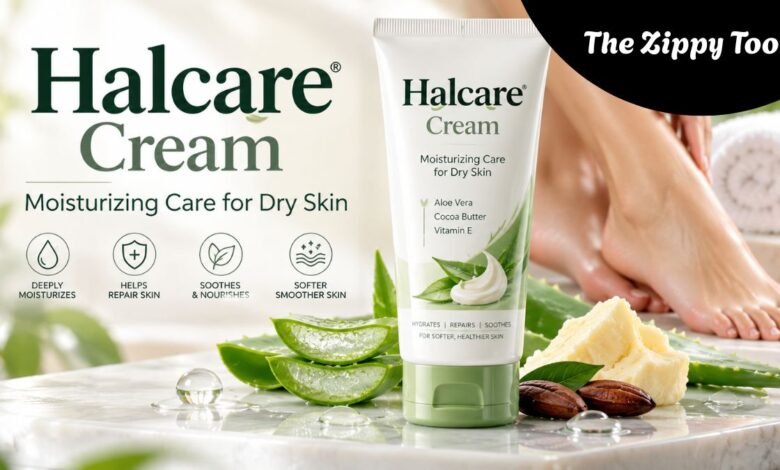
Healthy skin is not simply about appearance. It also plays an important role in protecting the body from environmental irritants, moisture loss, and everyday damage. Unfortunately, dryness, rough patches, and cracked heels are common problems that can make the skin uncomfortable and difficult to manage. Halcare Cream is a moisturizing skincare product from Halberd Pharmaceuticals, containing ingredients commonly used to hydrate, soften, and protect dry skin. Its formulation includes urea, glycerin, aloe vera, cocoa butter, and several other skin-conditioning substances. Understanding what these ingredients do is particularly useful for people looking for practical ways to manage dryness without confusing ordinary moisturizing care with medical treatment.
This article explores Halcare, including its composition, potential benefits, everyday applications, safety considerations, and the important differences between maintaining skin moisture and treating an underlying medical condition.
What Is Halcare Cream?
Halcare is a topical cream listed by Halberd Pharmaceuticals, an Indian pharmaceutical company. Its published formulation combines moisturizing agents, emollients, and skin-protective ingredients that serve different functions in maintaining the skin’s outer surface. The product is also listed by an Indian online pharmacy in a 100 ml tube. Although it is frequently discussed for dry, cracked skin, the manufacturer’s publicly available ingredient list does not indicate that it is approved to treat specific medical conditions.
The cream’s composition helps explain its potential role in everyday skin care. Some ingredients attract and retain moisture, while others create a protective layer that slows water loss. Together, these functions can help the skin feel softer, smoother, and more comfortable. However, results depend on individual skin characteristics, the severity of dryness, and how consistently the product is used.
Understanding How Halcare Works on Dry Skin
The outermost layer of human skin acts as a protective barrier. When this barrier functions properly, it helps retain moisture and limits exposure to external irritants. Cold weather, excessive washing, harsh cleansers, prolonged water exposure, and certain health conditions can disrupt this process. As moisture decreases, the skin may become tight, flaky, itchy, or visibly rough. Over time, persistent dryness can cause painful cracks, especially on the heels.
Halcare Cream contains humectants and occlusive ingredients that address different aspects of moisture loss. Humectants draw water into the upper layers of the skin, while occlusives help reduce evaporation. Emollients smooth the surface by softening rough areas. This combination is common in moisturizers for dry skin. However, it’s important to distinguish these established ingredient functions from claims about the finished product, because the publicly available listing does not clearly provide the exact concentration of each ingredient or product-specific clinical evidence.
Key Ingredients in Halcare Cream and Their Benefits
Urea and Glycerin for Moisture Retention
Among the most useful ingredients listed in Halcare are urea and glycerin. Both are widely used in moisturizing products because they attract and retain water in the skin. Urea also helps soften hardened skin, particularly at suitable concentrations. This makes it relevant to rough heels, flaky patches, and areas where the skin has become noticeably thick or dry. Glycerin supports hydration by helping the outer layer maintain moisture. These ingredients often complement each other in skin care formulations, though their effectiveness depends partly on concentration and overall product design.
Aloe Vera, Cocoa Butter, and Vitamin E
Aloe vera is commonly included in skincare formulations for its moisturizing and soothing properties. Cocoa butter acts as an emollient, helping dry skin feel softer while helping it retain moisture. Vitamin E is also an antioxidant used in cosmetic products to support skin conditioning. While these ingredients are familiar in moisturizers, their presence does not automatically mean that a cream will heal damaged skin, prevent scarring, or treat inflammatory conditions. In this formulation, they mainly contribute to a product designed around skin comfort and hydration.
Petroleum Jelly, Paraffin, and Zinc Oxide
The published Halcare ingredient list also includes white petroleum jelly, light liquid paraffin, and zinc oxide. Petroleum jelly and liquid paraffin are particularly valuable in formulations intended to limit moisture loss because they form a protective layer over the skin. Zinc oxide is frequently used in topical skin-protective products and can provide a physical barrier against certain external irritants. Additional ingredients, including cetyl alcohol and stearyl alcohol, improve the cream’s texture and support its conditioning properties. These fatty alcohols differ from the drying alcohols commonly found in some skincare products.
Potential Benefits of Using Halcare Cream
One of the main reasons someone might consider Halcare is its combination of ingredients linked to hydration and moisture protection. Regular moisturizing can make dry areas feel more flexible, reduce flaking, and ease the uncomfortable tightness that often develops when skin loses water. This is especially relevant during colder months, when indoor heating and low humidity increase dryness. Frequent handwashing, exposure to cleaning products, and poorly fitting footwear may also contribute to skin discomfort.
Another potential advantage is its blend of ingredients with different moisturizing functions rather than relying on a single component. Glycerin and urea attract moisture, while petroleum jelly and cocoa butter help prevent it from escaping. Nevertheless, understanding how ingredients generally work differs from demonstrating how well a particular product performs. Without reliable comparative clinical trials for the finished cream, it would be difficult to justify claims that it works faster or better than other moisturizers.
Halcare Cream for Dry and Cracked Feet
The feet are especially vulnerable to dryness because they experience constant pressure, friction, and contact with footwear. Heels often develop thickened skin, which can become less flexible and eventually crack. A cream containing urea, glycerin, and protective emollients may help soften dry areas and make routine foot care more comfortable. For mild dryness, apply an appropriate moisturizer after washing and thoroughly drying your feet to support hydration.
However, not all cracked heels are minor cosmetic concerns. Deep fissures, bleeding, swelling, or persistent pain may signal a problem requiring medical attention. This distinction is especially important for people living with diabetes or conditions that affect circulation and sensation. A moisturizer may help with dry skin, but it cannot restore damaged nerves, improve poor circulation, treat infections, or heal a diabetic foot ulcer.
Is Halcare Suitable for People With Diabetes?
People with diabetes may experience dry skin, particularly on their feet, because nerve damage can affect normal sweating and sensation. When the skin becomes excessively dry, cracks may form, increasing the risk of infection. Good foot care therefore includes regular inspection, gentle cleaning, proper drying, suitable footwear, and appropriate moisturizing. Halcare’s moisturizing ingredients may help with dry-skin care, but the product should not be considered a treatment for diabetes-related complications.
Anyone with diabetes should take additional care before applying a new product to damaged feet. Moisturizer is generally applied to the tops and bottoms of the feet rather than between the toes, where excess moisture can encourage infection. Seek professional assessment for open wounds, ulcers, unexplained redness, unusual warmth, or new swelling. People with significant loss of sensation or circulation problems should consult a healthcare professional when choosing foot care products.
How to Use Halcare Cream Properly
Correct application can make a noticeable difference when using moisturizers. Begin by gently washing the intended area with a mild cleanser and lukewarm water. Pat the skin dry without aggressive rubbing, leaving it slightly damp where appropriate. Apply a small amount of Halcare Cream to intact skin and spread it gently without excessive pressure. Moisturizing soon after bathing can help retain water in the skin, although the product label should remain the primary guide for how frequently it may be applied.
For particularly dry heels, a consistent evening skincare routine can help. Clean and dry the feet, inspect for injuries, and apply moisturizer only where appropriate. Avoid using the product on open wounds or infected areas unless a healthcare professional specifically recommends it. The manufacturer’s product page does not specify an application frequency, so it would be inaccurate to suggest that everyone should use the cream a particular number of times daily.
Possible Side Effects and Important Precautions
Even moisturizing products can cause unwanted reactions in some individuals. Halcare’s listed formulation includes perfume, phenoxyethanol, propylene glycol, and other ingredients that may not suit every person’s skin. Fragrance is a particular consideration for people with sensitive or allergy-prone skin. Possible reactions include redness, itching, stinging, burning, or irritation after application. Urea-containing products may also sting when used on severely cracked or inflamed skin, depending on their concentration.
Before using any unfamiliar skin care product widely, check the full packaging information and test a small area of intact skin. Stop using the cream if a reaction develops and seek professional advice if irritation continues. Avoid contact with the eyes, mouth, and other sensitive areas unless the label specifically permits application there. People undergoing medical skin treatments, those with active eczema or significant skin damage, and parents considering use on young children should confirm suitability with a qualified professional.
Halcare Cream Compared With Ordinary Moisturizers
Not all moisturizing products are formulated in the same way. Lightweight lotions often contain more water and may feel comfortable for daily use, while richer creams and ointments generally provide more substantial protection against moisture loss. Halcare combines moisture-attracting ingredients with richer substances, including petroleum jelly and paraffin. This suggests a formulation designed to provide both hydration and a protective surface layer.
When comparing Halcare with other moisturizers, consider skin type, ingredient concentration, sensitivity, texture, cost, and the intended application area. People with sensitive skin may prefer fragrance-free options, while those with rough heels may need a specific urea concentration. The most expensive product isn’t necessarily the most effective, and a long ingredient list doesn’t automatically mean better performance. Choose a moisturizer based on your skin’s needs rather than promotional promises.
Price, Availability, and What to Check Before Buying
Indian pharmacy retail channels list Halcare Cream as a 100 ml topical cream, with Halberd Pharmaceuticals identified as its marketer. Availability and retail prices can change, and a product listing does not guarantee that a particular pharmacy currently has stock. Buyers should examine the packaging carefully, including the manufacturer or marketer details, ingredient information, expiry date, batch number, storage instructions, and any recommended precautions.
It is also important to check whether the formulation printed on the package matches the ingredients advertised online. Packaging and formulas may change over time. Purchasing through an established pharmacy can reduce uncertainty about product identity and storage conditions. Readers should avoid assuming that every product with a similar name is the same preparation, especially when searching across countries or marketplaces.
Building a Better Daily Skin Care Routine
A moisturizing cream works best as part of a consistent daily care routine. Shorter showers with lukewarm water, gentle cleansers, adequate skin protection, and footwear that doesn’t repeatedly rub the heels can help reduce dryness. Applying moisturizer after washing and repeating the routine as needed can be more effective than using a large amount occasionally. For dry feet, clean socks and properly fitting shoes also contribute to comfort.
Persistent dryness sometimes reflects a medical condition rather than a simple lack of moisturizer. Eczema, fungal infections, diabetes-related complications, and certain other disorders may require specific treatment. Therefore, healthy skin maintenance means recognizing when basic moisturizing is enough and when symptoms warrant medical evaluation. If dryness becomes painful, causes bleeding, or doesn’t improve, professional guidance is better than repeatedly changing cosmetic products.
Conclusion
Halcare Cream is a skin care preparation that combines moisturizing, softening, and protective ingredients, including urea, glycerin, aloe vera, cocoa butter, petroleum jelly, and vitamin E. These ingredients help explain why the cream may help people dealing with everyday dryness, rough patches, or uncomfortable heel skin. Its potential usefulness lies mainly in supporting moisture retention and maintaining a comfortable skin surface, not treating underlying medical conditions.
For anyone considering Halcare, the most sensible approach is to check the product label, understand the ingredients, follow the application instructions, and watch for possible irritation. Consistent skin care habits and timely medical attention for persistent or serious symptoms remain essential. Choosing a suitable moisturizer is ultimately about long-term skin comfort, safety, and practical everyday care, rather than relying on exaggerated promises.
(FAQs)
What is Halcare Cream mainly used for?
Halcare is a moisturizing topical cream with ingredients commonly used to soften dry skin and reduce moisture loss. Its formulation may be useful for everyday care of rough or dry areas, but specific medical treatment claims should not be assumed without appropriate evidence.
Can Halcare Cream help with cracked heels?
Its moisturizing ingredients may help soften rough heel skin and improve hydration. However, deep cracks, bleeding, infected skin, or persistent discomfort should be evaluated by a healthcare professional.
Can people with diabetes use Halcare Cream?
People with diabetes may benefit from appropriate moisturizing, but suitability depends on their skin condition and the product instructions. It should not be used as a replacement for diabetic foot care or prescribed treatment.
Can Halcare cause skin irritation?
Yes. Like other topical products, it may irritate some users or cause an allergic reaction, particularly those sensitive to fragrance or other listed ingredients. Discontinue use if a reaction occurs.
Is Halcare better than other moisturizing creams?
Reliable, product-specific comparative evidence is insufficient to show that Halcare performs better than competing moisturizers. Ingredient concentration, skin compatibility, and individual needs are more useful factors when making a choice.