Head Spa Near Me: What to Know Before Booking the Scalp Treatment Everyone Is Talking About
Searching "head spa near me" can lead to everything from a simple scalp massage to a multi-step Japanese-style treatment, so it helps to know what you are actually booking.

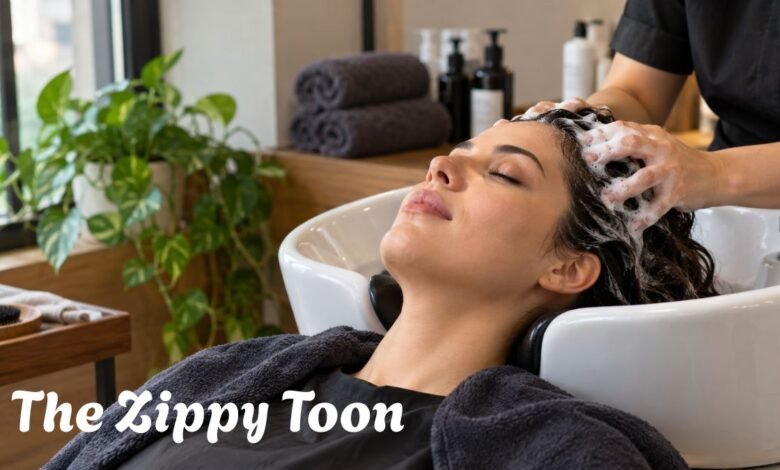
A head spa appointment may look like pure relaxation on social media: flowing water, slow scalp massage, thick foam, and a spotless treatment bed. But behind the calming visuals is a practical question—what does the treatment actually do for your scalp and hair?
Interest in scalp care has expanded beyond ordinary shampooing. Salons and wellness studios increasingly offer scalp cleansing, exfoliation, massage, conditioning treatments, and spa-style relaxation as dedicated services. Yet the quality, products, and techniques can differ dramatically between providers.
That means the best result does not necessarily come from choosing the closest salon. It comes from finding a clean, transparent provider whose treatment matches your scalp condition, hair texture, and expectations.
Bottom line: A good “head spa near me” is a professionally delivered scalp-care and relaxation service that typically combines cleansing, scalp massage, and conditioning. It may improve comfort and remove product buildup, but it should not be treated as a medical cure for dandruff, psoriasis, unexplained hair loss, or other scalp disorders.
What You Are Actually Paying for During a Head Spa
A head spa is generally a salon or wellness treatment focused primarily on the scalp rather than conventional hairstyling.
The exact sequence depends on the provider, but appointments commonly combine several stages:
- Scalp and hair assessment
- Shampoo or deep cleansing
- Scalp massage
- Product-buildup removal
- Scalp exfoliation where appropriate
- Conditioning or hair-mask application
- Steam or warm-water treatment
- Rinsing
- Drying or basic finishing
Some businesses market their treatment as a Japanese head spa, usually emphasizing extended scalp massage, careful cleansing, relaxation, and water-based treatment techniques.
That does not make every service medically therapeutic.
A head spa operates primarily within the beauty and wellness category. A dermatologist operates within medical scalp diagnosis and treatment. Understanding that distinction is essential when deciding which appointment you need. Scalp Massage Feels Good—but Hair-Growth Claims Need Perspective
One of the most attractive parts of a head spa is massage.
Massage can be relaxing, and Cleveland Clinic describes scalp massage as a hair-care measure that may stimulate blood flow to the scalp.
However, research on hair-growth effects remains limited.
A small 2016 study involving just nine healthy Japanese men investigated four minutes of standardized daily scalp massage for 24 weeks. Researchers reported increased hair thickness, but they did not find a significant increase in hair density. The tiny sample size means the findings should not be treated as proof that occasional spa treatments cause hair regrowth.
This distinction matters when comparing local providers.
Claims such as “relaxing scalp massage,” “deep cleansing,” or “conditioning treatment” describe plausible spa services. Claims promising guaranteed hair regrowth, permanent dandruff removal, or treatment of medical hair-loss conditions deserve much greater scrutiny.
A head spa can be part of a scalp-care routine, but relaxation and cosmetic scalp care are not substitutes for medical diagnosis.
Dandruff Changes What a Head Spa Should—and Should Not—Do
Someone searching for head spa near me for dandruff may hope cleansing and exfoliation will permanently eliminate flakes.
Dandruff is more complicated than simple dirt or product buildup.
The American Academy of Dermatology states that dandruff can have multiple causes, including oily skin, hair-care habits, and certain medical conditions. Dermatologists commonly recommend appropriately formulated dandruff shampoos containing ingredients such as ketoconazole, selenium sulfide, salicylic acid, zinc pyrithione, sulfur, or coal tar depending on the situation.
Mayo Clinic similarly describes dandruff as a mild form of seborrheic dermatitis and notes that symptoms may return even after treatment.
A spa therefore should not promise to “cure” persistent dandruff.
When flakes may need something more than a spa
Dryness, itching and flaking can look similar even when their causes differ.
The American Academy of Dermatology notes that scalp symptoms may be related to dandruff, dry skin, psoriasis, fungal infections and other conditions. Persistent symptoms can therefore require assessment by a dermatologist rather than repeated cosmetic treatments.
Seek professional medical advice when you have symptoms such as:
- Severe or persistent itching
- Significant redness
- Painful inflammation
- Thick scaling or crusting
- Open sores
- Bleeding
- Sudden or unexplained hair loss
- Symptoms that continue despite appropriate over-the-counter care
Mayo Clinic advises seeking healthcare guidance when dandruff does not improve with regular use of dandruff shampoo.
Oily, Dry or Sensitive? Your Scalp Type Should Shape the Treatment
Not every scalp needs aggressive cleansing.
Someone with heavy styling-product buildup may appreciate a clarifying treatment, while someone with irritated or extremely dry skin may find strong exfoliating products uncomfortable.
Oily scalp
An oily scalp may benefit from careful cleansing, but excessive scrubbing is not automatically better. The goal is to remove excess oil and residue effectively without unnecessary irritation.
Dry scalp
Dry scalp is not automatically dandruff.
AAD guidance explains that dry skin can occur when the scalp loses too much water, while some hair-care products may contribute to dryness and irritation. Switching to gentler products can sometimes be more appropriate than adding aggressive treatments.
Sensitive scalp
Tell the provider about previous reactions to fragrances, shampoos, dyes, essential oils, or scalp treatments before the session begins.
An itchy scalp can sometimes result from a reaction to a hair-care product. The AAD also notes that inadequately rinsed shampoo may irritate the scalp.
For sensitive clients, a simpler treatment can be better than an elaborate package containing multiple fragranced or active products.
Five Questions to Ask Before You Book
A short conversation with the salon can tell you more than an attractive video.
Ask:
- What exactly happens during the head spa treatment?
- How long is the full appointment?
- Which products will be applied to my scalp?
- Can the treatment be adjusted for sensitive, curly, colored, or chemically treated hair?
- Is drying included in the advertised price?
If you have dandruff, eczema, psoriasis, unexplained irritation, or significant hair loss, disclose it before treatment.
A responsible provider should be comfortable saying that certain conditions require medical assessment.
What a Quality Session Should Feel Like
A scalp treatment does not need to hurt to be effective.
Massage pressure should generally feel comfortable, not aggressive. Scratching, harsh scraping, or vigorous manipulation of already inflamed skin should not be treated as proof that the scalp is being “deep cleaned.”
The same principle applies to products.
More oils, acids, exfoliants, fragrances, and masks don’t necessarily mean a better service. The appropriate treatment depends on the individual scalp.
Cleanliness should also be visible. Fresh towels, sanitized equipment, clean treatment areas, and careful tool handling are basic signs of professional salon practice.
How Often Should You Get a Head Spa?
No universal, medically established schedule exists for cosmetic head-spa appointments.
Frequency depends on:
- Hair texture
- Scalp sensitivity
- Product buildup
- Oil production
- Styling habits
- Treatment intensity
- Products used during the session
Someone booking primarily for relaxation may choose occasional appointments. Someone seeking help with product buildup may schedule as needed.
Medical scalp conditions should follow a dermatologist’s treatment schedule, not a salon’s package plan.
That distinction can prevent unnecessary spending and repeated irritation.
The Booking Decision That Protects Your Scalp
The smartest response to a head spa near me search is not simply clicking the closest result.
Start by deciding what you actually want: relaxation, product-buildup removal, scalp cleansing, conditioning, or help with a recurring scalp problem. Then match that need to the appropriate professional.
For routine beauty and relaxation, a clean, reputable head spa can offer an enjoyable addition to your hair-care routine. For persistent flakes, inflammation, sores, severe itching, or hair loss, a medical evaluation is far more valuable than increasingly intensive salon treatments.
A beautiful treatment room can improve the experience. Clear expectations and appropriate scalp care determine whether the appointment actually makes sense.
FAQs.
What is a head spa?
A head spa is a scalp-focused salon or wellness treatment that usually combines cleansing, massage, and conditioning, with some providers adding exfoliation, steam, water therapy, or hair masks. Its primary purposes are scalp care, cleansing, and relaxation. The exact process varies considerably between salons, so check the treatment description before booking.
Is a head spa good for dandruff?
A head spa is not a medical cure for dandruff. Cleansing may make the scalp feel fresher, but persistent dandruff often requires appropriate shampoo or medical treatment. The American Academy of Dermatology recommends several established anti-dandruff ingredients and advises consulting a dermatologist when symptoms remain severe or persistent.
Can a head spa make hair grow?
A head spa cannot reliably be described as a proven hair-regrowth treatment. A small study found increased hair thickness following standardized daily scalp massage, but it involved only nine participants and did not establish that occasional spa treatments regrow lost hair. Unexplained or progressive hair loss warrants evaluation by a dermatologist.
How do I find the best head spa near me?
The best head spa near you combines transparent services, good hygiene, qualified staff, recent customer feedback, and treatments appropriate for your scalp and hair type. Compare treatment duration and inclusions rather than choosing based only on rating, distance, or social-media presentation.
How long does a head spa treatment take?
Head spa appointments have no standardized duration because salons offer different packages. Some focus on a relatively short cleansing and massage service, while more elaborate treatments include consultation, cleansing, conditioning, massage, water therapy, and drying. Confirm the full appointment duration with the provider before booking.
Should I wash my hair before a head spa?
A pre-treatment wash is usually unnecessary unless the salon specifically requests it, because cleansing is commonly part of scalp treatments. However, procedures vary. Ask your chosen provider whether they prefer clean hair, product-free hair, or your normal unwashed scalp so they can assess and treat it appropriately.
Editorial Disclaimer
This article provides general beauty, wellness, and scalp-care information and does not diagnose or treat medical conditions. Head-spa procedures, products, prices and techniques vary between providers and locations. Assess claims about hair growth or scalp disease separately from cosmetic spa benefits. Anyone experiencing persistent irritation, scalp lesions, severe dandruff or unexplained hair loss should seek advice from an appropriately qualified healthcare professional.