How to Wash a Wool Blanket Without Shrinking, Felting, or Ruining Its Softness
The wrong wash cycle can permanently change a wool blanket, but careful temperature control, minimal agitation, and the right detergent can keep it soft for years.

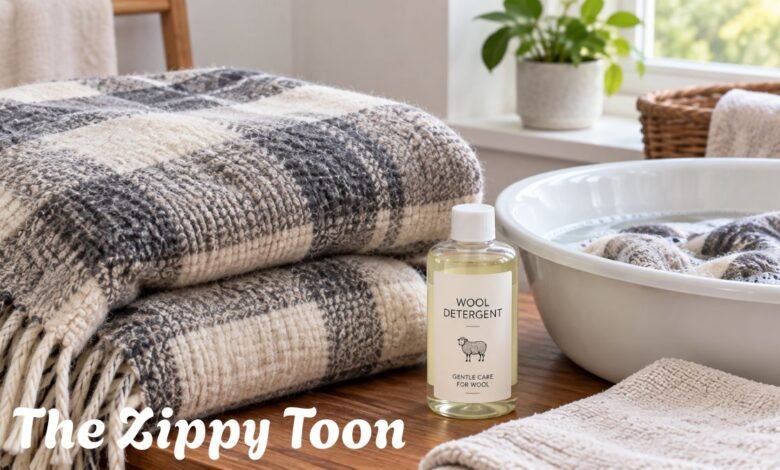
A wool blanket can look sturdy enough to survive almost anything, yet one careless laundry cycle may leave it smaller, stiffer, rougher, or misshapen. The problem is not simply “water.” Wool reacts to the combination of moisture, mechanical agitation, unsuitable detergent, and inappropriate heat, so treating it like an ordinary cotton blanket can produce permanent damage.
That makes how to wash a wool blanket properly more important than choosing between hand washing and a washing machine. The first decision is whether to wash the blanket at all. Woolmark recommends checking the care label before wet cleaning. At the same time, manufacturers such as Pendleton warn that some traditional wool blankets are dry-clean-only even though other specially finished wool blankets are washable.
Wool also generally needs less frequent washing than many other bedding materials. Airing, brushing, and prompt spot cleaning can often refresh a blanket without putting the entire textile through a wash cycle.
Bottom line: To wash a wool blanket safely, check its care label first, use cold or lukewarm water, choose a neutral wool-safe detergent, keep agitation extremely gentle, never wring the fabric, and dry it with its weight fully supported. If the label says dry clean only, do not wash it at home.
The Care Label Decides What Happens Next
Before filling a bathtub or pressing the washing-machine button, find the sewn-in care label.
This single step matters because “wool blanket” describes a fiber category, not one universal construction. A blanket may contain pure wool, recycled wool, a wool blend, decorative binding, dyes, brushed fibers, or a shrink-resistant finish. Those differences can change what the manufacturer considers safe.
Woolmark’s care guidance specifically recommends following the product’s washing instructions. At the same time, Pendleton states that its traditional wool blankets should be dry-cleaned and that only designated washable products should be washed at home.
Hand Washing Gives You the Most Control
For a blanket whose label allows hand washing, a bathtub or large clean basin gives you direct control over water temperature and movement.
Woolmark recommends lukewarm water around 30°C for hand-washable wool, along with a mild detergent. Its general wool guidance allows roughly a 10-minute soak before careful rinsing.
A Low-Agitation Hand-Wash Method
- Clean the bathtub or basin thoroughly to remove any bleach, household cleaner, or detergent residue.
- Fill it with enough cold to lukewarm water to immerse the blanket comfortably.
- Add a small amount of neutral detergent specifically suitable for wool.
- Lower the blanket into the water rather than forcing it beneath the surface.
- Gently press the water through the fibers with your hands.
- Allow a short soak—around 10 minutes is consistent with Woolmark’s general hand-washing guidance.
- Drain the dirty water without lifting and twisting the saturated blanket.
- Refill with clean water and gently press again until you remove detergent residue.
- Press excess water out carefully.
Do not rub one part of the blanket against another. Do not scrub it against the bath. Most importantly, do not twist the blanket as if wringing out a towel.
Pendleton specifically cautions that excessive agitation can cause wool fibers to interlock in a process known as felting, which cannot be reversed once it occurs.
Machine Washing Is Safe Only When the Blanket Says It Is
The common claim that wool can never enter a washing machine is too broad.
Some wool products are designed for machine washing. Woolmark says machine-washable wool should be washed on a dedicated wool setting or, when that setting isn’t available, a cold-water delicate cycle. Its blanket-specific guidance recommends cold water, a gentle wool cycle, and wool-specific detergent.
The care label still overrides general advice.
For a machine-washable wool blanket:
- Use the wool, hand-wash, or delicate cycle the manufacturer specifies.
- Use cold water unless the label specifies another temperature.
- Use a small amount of mild, neutral wool detergent.
- Keep mechanical agitation low.
- Wash the blanket separately or with very few compatible items.
- Make sure the blanket fits comfortably in the washer rather than being tightly compressed.
A large wet blanket becomes heavy. If it barely fits in the drum when dry, forcing it into a small household washer is a poor idea, even if the label says machine washable. A larger-capacity machine or professional cleaner may be more appropriate.
Pendleton’s current product-care guidance similarly recommends cold water and a gentle cycle for its machine-washable wool blankets.
Drying Is Where a Good Wash Can Still Go Wrong
A wool blanket can look perfect after washing and still lose its shape during drying.
Wet wool is heavy, so the blanket needs broad support rather than being suspended from one narrow point. Woolmark advises drying wool blankets with their weight supported, away from direct sunlight, and generally avoiding tumble drying because it can affect softness and shape.
After washing:
- Press water from the blanket rather than wringing it.
- If practical, lay it between clean towels and press gently to absorb additional moisture.
- Reshape the blanket to its normal dimensions.
- Spread it across a large drying rack, flat surface, or several supporting lines so the weight is distributed.
- Keep it away from strong direct sunlight and intense heat.
- Allow it to dry fully before folding or storing.
Do not place a typical wool blanket directly over a radiator or heater.
Unless its care label explicitly permits tumble drying, leave the dryer out of the process. Woolmark’s care-symbol guidance notes that items marked “Do Not Tumble Dry” may shrink if placed in a dryer.
Most Blankets Need Freshening More Often Than Washing
A full wash should not automatically be the first response to every odor, speck of dust, or small spill.
Woolmark recommends airing wool blankets outside and shaking them gently to release loose dust. A soft-bristled garment brush can also remove surface soil when brushed along the blanket’s fibers.
Handle Small Spills Before They Become Big Cleaning Jobs
For a fresh liquid spill:
- Blot immediately.
- Do not rub aggressively.
- Use a small amount of water and mild wool detergent where appropriate.
- Work from the outside of the affected area toward the center.
- Remove detergent residue carefully.
- Allow the area to dry naturally.
Woolmark’s blanket-care instructions specifically advise blotting, not scrubbing, when spot-cleaning liquid stains.
For valuable blankets, strong dyes, unknown stains, or older textiles, test any cleaning method on a hidden area first or use a professional cleaner.
Five Mistakes That Cause Most Wool-Blanket Disasters
The most damaging errors usually involve treating wool like ordinary household laundry.
Hot or aggressive washing: Heavy agitation can promote felting, while inappropriate washing can cause permanent changes in size and texture.
Ignoring “dry clean only”: A manufacturer’s instruction applies to that specific textile construction. Pendleton, for example, warns that many of its traditional wool blankets are not designed for washing.
Using strong detergent or bleach: Woolmark recommends neutral mild detergent and advises avoiding bleach and heavy-duty or enzyme-containing detergents.
Wringing the blanket: Twisting a saturated blanket places unnecessary mechanical stress on wet fibers and can distort its shape.
Automatic tumble drying: Unless the label explicitly permits it, heated mechanical drying introduces unnecessary risk. Woolmark’s blanket guidance generally recommends avoiding the dryer for wool blankets.
The Safest Wash Is the One the Blanket Was Built to Handle
Learning how to wash a wool blanket properly comes down to restraint, not aggressive cleaning.
Check the label before anything else. Freshen the blanket by airing it or brushing it when a full wash isn’t necessary. When washing is permitted, keep the water cold or lukewarm, keep movement gentle, and use mild detergent. Support the blanket carefully while drying, and avoid high heat unless the manufacturer specifically permits it.
That approach protects the qualities people buy wool blankets for: softness, structure, warmth, and long service life.
FAQs.
Can you wash a 100% wool blanket at home?
A 100% wool blanket is washable at home only when its care instructions permit home washing. Fiber percentage alone does not determine the correct cleaning method. Some pure-wool blankets are machine washable, some require hand washing, and others are dry-clean-only. Check the sewn-in care label before exposing the blanket to water.
Can you wash a wool blanket in a washing machine?
A machine-washable wool blanket is designed or finished to tolerate a controlled washing-machine cycle. If its label permits machine washing, use cold water, a wool or gentle program, and mild wool detergent. If the label says hand wash, dry clean, or do not wash, do not substitute a machine cycle.
What temperature should you wash a wool blanket at?
A safe wool-washing temperature is the temperature stated on the blanket’s care label. Machine-washable blankets are commonly washed cold, while Woolmark’s general hand-washing guidance uses lukewarm water at approximately 30°C. Don’t assume hotter water will clean better; follow the manufacturer’s specific temperature instructions.
What detergent should you use for a wool blanket?
Use a wool detergent, a mild, relatively neutral cleaning product formulated for wool fibers. Woolmark recommends mild neutral detergent and advises against heavy-duty detergents, bleach-containing products, and biological detergents containing enzymes. Use only the amount directed on the detergent packaging rather than adding extra soap for a large blanket.
Can you put a wool blanket in the dryer?
A dryer-safe wool blanket is one whose own care label specifically allows tumble drying. Don’t assume every washable wool blanket can be tumble dried. Woolmark’s blanket guidance generally recommends avoiding the dryer, while some specially manufactured washable blankets may have different instructions. Follow the label rather than a universal rule.
Editorial Disclaimer
Care requirements vary by blanket construction, wool treatment, dye, binding, age, and manufacturer. The instructions printed on the specific blanket’s care label take priority over general cleaning guidance. For antique, handmade, high-value, damaged, or dry-clean-only wool blankets, consult a qualified professional textile cleaner rather than testing an unapproved home-washing method.