Nail Shapes: The Ultimate Guide to Beautiful, Stylish, and Perfectly Shaped Nails

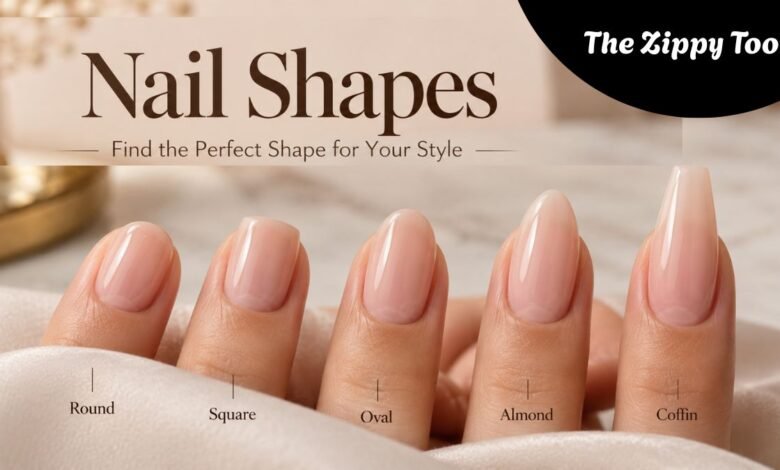
Beautiful nails aren’t just about choosing an attractive polish color or creating an eye-catching design. Nail shape plays an equally important role in defining the appearance of your hands. From elegant almond tips to modern coffin styles, nail shapes can completely transform a manicure, making fingers appear longer, creating a polished appearance, or adding a fashionable touch to everyday beauty routines.
Choosing the right shape can feel confusing because there are so many options. Some styles suit short natural nails, while others require additional length or artificial extensions. Factors such as finger proportions, nail-bed width, personal preferences, and daily activities can all influence which design feels comfortable and looks attractive. Understanding these differences makes it easier to choose a style that complements your hands without sacrificing practicality.
This article explores the most popular nail shapes, explains their distinctive characteristics, and offers practical advice for selecting, maintaining, and styling nails for different occasions.
What Are Nail Shapes and Why Do They Matter?
Nail shapes refer to the different ways you file or design the free edge and sides of your fingernails. Although the differences may seem small at first, the finished shape affects a manicure’s overall appearance, durability, and maintenance needs. A rounded nail creates a softer look, while a sharply tapered design offers a dramatic, fashion-forward appearance.
The ideal shape depends on more than current beauty trends. Natural nail structure, finger proportions, nail length, and everyday habits also matter. People who regularly type, cook, or work with their hands may prefer shorter, rounded tips, while those who enjoy elaborate nail art might choose longer extensions. The right shape can enhance a manicure while making everyday activities more comfortable.
Round Nails: A Classic Choice for Everyday Elegance
Round nails are among the simplest and most practical manicure styles. Their curved edges follow the natural outline of the fingertip, creating a neat, understated look. This shape works particularly well with short nails because it doesn’t require much length to look balanced.
One of the greatest advantages of round nail shapes is their suitability for busy lifestyles. Smooth edges are less likely to catch on clothing or other objects than sharp corners, although any nail can still break under pressure. People who prefer minimal maintenance often appreciate this design because it is relatively easy to file at home. Round nails also complement neutral shades, transparent polish, and subtle French manicures.
Square Nails: A Bold and Modern Manicure Style
Square nails have straight sides and a flat tip with clearly defined corners. Their structured appearance makes them popular among people who enjoy clean lines and contemporary nail designs. Square tips are especially striking when combined with glossy polish, geometric patterns, or traditional French manicures.
This shape works on natural nails and artificial extensions, depending on length and strength. However, the sharp corners may catch on fabric or put extra pressure on your hands during daily activities. People who use their hands frequently may need to soften the corners slightly to reduce snagging. Square nails are an attractive option for anyone who prefers a crisp, symmetrical manicure with a fashionable finish.
Oval Nails: Soft, Elegant, and Timeless
Oval nails feature gently tapered sides that lead into a rounded tip. Unlike round nails, which usually follow the fingertip closely, oval designs generally extend beyond the finger, creating a more elongated silhouette. Their graceful appearance makes them a popular choice for both casual and formal occasions.
The oval shape can visually lengthen shorter fingers and soften wider nail beds. It also provides an attractive surface for delicate nail art, soft pink polish, and sophisticated nude shades. Oval nails appeal to people who want a refined manicure without the sharp points of more dramatic shapes. While moderate length helps create the oval effect, you don’t need excessively long natural nails.
Squoval Nails: The Perfect Balance Between Square and Oval
Squoval nails combine the straight edges of square nails with the softened corners of oval designs. The result is a versatile style that offers a structured appearance without the sharply defined corners of a traditional square manicure.
This shape is frequently recommended for people who want attractive nails that remain practical for everyday activities. Its gently rounded corners can reduce snagging, making it suitable for office workers, students, and people who regularly do household tasks. Squoval nail shapes complement many finger proportions and work well at short or medium lengths. They also provide a beautiful foundation for minimalist nail art, French tips, and classic single-color manicures.
Almond Nails: A Sophisticated and Feminine Look
Almond nails are recognized for their slender sides and softly pointed tips, resembling an almond’s outline. This elegant design has become a favorite in modern nail fashion because it creates an elongated, delicate look.
The shape is particularly flattering for people who enjoy the visual effect of longer fingers. However, achieving a defined almond tip usually requires enough nail length to taper the sides gradually. People with short or fragile natural nails may prefer extensions rather than removing too much material from the sides. Almond nails pair beautifully with chrome finishes, subtle glitter, floral artwork, and classic nude colors, making them suitable for weddings, celebrations, and everyday glamour.
Coffin Nails: A Trendy and Eye-Catching Design
Coffin nails, sometimes called ballerina nails, feature long, tapered sides with a flat tip. The distinctive silhouette creates a striking appearance that has become closely associated with contemporary nail fashion and elaborate salon manicures.
Unlike round or squoval designs, coffin nails typically need substantial length to display their characteristic proportions. As a result, they’re commonly created with acrylic, gel, or other artificial nail enhancements. Their extended surface offers plenty of room for intricate patterns, decorative stones, ombré effects, and bold color combinations. Coffin nail shapes are ideal for people who enjoy statement manicures, although their length may require adjustments to certain daily activities.
Stiletto Nails: Dramatic Beauty With a Sharp Finish
Stiletto nails are characterized by their long, dramatically tapered sides and pointed tips. Inspired by the narrow silhouette of stiletto heels, this shape delivers a bold, expressive look that grabs attention immediately.
Because achieving the pointed design requires considerable length and narrowing, stiletto nails are commonly created with professional extensions. Their sharp tips aren’t practical for everyone, especially people who regularly do detailed manual tasks. Nevertheless, they provide an impressive canvas for creative designs, including metallic finishes, gemstones, and artistic patterns. Stiletto nails suit those who prioritize dramatic styling and are comfortable taking extra care to avoid accidental damage.
Ballerina, Lipstick, and Flare Nails: Exploring Unique Styles
Beyond traditional designs, several unconventional shapes offer opportunities for creative expression. Ballerina nails are often another name for coffin nails, though some nail artists use the term for a slightly softer version of the tapered, flat-ended style.
Lipstick nails feature an angled tip resembling the slanted surface of a freshly opened lipstick. Their asymmetrical appearance makes them particularly interesting for experimental manicures. Flare nails, sometimes called duck nails, widen towards the tip rather than tapering inward. This creates an unusual silhouette that works especially well with bold decorative designs.
These shapes prioritize artistic expression over everyday convenience. They can be visually exciting, but their unusual edges or proportions may require additional maintenance and professional guidance.
How to Choose the Best Nail Shape for Your Fingers
Choosing the right nail shape starts with understanding your natural nail beds, finger proportions, and preferred look. People with shorter fingers sometimes choose oval or almond designs because the tapered silhouette can create the illusion of additional length. Those with longer fingers may enjoy square or coffin styles, though no strict rules limit which shape anyone can wear.
For wider nail beds, gently tapered styles can create a more elongated look, while round and squoval options offer a comfortable, balanced appearance. Short nail beds may benefit from designs that do not require excessive filing around the sides.
However, personal comfort should always come before appearance. The best nail shape suits your preferences while letting you do everyday activities without unnecessary difficulty. Experimenting with different styles can help you discover what feels natural and reflects your personality.
Best Nail Shapes for Short and Natural Nails
Short nails can look just as polished and stylish as longer extensions. Several popular designs suit natural nails especially well because they require little extra length. Round, squoval, and short square shapes are generally among the easiest options to maintain.
Round tips offer a soft look, while squoval nails combine neat structure with comfort. Short square designs also work beautifully with modern color combinations and minimalist artwork. A short oval may be possible when there is enough free edge for gentle tapering.
When choosing nail shapes for short nails, avoid excessive filing along the sides, which can weaken the structure and increase the risk of splitting. Keeping nails at a manageable length and moisturizing the surrounding skin can support a tidy, healthy-looking manicure.
How Nail Shapes Influence Different Manicure Designs
Nail shape affects how colors, patterns, and decorative details appear. For example, French manicures look particularly classic on square and squoval tips because the defined edges create a structured finish. Oval and almond nails, meanwhile, complement flowing patterns, soft gradients, and delicate floral artwork.
Long coffin nails provide more space for detailed designs, making them suitable for layered colors, rhinestones, and elaborate artistic effects. Stiletto nails create a striking background for bold metallic shades or dramatic contrasting patterns.
Choosing the right nail art and nail shape can make a manicure look more balanced. A simple design may highlight a dramatic shape, while intricate artwork can add personality to an understated silhouette. Ultimately, attractive nail styling depends on proportion, creativity, and individual taste rather than following a single fashion rule.
Essential Tips for Maintaining Healthy Nail Shapes
Maintaining beautiful nails involves more than occasional filing. Consistent care can help reduce breakage, protect the surrounding skin, and preserve the appearance of your chosen manicure. Using a suitable fine-grit nail file and applying gentle, controlled strokes can help achieve a smooth finish without unnecessarily stressing the nail edge.
Regular moisturizing is equally important. Hand cream or cuticle oil can help prevent dryness around the nails, especially in cold weather or after frequent handwashing. Avoid aggressively cutting or pushing back the cuticles because they form part of the protective barrier around the nail.
People who wear artificial extensions should also pay attention to proper application and removal. Pulling off enhancements can damage the natural nail plate, while repeated trauma or excessive filing may weaken nails over time. If you experience pain, swelling, unusual color changes, or persistent separation, seek professional medical advice.
Common Mistakes to Avoid When Shaping Nails
A frequent mistake is choosing a design without considering natural nail strength or daily activities. Extremely long extensions may look appealing in photos, but they can become uncomfortable when you type, clean, or handle small objects. Similarly, aggressively filing natural nails into narrow shapes may weaken their edges.
Another common problem is creating uneven tips by removing too much length from one side. Checking each nail’s symmetry during filing can help maintain a balanced appearance. Using overly rough files on natural nails can also cause splitting or peeling.
Proper nail shaping takes patience, not force. Gradual adjustments, the right tools, and realistic expectations work better than trying to achieve a dramatic transformation in a single filing session.
Conclusion
Choosing the perfect nail shapes is an enjoyable way to express personal style while creating a manicure that complements your hands. From practical round and squoval designs to sophisticated almond tips and dramatic coffin or stiletto styles, each shape offers its own distinctive look and benefits.
The most important consideration is finding a balance between beauty, comfort, and nail care. Understanding your natural nail structure, preferred length, and everyday routine will help you make more suitable decisions. With careful shaping, thoughtful maintenance, and creative styling, beautifully manicured nails can become a simple yet effective part of your personal beauty routine.
(FAQs)
Which nail shape is best for everyday use?
Round and squoval nails are often practical because their smooth edges are easy to maintain and less likely to catch on things. Short versions are especially suitable for people who work with their hands often.
What nail shape makes fingers look longer?
Oval and almond nails can make fingers look longer because their tapered sides draw attention to the tips. The effect depends on individual finger proportions and nail length.
Are almond nails better than square nails?
Neither shape is universally better. Almond nails offer a softer, elongated appearance, while square nails provide a structured, contemporary style. The preferred choice depends on personal taste, natural nail strength, and lifestyle.
Which nail shapes are strongest for natural nails?
Short round and squoval shapes are often practical for natural nails because they minimize sharp corners and generally require less extreme tapering. However, nail strength also depends on your natural nail condition, length, and daily stress.
Can short nails be shaped into coffin nails?
A pronounced coffin shape usually requires more length than most short natural nails provide. Extensions may be necessary to achieve the characteristic tapered sides and flat tip without excessively narrowing the natural nail.