Cristher: The Complete Guide to Its History, Innovative Lighting Solutions, and Modern Design
cristher-lighting-history-products-modern-design

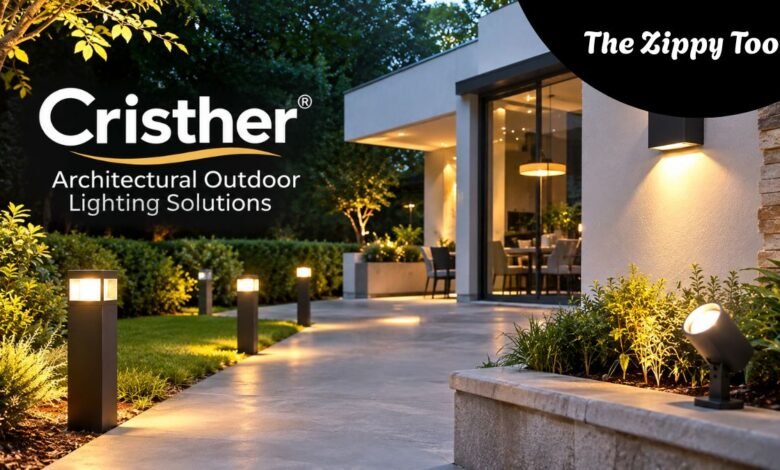
Cristher is a Spanish lighting brand associated with high-quality outdoor illumination, architectural design, and modern lighting technology. Known for combining attractive designs with practical functionality, the brand has developed a recognizable presence in residential and professional lighting projects. From illuminating garden pathways to highlighting impressive architectural features, Cristher products are designed to improve the appearance and usability of exterior environments. With roots dating back to 1981, the brand has evolved alongside changing lighting technologies and customer expectations. Today, it forms part of the broader Novolux Lighting portfolio, which serves customers and lighting professionals across international markets.
This article explores Cristher’s history, product categories, lighting technologies, architectural applications, design philosophy, and practical advantages. It also explains what customers should consider when selecting outdoor lighting and why the brand remains relevant in modern architectural design.
What Is Cristher?
Cristher is a specialist lighting brand that focuses primarily on architectural and residential outdoor lighting solutions. Its products are intended for environments where illumination must deliver both practical visibility and visual appeal. The brand operates within Novolux Lighting, a Spanish lighting group headquartered in the Barcelona area. Unlike companies that concentrate exclusively on conventional household lighting, Cristher focuses on outdoor fixtures that can complement buildings, gardens, terraces, and other exterior spaces. Its product range includes architectural spotlights, recessed luminaires, bollards, wall-mounted lights, and other specialized lighting equipment. These different solutions enable architects, landscape designers, homeowners, and contractors to create lighting arrangements suited to individual projects. The brand’s main purpose is to combine technical lighting performance with thoughtful design, keeping outdoor spaces attractive and functional after sunset.
The History and Development of Cristher
Cristher began in 1981, when the business was established in Spain. Early growth was driven by demand for lighting products that could serve residential and architectural environments while maintaining dependable performance. Over time, the company became part of a larger business structure that brought together different lighting specializations. This development eventually contributed to the creation of the organization known today as Novolux Lighting. The Cristher name remained a distinct product identity, particularly in the architectural outdoor lighting market.
The relationship with Novolux provided access to a wider distribution network, technical resources, and complementary lighting brands. As lighting technology evolved, the product range expanded beyond traditional fixtures to include LED solutions, different optical configurations, and increasingly sophisticated lighting controls. The brand’s development reflects wider changes in the lighting industry, where efficiency, durability, design flexibility, and environmental considerations have become essential purchasing factors. In 2026, Novolux marked 45 years since Cristher’s beginnings, highlighting the brand’s long-running role in the group’s history.
Cristher Lighting Products and Their Main Features
One of Cristher’s most important strengths is its diverse selection of lighting products for different exterior applications. Outdoor lighting requires careful planning because the fixtures must respond to weather conditions, architectural surroundings, and the needs of people using the space. Cristher addresses these requirements through several product categories. Bollard lights are commonly suited to pathways, gardens, and pedestrian areas where low-level illumination improves visibility. Recessed lighting can be integrated into walls, floors, or architectural surfaces to provide discreet illumination without dominating the surrounding design. Spotlights and projectors help emphasize trees, sculptures, building elevations, and landscape details.
Wall-mounted and surface-mounted fixtures serve entrances, passageways, terraces, and building exteriors. Other options can support decorative installations and specialized applications, including certain water-related environments. Each product’s suitability depends on its technical specifications and intended installation location. Rather than choosing fixtures solely by appearance, designers must consider brightness, beam distribution, material construction, mounting requirements, and environmental protection. This approach helps ensure lighting performs effectively while maintaining the space’s architectural character.
The Role of Modern Technology in Cristher Lighting
Modern lighting technology plays a key role in developing Cristher outdoor lighting systems. LED technology has transformed architectural illumination by allowing designers to achieve controlled light distribution with compact fixtures and efficient electrical operation. LED-based products can also provide different color temperatures and optical configurations, helping designers adapt lighting to the atmosphere and purpose of each location. Some Cristher product families offer choices in beam angles, output levels, and light color, while selected fixtures support adjustable positioning or compatible dimming systems.
These technical options are particularly valuable in architectural projects because different environments require different lighting effects. A narrow beam can draw attention to an individual feature, while a wider beam can illuminate a larger area more evenly. Adjustable fixtures provide additional control over light direction. However, technical capabilities vary by model, and customers should always review the relevant product documentation before purchasing. Effective lighting design depends on choosing appropriate specifications rather than assuming every fixture offers identical features.
Why Cristher Is Important in Architectural Lighting
Architectural lighting has become an essential part of modern building and landscape design. A well-planned lighting arrangement can reveal textures, highlight structural features, guide movement, and influence how people experience a space. Cristher operates in this specialized market by supplying fixtures that can be integrated into exterior designs without compromising the intended appearance of the architecture. Rather than simply placing powerful lights around a property, effective lighting involves understanding how brightness, shadows, color, and direction interact with the surrounding environment.
For example, carefully positioned fixtures can highlight a building’s shape while preserving darker areas that add depth to the overall design. Similarly, pathway lighting can improve navigation without flooding an entire garden with unnecessary brightness. Balanced illumination is particularly important in hospitality settings, residential gardens, and public-facing architectural projects, where appearance and usability must work together. Cristher’s relevance lies in offering a range of lighting options that can support these different design objectives.
Cristher Outdoor Lighting for Gardens and Residential Spaces
Outdoor lighting is increasingly regarded as an important element of residential design rather than a purely functional addition. Gardens, terraces, patios, and property entrances can benefit from suitable illumination because outdoor areas often remain in use after daylight hours. Cristher products can support these environments through pathway fixtures, recessed luminaires, wall lights, and adjustable spotlights. Each type serves a different purpose, allowing homeowners to create an arrangement that suits their property.
Garden lighting, for instance, can emphasize attractive plants, highlight landscaping features, and make steps or pathways easier to identify. Entrance lighting may improve visibility around doorways, while terrace lighting can create a comfortable atmosphere for evening activities. Aim for practical illumination without unnecessary glare. Overly bright fixtures may make an outdoor space uncomfortable, while poorly positioned lights can create distracting shadows. A thoughtful combination of fixture types, appropriate brightness, and suitable color temperatures generally produces a more harmonious result.
Durability and Weather Resistance
Outdoor lighting equipment faces environmental conditions that indoor fixtures rarely encounter. Rain, dust, temperature changes, and accidental impacts can affect the appearance and performance of lighting installations. As a result, weather resistance and material durability are essential considerations when evaluating Cristher products. Outdoor luminaires may feature protective enclosures, specialized finishes, and construction materials selected for demanding environments. Many technical product descriptions include an IP rating, which indicates protection against solid particles and water ingress.
Some fixtures also feature an IK rating, which describes resistance to mechanical impacts under standardized testing conditions. These ratings help customers compare products, but they must be interpreted correctly. A fixture suitable for an ordinary garden wall may not necessarily be appropriate for an underwater installation or an especially exposed coastal environment. Buyers should consider the exact operating conditions, installation instructions, maintenance requirements, and technical specifications before selecting any exterior lighting equipment.
Energy Efficiency and Environmental Considerations
Energy efficiency is another important consideration in contemporary lighting design. LED-based lighting can reduce electrical consumption compared with many older lighting technologies when products are selected and operated appropriately. Cristher’s modern range includes LED options that allow lighting professionals to balance illumination requirements with energy use. Well-designed systems can also use dimming and control strategies to avoid unnecessary brightness levels.
Novolux Lighting has publicly emphasized local production and environmental improvement across its broader operations. These objectives are relevant to customers who consider material choices, product longevity, and energy use when planning lighting installations. Nevertheless, evaluate a fixture’s environmental performance based on its actual specifications, operating life, manufacturing information, and maintenance needs. Sustainable lighting design is not simply about choosing an LED product; it also involves preventing wasted light, reducing unnecessary operation, and selecting equipment that remains useful over time.
How Cristher Combines Design and Functionality
A major challenge in architectural lighting is balancing attractive appearance with dependable performance. A visually appealing fixture provides limited value if it produces unsuitable light distribution or cannot withstand its operating environment. Equally, an efficient light source may be inappropriate for a carefully designed space if the fixture disrupts the surrounding architecture. Cristher addresses this intersection by blending technical lighting with contemporary design.
Its product families offer different shapes, finishes, installation methods, and illumination characteristics. These variations help designers select fixtures that complement surrounding materials and architectural styles. Minimalist fixtures may suit contemporary buildings, while discreet recessed products can preserve the visual simplicity of landscaped environments. Functional design also includes maintenance access, proper positioning, reliable electrical installation, and effective light management. Successful projects consider all these factors together rather than prioritizing appearance alone.
How to Choose the Right Cristher Lighting Products
Selecting the appropriate outdoor lighting begins with understanding the intended application. Homeowners and professionals should identify which areas require illumination, how the spaces will be used, and what visual effect they hope to achieve. Pathways generally need comfortable guidance lighting, while architectural features may require directional illumination. Larger outdoor environments can benefit from several fixture types working together, rather than relying on one powerful light source.
Brightness and beam angle matter because they determine how light spreads across a surface. Color temperature can also influence the overall atmosphere, with warmer light often producing a softer appearance and cooler light offering a different visual effect. Other essential considerations include IP protection, material durability, installation compatibility, energy consumption, warranty terms, and maintenance requirements. Product availability and electrical certification should be checked for the country in which the fixture will be installed. Consulting a qualified lighting professional can be particularly valuable for complicated architectural projects or installations requiring specialist electrical work.
Cristher and Its Relationship With Novolux Lighting
Cristher operates as part of Novolux Lighting, a group that offers several specialized lighting ranges. Its wider portfolio includes brands associated with residential outdoor lighting, decorative indoor lighting, and technical illumination. This structure lets different product identities address different project types while benefiting from shared organizational resources. Novolux is headquartered near Barcelona and has an international presence in more than 40 countries through distributors and business partners.
The group’s broader operations include product development, distribution, professional consultation, and lighting-related technical services. For customers evaluating Cristher, this relationship is important because product documentation, support, and distribution may be handled through the wider Novolux organization. Nevertheless, fixture availability depends on the market and distributor. Customers should confirm local stock, installation requirements, and after-sales arrangements before ordering.
Does Cristher Have Another Meaning?
Although Cristher is an established lighting brand, the word also appears as a personal given name and online identifier. This can create confusion when people search for information about it. Some naming websites suggest that the personal name may be related to Christopher or similar traditional names. However, the precise historical origin of the exact spelling Cristher has not been firmly established through widely recognized linguistic references.
The lighting brand and personal-name usage should therefore be understood separately. Someone searching for Cristher products is usually interested in architectural lighting, while another person may be researching a name or an individual who uses it. Understanding the surrounding context is the simplest way to identify which meaning is intended.
The Future of Cristher in Modern Lighting Design
The architectural lighting industry continues to develop as designers place greater emphasis on efficient technologies, flexible illumination, durable materials, and thoughtful environmental integration. These priorities matter to Cristher because exterior lighting must increasingly meet both technical and aesthetic expectations. Lighting professionals are also paying closer attention to unwanted glare, unnecessary light spill, and the relationship between outdoor illumination and surrounding landscapes.
Cristher’s established position within Novolux provides a platform for continued participation in this evolving market. Future product development will depend on the group’s technical decisions and customer requirements, rather than any guaranteed industry outcome. What remains clear is that effective architectural lighting requires more than attractive fixtures. It depends on understanding the space, selecting suitable equipment, and implementing a carefully planned design.
Conclusion
Cristher represents an established name in Spanish architectural and outdoor lighting, combining a history that began in 1981 with a contemporary focus on design and technical performance. As part of Novolux Lighting, the brand provides solutions for gardens, residential exteriors, architectural structures, and other outdoor environments. Its range includes fixture categories that help designers address visibility, visual atmosphere, durability, and energy efficiency.
The most important consideration when evaluating Cristher is selecting lighting based on actual project requirements rather than appearance alone. With proper planning, appropriate technical specifications, and professional installation when needed, Cristher lighting products can create attractive, practical, and well-balanced outdoor spaces.
(FAQs)
1. What is Cristher best known for?
Cristher is best known as a Spanish-origin lighting brand specializing in architectural and outdoor illumination, including pathway lights, spotlights, recessed fixtures, and other exterior lighting solutions.
2. When was Cristher established?
Cristher’s history dates back to 1981 in Spain. The brand subsequently became part of the wider organization now operating as Novolux Lighting.
3. Is Cristher a separate company or part of Novolux?
Cristher is currently a lighting brand within Novolux Lighting, rather than an entirely independent lighting group.
4. Are Cristher lights suitable for outdoor installation?
Yes. The brand offers products designed for outdoor environments. However, suitability depends on the individual model’s weather protection, installation requirements, and technical specifications.
5. What should customers consider before buying Cristher lights?
Customers should examine brightness, beam angle, color temperature, weather resistance, energy efficiency, installation requirements, and local product availability before choosing a fixture.