Pista and Pistachio: Amazing Health Benefits, Nutrition Facts, Uses, and Key Differences

Pista and Pistachio are two familiar names for one of the world’s most loved nuts. Recognized by their beautiful green color, delicate flavor, and satisfying crunch, pistachios have earned a special place in kitchens across Asia, the Middle East, Europe, and North America. Whether enjoyed as a simple snack, sprinkled over desserts, or blended into traditional sweets, these nutritious nuts offer much more than an attractive appearance.
Many people wonder whether pista and Pistachio are different foods or simply two names for the same ingredient. The answer is surprisingly straightforward, but understanding their history, nutritional composition, and culinary significance reveals why they remain so popular. Their combination of plant-based protein, dietary fiber, healthy fats, and essential minerals makes them a valuable addition to a balanced eating routine.
This article explains the difference between pista and Pistachio, their nutritional value, possible health benefits, popular culinary uses, and practical storage tips.
What Are Pista and Pistachio?
Pista and Pistachio refer to the same edible nut. Pista is commonly used in Urdu, Hindi, and several South Asian languages, while Pistachio is the standard English name. Both refer to the edible seed of the pistachio tree, scientifically known as Pistacia vera. Despite the different names, they have no botanical or nutritional distinction.
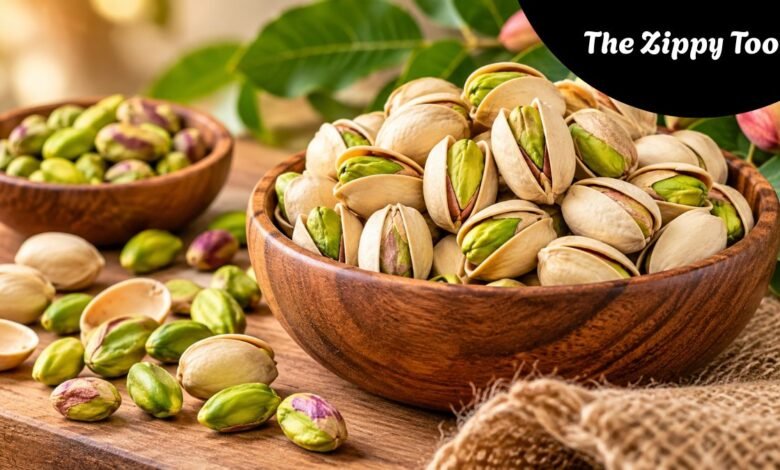
The pistachio tree belongs to the Anacardiaceae family, which also includes cashews and mangoes. Although pistachios are commonly called nuts, botanically they are the seeds of a drupe-like fruit. Each seed develops inside a hard shell that often splits naturally as the fruit matures. Inside this protective shell is the familiar greenish kernel covered by a thin reddish-purple skin.
The difference in terminology mainly reflects language and regional food traditions. In Pakistan and India, people commonly purchase pista for traditional sweets, milk drinks, and festive dishes. In English-speaking markets, the same ingredient is usually advertised as pistachios. Understanding this distinction helps consumers recognize that both names refer to the same nutritious food.
The Fascinating History and Origin of Pistachios
Pistachios have a long history tied to ancient civilizations in Western and Central Asia. The pistachio tree is native to regions that include present-day Iran and parts of Central Asia, where its edible seeds have been appreciated for thousands of years. Over time, cultivation spread through neighboring territories and eventually reached Mediterranean countries.
Historically, pistachios were associated with hospitality, trade, and special occasions. Their appealing flavor and relatively convenient storage made them a valuable part of traditional food cultures. As trade networks expanded, the nuts became increasingly familiar throughout Europe, North Africa, and the Middle East.
Today, several countries cultivate pistachios commercially, including the United States, Iran, and Turkey. Their popularity continues to expand because modern consumers appreciate foods that combine taste, convenience, and nutritional value.
Nutritional Value of Pistachios
One of the main reasons for pistachios’ popularity is their impressive nutritional profile. They supply several nutrients in a comparatively small serving, making them a convenient option for people seeking satisfying snacks.
A typical 28-gram serving of dry-roasted, unsalted pistachios provides approximately 160 calories, 6 grams of protein, 13 grams of fat, 8 grams of carbohydrates, and 3 grams of dietary fiber. Exact amounts vary slightly by variety and processing method.
Much of their fat comes from monounsaturated and polyunsaturated fatty acids, which are generally preferred over excessive saturated fat. Pistachios also contain potassium, phosphorus, magnesium, copper, vitamin B6, and other micronutrients involved in normal bodily functions.
Another interesting feature is the presence of naturally occurring plant compounds, including lutein and zeaxanthin. These pigments contribute to their characteristic appearance and are associated with antioxidant activity. However, pistachios should be seen as one nutritious part of a varied diet, not a replacement for other healthy foods.
Important Health Benefits of Pistachios
Supports Heart Health
Pistachios can contribute to a heart-conscious eating pattern because they contain unsaturated fats, fiber, and plant-based protein. Replacing high-saturated-fat snacks with moderate portions of unsalted nuts may improve overall dietary quality. Their potassium content also supports normal muscle and nerve function and helps regulate blood pressure as part of a balanced diet.
However, eating pistachios alone cannot prevent cardiovascular disease. Their potential benefits depend on the broader dietary pattern, physical activity, and other lifestyle factors. Unsalted pistachios are particularly helpful for people trying to moderate their sodium intake.
Provides Protein and Sustained Energy
The combination of calories, healthy fats, protein, and fiber makes pistachios a satisfying food between meals. Their protein supports the body’s daily needs for tissue maintenance and repair, while their fats provide a concentrated energy source.
For students, working professionals, and active individuals, a measured handful of pistachios can be a convenient alternative to heavily sweetened snack foods. Pairing them with fruit or plain yogurt creates a more balanced snack with a variety of nutrients.
Promotes Digestive Health
Dietary fiber supports normal digestive function and helps maintain regular bowel movements. Pistachios provide a useful amount of fiber alongside other important nutrients, making them a practical addition to fiber-rich eating habits.
A healthy digestive system depends on multiple factors, including hydration and adequate consumption of fruits, vegetables, legumes, and whole grains. Pistachios can support this pattern without requiring unusually large amounts.
Contains Antioxidant Compounds
The natural green and purple shades in pistachio kernels and skins reflect different plant pigments. These include carotenoids and polyphenolic compounds with antioxidant properties.
Antioxidants help protect cells from oxidative damage, but the health effects of any particular food cannot be reduced to a single compound. Including pistachios alongside colorful vegetables and fruits adds dietary variety and a broader range of beneficial plant compounds.
Pista and Pistachio in Traditional and Modern Cooking
Pistachios are exceptionally versatile ingredients because their mildly sweet, nutty taste works well in both desserts and savory recipes. In South Asian cuisine, finely chopped pista frequently appears in kheer, kulfi, barfi, halwa, and festive milk-based desserts. Its natural color and delicate crunch make traditional sweets especially appealing.
Middle Eastern cuisine also uses pistachios extensively in baklava, pastries, filled cookies, and other desserts. In Mediterranean cooking, they may appear in sauces, baked goods, salads, and savory dishes. Their flavor pairs particularly well with honey, cardamom, rosewater, chocolate, citrus, and creamy dairy ingredients.
Modern kitchens have introduced additional uses through pistachio butter, nut-based spreads, flavored beverages, and pistachio cream. Ground pistachios can also coat fish or poultry, while crushed kernels add texture to roasted vegetables and grain dishes.
Although pistachio-flavored products are popular, their nutritional qualities vary considerably. Sweetened Pistachio spread or ice cream may contain substantial added sugar and other ingredients, so it shouldn’t automatically be considered nutritionally equivalent to plain pistachios.
Different Forms of Pistachios Available in Markets
Consumers can purchase pistachios in several forms depending on their intended use. Raw pistachios are generally preferred when a recipe calls for a delicate, natural flavor, while roasted varieties offer a stronger aroma and firmer texture. Salted pistachios are particularly popular as packaged snacks, but their sodium content can be considerably higher.
Shelled pistachios are convenient for baking and cooking because they require no extra preparation. In-shell varieties, meanwhile, are popular for casual snacking and allow people to enjoy the familiar experience of opening each nut.
Pistachio powder, paste, and chopped kernels are frequently used by professional bakers and confectioners. When choosing these products, check the ingredient list because some commercially prepared versions contain added sugar, coloring, or other nuts.
How to Choose Fresh and High-Quality Pistachios
Choosing good-quality pistachios begins with examining their appearance, aroma, and packaging. Fresh nuts should have a pleasant, recognizable nutty smell, not a stale or unpleasant odor. Many naturally mature pistachios have partially open shells, although shell appearance varies.
The kernel typically shows shades of green and yellow, sometimes with a purplish skin. Color alone doesn’t determine freshness or nutritional value, and unusually bright green in a processed product doesn’t necessarily indicate superior quality.
Consumers should choose properly sealed packaging from reliable sellers and check expiration or best-before dates. Nuts showing visible mold, moisture damage, or an unpleasant smell should be discarded. Buying smaller quantities can be useful when pistachios are consumed only occasionally.
Proper Storage to Maintain Freshness
Pistachios contain natural oils that may deteriorate when exposed to excessive heat, air, moisture, and light. Proper storage is therefore important for maintaining their flavor and quality.
For everyday use, store pistachios in an airtight container in a cool, dry place to protect them from humidity and outside odors. Refrigeration is a sensible choice for longer storage, especially in warm climates. Freezing can extend their usable life further when the nuts are packed appropriately.
Shelled nuts generally require particular attention because more of their surface is exposed to the surrounding environment. Regardless of the storage method, don’t eat pistachios that develop a rancid taste, unusual odor, or signs of mold.
Can Pistachios Be Eaten Every Day?
For most people without a relevant allergy, pistachios can be part of a balanced diet. A practical serving is approximately 28 grams, or a small handful of kernels. This amount supplies valuable nutrients without making the portion unnecessarily large.
The right amount depends on individual energy needs and the other foods you eat throughout the day. People managing their calorie intake may find it helpful to portion nuts in advance because their small size makes them easy to eat in large quantities.
Unsalted or lightly seasoned options are generally preferable for routine snacking. Eating pistachios alongside a variety of nutritious foods is more beneficial than relying on them as a single solution for health improvement.
Important Precautions and Possible Side Effects
Despite their nutritional advantages, pistachios are not suitable for everyone. They are classified as a tree nut allergen, and susceptible individuals may experience reactions ranging from mild symptoms to severe anaphylaxis. Pistachio and cashew allergies may also occur together because these nuts contain related proteins.
Anyone with a known pistachio allergy should avoid the food and follow medical advice. People with suspected tree nut allergies should seek professional assessment before experimenting with unfamiliar nuts.
Excessive consumption can also increase total calorie intake, while heavily salted varieties may contribute unnecessary sodium. For young children, whole pistachios can present a choking risk, so age-appropriate preparation and supervision are essential.
Conclusion
Pista and Pistachio may sound like two different foods, but they are simply regional names for the same remarkable nut. Their history, naturally attractive appearance, distinctive flavor, and impressive nutritional profile explain why they remain popular across so many culinary traditions.
With healthy fats, plant-based protein, fiber, vitamins, and minerals, pistachios can contribute meaningfully to a varied, balanced diet. They are equally enjoyable in traditional desserts, savory recipes, and simple everyday snacks.
The best approach is to choose good-quality products, store them carefully, and enjoy reasonable portions. Whether you call them pista or Pistachio, these delicious green kernels offer an enjoyable combination of flavor, versatility, and valuable nutrition.
(FAQs)
1. Are pista and Pistachio the same thing?
Yes. Pista and Pistachio are two names for the same edible seed from the Pistacia vera tree. Pista is commonly used in South Asian languages, whereas Pistachio is the English name. They have no nutritional or botanical differences.
2. What are the main health benefits of eating pistachios?
Pistachios provide healthy unsaturated fats, protein, fiber, potassium, and several vitamins and minerals. They can support a balanced diet, promote digestive health, and offer a nutritious alternative to some highly processed snacks.
3. How many pistachios should a person eat daily?
A small handful of shelled pistachios, approximately 28 grams or around 49 kernels, is a commonly used serving size. Individual needs vary based on total calorie requirements, dietary preferences, and health considerations.
4. Are pistachios good for weight management?
Pistachios can fit into a weight-management eating plan because their protein, fiber, and fat may help you feel full. However, they are calorie-dense, so it’s important to keep portions appropriate.
5. What is the best way to store pistachios at home?
Keep pistachios in an airtight container away from heat, humidity, and direct sunlight. Refrigeration helps keep them fresh longer, especially in hot climates. Discard any nuts showing mold, rancid odors, or other signs of spoilage.