Gessolini: The Fascinating Meaning, Origins, Creative Uses, and Modern Appeal Explained

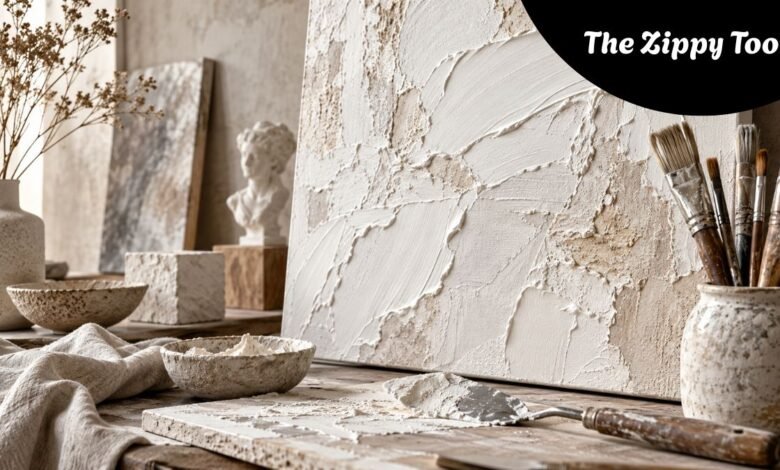
Gessolini is one of those unusual words that immediately creates curiosity. It looks familiar enough to suggest an artistic or Italian connection, yet most people don’t encounter it in everyday conversation. Search for it online, and the situation becomes even more interesting because different websites and discussions may attach different meanings to the name. Some associate it with art and surface preparation, while others use it as a creative expression, brand-style name, or broader design concept. Because no single definition is universally accepted, the most sensible way to understand Gessolini is to separate what can reasonably be explained from what remains interpretation.
The word has an elegant, distinctly Italian sound, and its similarity to gesso matters. Gesso has a long-established place in art, where it is associated with chalk, gypsum, plaster, and specially prepared surfaces used before painting. This linguistic resemblance may explain why Gessolini has increasingly become connected with artistic materials, craftsmanship, decorative design, and other creative subjects. At the same time, readers should avoid assuming that every online description represents a historically documented technique. Understanding the term requires a little more nuance.
What Is Gessolini?
In simple terms, Gessolini is an uncommon, somewhat flexible term whose exact meaning depends on the context in which it is used. It may appear in discussions connected with art, creative materials, decorative surfaces, digital identities, branding, or design concepts. Unlike established artistic words with standardized technical definitions, Gessolini does not appear to have a universally recognized meaning.
This flexibility is actually one reason the term is interesting. A familiar word normally gives readers an immediate idea of what it represents. Gessolini does the opposite. It encourages people to investigate its meaning and examine where they encountered it. Someone seeing it beside painting materials may naturally interpret it differently from someone finding Gessolini as the name of a website, creative project, product concept, or online identity.
The safest understanding, therefore, is that context matters considerably. Instead of treating every online explanation as a proven definition, readers should look at how the word is actually being used in a particular situation.
The Possible Linguistic Roots of Gessolini
Connection With the Italian Word Gesso
The most noticeable linguistic clue is the resemblance between Gessolini and gesso. In Italian, gesso can relate to chalk, gypsum, or plaster depending on context. In the visual arts, gesso is widely known as a preparatory coating used to create a suitable surface before painting.
This connection helps explain why so much online discussion surrounding Gessolini focuses on art, texture, craftsmanship, painting, and decorative surfaces. The name seems naturally compatible with these subjects. Even without treating Gessolini as an officially defined art technique, its linguistic character gives it a strong artistic association.
Gesso matters in practice because artists often need a stable, receptive surface before applying paint. Preparation can affect texture, absorption, smoothness, and a piece’s final appearance. That established artistic idea gives the similar-sounding Gessolini an immediate creative character.
Why the Ending Creates Confusion
Italian uses several suffixes that can modify the feeling or scale of words, particularly when referring to smaller or more affectionate forms. This has encouraged some people online to interpret Gessolini loosely as something related to small pieces of chalk or refined forms of gesso.
However, linguistic resemblance should not automatically be treated as proof of a standardized technical definition. Languages contain regional variations, informal expressions, surnames, coined terms, and commercial names. For that reason, it is better to describe this interpretation as a possible linguistic connection rather than an unquestionable historical fact.
Gessolini and the World of Art
Art is perhaps the most natural environment for understanding Gessolini. The association with gesso immediately brings to mind prepared canvases, wooden panels, chalk-like materials, sculpture, decorative plasterwork, and textured surfaces.
Surface Preparation and Creative Work
A properly prepared surface can make a significant difference when creating a painting. Artists may want a surface that is smooth, slightly textured, absorbent, or resistant depending on the medium being used. Traditional and modern preparations can help create that foundation.
When Gessolini is used in an art-related context, it is therefore reasonable to examine whether the writer or seller is using the term to describe something inspired by gesso or chalk-based artistic practices. The important point is to check the actual material specifications rather than relying only on the name.
A product with an artistic-sounding title does not automatically have the same composition or properties as traditional gesso. Anyone planning to use a material on valuable artwork should understand what it contains, how it dries, which surfaces it suits, and whether it is compatible with the intended paint.
Texture and Decorative Possibilities
One reason gesso-like concepts remain attractive is their relationship with texture. A prepared surface does not always need to be perfectly flat. Artists sometimes deliberately create ridges, irregularities, brush marks, or layered effects to add visual depth.
This broader creative idea fits naturally with the modern interpretation of Gessolini. Whether the name is being used for an artistic material, a decorative concept, or simply a creative identity, it evokes qualities such as craftsmanship, tactility, refinement, and attention to detail.
Gessolini in Modern Design
Gessolini’s appeal can extend beyond traditional painting. Modern interior and product design often celebrate natural-looking surfaces, subtle imperfections, neutral finishes, handmade details, and tactile materials. These characteristics can make a gesso-inspired term feel relevant even when it is used outside a conventional artist’s studio.
Minimalism and Natural Texture
Contemporary design frequently balances clean forms with textured surfaces. A room may be minimalist in its furniture but still use plaster-like walls, handmade ceramics, stone, timber, or textured artwork to prevent the space from feeling sterile.
A term such as Gessolini fits comfortably within this aesthetic vocabulary because it suggests softness, artistic preparation, and material depth. That does not mean Gessolini is an officially recognized interior-design movement. Rather, it demonstrates why the word can feel appropriate in creative branding and design-oriented communication.
Craftsmanship Over Mass Production
Another reason unusual artistic names attract attention is the growing appreciation for objects that appear crafted rather than mechanically uniform. Handmade items often display subtle variations that become part of their charm.
Gessolini, as a creative concept, can communicate similar qualities: detail, patience, individuality, and an interest in materials. These associations can make the term attractive for designers, artists, creative businesses, or publishers looking for a distinctive identity.
Why Is Gessolini Appearing Online?
The internet constantly creates, revives, and reshapes words. A term can begin as a surname, website name, username, artistic expression, product label, or coined brand, then appear in search results and prompt readers to ask what it means.
Gessolini benefits from being memorable. It is short enough to remember, has an elegant sound, and resembles an established Italian artistic word. Those qualities can generate search interest even before a fixed definition develops.
Another factor is content repetition. Once several websites begin discussing an unusual keyword, additional pages may repeat or reinterpret earlier descriptions. Over time, readers can encounter confident claims that appear established simply because they have been reproduced many times. Repetition, however, is not verification.
This is especially important when researching uncommon internet terms. A responsible reader should distinguish a documented fact from an attractive story copied across multiple websites.
Is Gessolini a Material, Technique, Brand, or Concept?
The most accurate answer is that it can depend entirely on context. Without knowing where the word appears, assigning a single meaning would be unreliable.
As a Material
If Gessolini appears on packaging or in an art-material description, check the manufacturer’s stated ingredients, intended surfaces, preparation instructions, drying characteristics, and safety information. The actual formulation matters more than assumptions based on the name.
As a Technique
If someone describes Gessolini as a historical artistic or tailoring technique, look for independent historical documentation before accepting the claim. Uncommon terms often acquire elaborate histories online without strong supporting evidence.
As a Brand or Digital Name
Gessolini also works naturally as a brand-style or digital identity because it is distinctive and memorable. In that context, the word may have been selected primarily for its sound and aesthetic appeal rather than because it carries a traditional dictionary definition.
As a Creative Concept
The term can also function more loosely as an idea associated with artistry, refinement, texture, craftsmanship, and Italian-inspired design. This interpretation is broad but explains why the name can appear in different creative environments.
How to Understand Gessolini Correctly
When you encounter an unfamiliar term, don’t accept the first explanation you find. Start by identifying the context. Is Gessolini being presented as a person, company, artistic material, technique, website, product, or creative philosophy?
Next, look for specific evidence. If it is a product, examine its technical details. If it is described as historical, consider whether reliable historical documentation supports that description. If it is being used simply as a modern creative name, you may not need to search for an ancient origin.
This approach prevents a common problem with online information: turning possibilities into facts. Uncertainty does not make a topic less interesting. In the case of Gessolini, the uncertainty is actually part of what makes the term worth exploring.
The Creative Appeal of the Name
Words can become powerful before they acquire rigid definitions. Gessolini has several characteristics that make it effective from a branding and creative perspective. It is visually distinctive, relatively easy to remember, and carries an artistic European tone.
It can suggest elegance, handmade quality, visual creativity, heritage-inspired design, and originality without restricting itself to one specific industry. That flexibility could explain why people encounter the word in different parts of the internet.
For artists and designers, such names can be useful because they create atmosphere. A highly literal name tells audiences exactly what something is, while an abstract name leaves room for storytelling and identity development. Gessolini belongs more naturally to the second category.
Why Accuracy Matters When Discussing Gessolini
Unusual keywords challenge online writers. When reliable information is limited, writers may be tempted to fill the gaps with dramatic history, precise dates, invented founders, undocumented techniques, or exaggerated cultural significance. That may produce an entertaining article, but not a trustworthy one.
A more useful explanation recognizes the limitations of available information. Gessolini has artistic and linguistic associations that can be explored without pretending that every claim surrounding it is fact.
Readers searching the keyword usually want clarity. A balanced explanation is more valuable than creating certainty where none exists.
Conclusion
Gessolini is an intriguing term precisely because its meaning is not completely fixed. Its strong resemblance to the Italian word gesso creates a natural connection with chalk, plaster, artistic preparation, craftsmanship, texture, and design. At the same time, available usage shows why it should not automatically be presented as a universally recognized historical technique or standardized artistic material.
The best way to understand Gessolini is through context. In one situation, it may describe a creative identity; in another, it may appear alongside art or design; elsewhere, it could simply function as a memorable digital or brand-style name. Rather than inventing a rigid definition, recognizing this flexibility gives readers a clearer and more reliable picture.
As online language continues to evolve, Gessolini may acquire a more specific identity in the future. For now, its combination of artistic associations, Italian-inspired character, and modern creative appeal makes it a fascinating example of how unusual words can capture attention and develop new meanings in the digital world.
FAQs
What does Gessolini mean?
Gessolini does not currently have one universally established definition. It is an uncommon term often interpreted through its similarity to the Italian word gesso, which relates to chalk, gypsum, plaster, and artistic surface preparation. Its precise meaning may vary by context.
Is Gessolini the same as gesso?
Not necessarily. Gesso is a well-established artistic term, while Gessolini is much less clearly defined. If Gessolini appears as the name of a particular material or product, check its composition before assuming it performs exactly like standard gesso.
Is Gessolini an Italian word?
The term looks Italian and is commonly linked online with gesso. However, readers should be careful not to treat every proposed translation or historical explanation as authoritative without stronger linguistic documentation.
Is Gessolini used in art?
The term is often discussed in artistic and creative contexts because of its sound and visual similarity to gesso. Its use may relate to painting, surface preparation, decorative design, texture, or creative branding, depending on the context.
Why is Gessolini becoming popular online?
Its unusual spelling, memorable sound, artistic associations, and ambiguity spark curiosity. As more users search for its meaning, more websites and discussions naturally appear around the keyword.
Can Gessolini be used as a brand name?
Its distinctive sound makes it suitable in principle for creative branding, although anyone planning commercial use should separately check relevant trademarks, business registrations, and domain availability in their region.