Telemetryczny: The Powerful Technology Transforming Remote Monitoring and Smart Data Systems

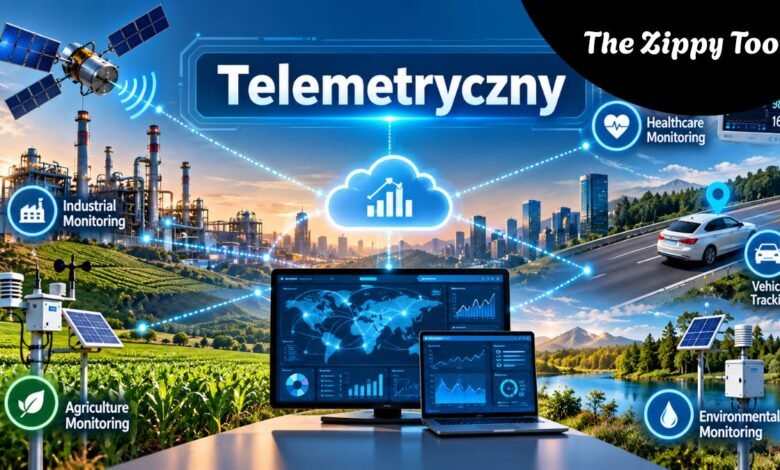
Modern technology has completely changed how businesses, organizations, and individuals collect information and monitor important activities. One technology driving this transformation is telemetry, a concept associated with remote measurement, automated data collection, and intelligent monitoring systems. From healthcare equipment and industrial machinery to connected vehicles and agricultural sensors, telemetry technology lets important information travel from distant locations to centralized monitoring platforms without constant human supervision.
As industries become increasingly dependent on accurate information, telemetry systems are essential for maintaining efficiency, improving safety, and identifying potential problems before they become expensive failures. These systems help organizations understand equipment performance, environmental conditions, and operational activities through continuous or scheduled measurements. Understanding the technology provides valuable insight into how modern digital infrastructure operates and why remote monitoring has become so important.
What Is Telemetryczny?
Telemetryczny is a Polish adjective meaning telemetric or related to telemetry. It describes technologies, devices, processes, and systems that collect measurements and transmit information from one location to another. The underlying technology, telemetry, lets you observe physical conditions or equipment performance without being physically present at the measurement location.
A typical telemetry system combines measuring devices, communication equipment, and software to process the received information. For example, a monitoring device installed inside an industrial machine may measure temperature, pressure, vibration, and energy consumption. Instead of requiring an employee to inspect the machine repeatedly, the system can automatically transmit these measurements to a central dashboard. Engineers can then assess equipment condition, spot unusual changes, and make informed maintenance decisions. This capability makes telemetry particularly valuable in environments where continuous manual monitoring would be difficult, expensive, or potentially dangerous.
How Does Telemetry Technology Work?
Telemetry technology works by gathering information at its source, converting measurements into transferable data, and delivering that information to a receiving platform. Although different industries use specialized equipment, the fundamental process remains largely consistent.
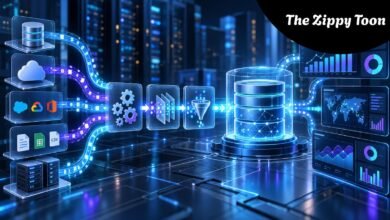
A sensor first measures a particular physical or operational condition, such as temperature, electrical current, movement, or pressure. A local processing unit then converts the measurement into digital information and prepares it for transmission. Depending on the system, the information may travel through cellular networks, radio communication, Wi-Fi, satellite connections, or wired infrastructure. Once received, the data can be stored, analyzed, and displayed through monitoring software.
More advanced systems can also recognize unusual measurements and generate automatic warnings. For instance, if a refrigerated storage facility experiences an unexpected temperature increase, its monitoring platform may notify responsible personnel before stored products become damaged. However, alert speed depends on the equipment, communication network, and configured reporting interval.
Essential Components of a Telemetry System
Sensors and Data Collection Devices
Sensors form the foundation of most telemetry systems because they measure the conditions that organizations need to observe. Different sensors serve different purposes, including monitoring humidity, vibration, temperature, location, electrical consumption, and fluid pressure. Their accuracy and reliability directly affect the usefulness of the data collected. A sophisticated software platform cannot compensate completely for poorly calibrated sensors or incorrectly positioned measuring equipment. For this reason, choosing suitable sensors and maintaining them properly are essential parts of building an effective monitoring solution.
Communication and Data Transmission
The communication component transfers measurements from remote equipment to their intended destination. Organizations choose communication methods based on geographical coverage, energy consumption, available bandwidth, reliability, and operating costs. Cellular connectivity, including technologies designed for connected devices, works well in many geographically distributed applications. Low-power networks such as LoRaWAN can support battery-powered sensors that transmit small amounts of data. Wired connections may be preferable in industrial facilities where stable communication infrastructure already exists. Each method involves practical trade-offs, so the right technology depends on monitoring requirements.
Monitoring Software and Analytics
Once measurements reach a central platform, software transforms raw information into meaningful operational insights. Dashboards may display current conditions, historical trends, equipment status, and warning notifications. Some platforms also offer automated reporting, performance comparisons, and predictive analytics. These capabilities help decision-makers recognize patterns that would be difficult to detect through occasional manual inspections. However, analytics remain dependent on the quality of incoming measurements and the assumptions used to interpret them.
Major Applications of Telemetry Systems
Healthcare and Remote Patient Monitoring
Healthcare is a major application of telemetry technology, especially when medical professionals need to monitor patients without being present continuously. Specialized medical equipment can transmit measurements such as heart rate, cardiac rhythm, oxygen saturation, and other physiological parameters to clinical monitoring stations.
In hospitals, telemetry supports continuous cardiac monitoring and helps staff recognize changes that require attention. Some remote monitoring programs also let selected patients share measurements with healthcare providers from home. These applications may improve access to information and support timely clinical decisions, although they cannot replace professional medical assessment. Healthcare telemetry requires particular attention to measurement accuracy, patient privacy, reliable communication, and appropriate clinical supervision.
Automotive and Fleet Management
The automotive industry increasingly relies on telemetry to understand how vehicles operate under different conditions. Connected monitoring equipment can collect information about vehicle location, fuel consumption, battery performance, engine conditions, and selected driving events. Fleet operators may use this information to coordinate maintenance schedules, identify inefficient routes, and better understand operational costs.
For commercial transport companies, properly configured telemetry systems can support vehicle availability and reduce unnecessary downtime. Electric vehicle technology also benefits from measurements associated with battery condition, charging behavior, and energy consumption. These systems do not automatically guarantee safer driving or lower expenses, but they provide information that can support better operational decisions.
Industrial Manufacturing and Automation
Industrial facilities often operate machinery that must perform reliably for extended periods. Industrial telemetry helps maintenance teams observe equipment conditions while production continues. Sensors attached to motors, pumps, compressors, and other machinery can monitor vibration, temperature, pressure, and electrical characteristics.
When monitored values move outside expected operating ranges, technicians can investigate possible mechanical problems. Historical measurements can also support predictive maintenance, where equipment condition and analytical models help determine when servicing is needed. This approach can reduce unnecessary inspections and identify some faults earlier, although not every equipment failure produces a detectable warning.
Agriculture and Environmental Monitoring
Modern agriculture benefits from telemetry systems that collect data across large farmland areas. Sensors can measure soil moisture, air temperature, humidity, and other environmental conditions. Farmers can use these readings to make more informed irrigation decisions and assess conditions that affect crop development.
Environmental monitoring projects employ similar technologies to observe rainfall, river levels, air quality, and weather-related conditions. Remote data collection is particularly useful when monitoring locations are difficult to access regularly. By sending measurements to centralized systems, telemetry reduces the need for frequent field visits while giving researchers and operators a more consistent record of changing conditions.
Telemetry and the Internet of Things
The relationship between telemetry technology and the Internet of Things (IoT) is especially important. IoT describes networks of connected physical objects that exchange information through communication technologies. Telemetry gives many of these devices a practical way to report measurements, operating conditions, and performance information.
For example, a smart electricity meter can transmit consumption readings to a utility provider without requiring manual collection of every reading. Likewise, connected building systems can monitor indoor temperatures, ventilation performance, and energy consumption. IoT connectivity and telemetry let organizations monitor many distributed devices through coordinated digital platforms. Nevertheless, IoT offers additional capabilities, such as remote control and device management, while telemetry primarily focuses on measurement and information transmission.
Key Benefits of Telemetry Technology
One of telemetry’s greatest advantages is improved operational visibility. Organizations can observe conditions across multiple locations without depending entirely on physical inspections. This continuous or periodic flow of measurements supports faster recognition of unusual conditions and provides a more detailed understanding of equipment performance.
Another important benefit is greater operational efficiency. When maintenance teams receive relevant condition information, they can prioritize inspections based on actual needs rather than relying solely on fixed schedules. Organizations may also discover inefficient energy consumption, recurring equipment problems, or avoidable resource waste. Over time, these insights can improve planning and resource allocation.
Telemetry can also support safety by providing warnings when monitored conditions exceed established limits. In potentially hazardous environments, remote measurement may reduce the need for workers to approach equipment merely to collect readings. The actual benefits, however, depend on reliable equipment, suitable alert settings, and effective responses from responsible personnel.
Challenges and Limitations of Telemetry Systems
Despite its advantages, telemetry technology presents several practical challenges. Communication reliability is a major concern, particularly in remote areas where network coverage may be limited. Interrupted connections can delay measurements, while battery limitations may restrict how frequently certain devices transmit information. Organizations must therefore balance reporting frequency, power consumption, and communication costs.
Data accuracy presents another challenge. Sensors may deteriorate, lose calibration, or produce misleading results when installed incorrectly. Large monitoring networks can also generate substantial amounts of data, making storage management and interpretation increasingly important. Without carefully designed reporting systems, organizations may collect more information than they can use effectively.
Implementation costs deserve consideration as well. Equipment installation, software integration, maintenance, and staff training all contribute to the total cost of ownership. A successful project requires clear operational objectives, not simply collecting data because the technology is available.
Data Security and Privacy in Telemetry Systems
Security plays a critical role wherever telemetry systems handle operational or personal information. Connected devices can create additional exposure points if communication channels, software platforms, or access permissions are poorly protected. When designing monitoring infrastructure, organizations should consider data encryption, secure authentication, software updates, and appropriate access controls.
Privacy matters most when telemetry involves medical information, employee activity, or identifiable vehicle movements. Organizations need clear rules covering what information is collected, why it is necessary, who can access it, and how long it should be retained. Responsible data management helps prevent unnecessary exposure while preserving the practical benefits of remote monitoring.
How to Choose the Right Telemetry Solution
Selecting an appropriate telemetry system starts with understanding which measurements truly matter. An organization should first identify its operational problem, determine the required accuracy, and establish how frequently information must be available. Monitoring an industrial machine every few seconds involves different requirements from checking soil moisture several times a day.
The next consideration is the installation environment. Network availability, physical conditions, device power requirements, and system compatibility influence equipment selection. Scalability is also important because a solution serving a handful of devices may eventually need to accommodate hundreds or thousands.
Organizations should evaluate long-term maintenance needs, security capabilities, data ownership, and dashboard usability. A carefully planned pilot project can reveal technical limitations before a larger deployment. Ultimately, the best system isn’t necessarily the one with the most features, but the one that reliably provides useful information for a clearly defined purpose.
The Future of Telemetry Technology
Telemetry is expected to remain a key part of connected infrastructure as sensors, communication networks, and analytical software continue to develop. Improvements in low-power electronics can make long-term monitoring more practical. At the same time, edge computing lets systems process some information closer to the measurement source rather than transmitting every raw reading to a distant platform.
Artificial intelligence and machine learning can also expand telemetry’s usefulness by identifying patterns across large datasets. For example, analytical models can examine equipment measurements to help estimate maintenance requirements or detect unusual operating behavior. These systems still require appropriate training data, validation, and human oversight.
As organizations modernize their infrastructure, telemetry will increasingly inform decisions on energy management, equipment reliability, environmental monitoring, and operational planning. Its future value will depend not only on collecting more data but also on turning accurate measurements into responsible, actionable insights.
Conclusion
Telemetry technology has become a key part of modern remote monitoring, connecting physical equipment to digital platforms that collect and interpret valuable information. Its applications extend across healthcare, transportation, manufacturing, agriculture, environmental research, and connected infrastructure.
By combining reliable sensors, suitable communication networks, and effective analytical tools, telemetry systems can improve visibility, support safer operations, and help organizations use their resources more efficiently. However, successful implementation requires careful attention to accuracy, cybersecurity, maintenance, and practical operating requirements.
As digital connectivity expands, telemetryczny systems will continue to support smarter monitoring and more informed decision-making. Their greatest contribution lies not simply in transmitting measurements across distances, but in helping people understand changing conditions and respond with greater confidence.
(FAQs)
What does Telemetryczny mean in English?
Telemetryczny is a Polish word meaning telemetric. It describes systems, devices, or activities that measure and transmit information remotely.
Is telemetry the same as remote monitoring?
Telemetry is a key part of many remote monitoring systems, but the concepts aren’t identical. Telemetry focuses on collecting and transmitting measurements, while remote monitoring also includes reviewing and interpreting the received information.
Can telemetry systems operate without the internet?
Yes. Some telemetry systems use private radio connections, dedicated communication networks, or wired links without depending on the public internet. The communication method depends on the system design.
Why is telemetry important for modern businesses?
Telemetry helps businesses monitor equipment conditions, identify operational problems, improve maintenance planning, and make decisions based on recorded measurements rather than relying entirely on occasional inspections.