Importpellet: The Complete Guide to Wood Pellet Imports, Quality, Costs, and Sustainable Energy

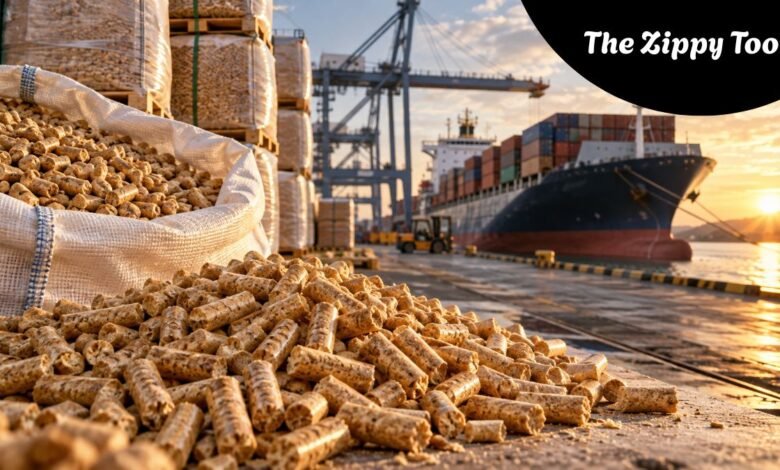
As countries seek reliable energy sources and businesses explore alternatives to conventional fuels, Importpellet has become a key term in discussions of international wood pellet trade. Wood pellets are increasingly used in residential heating systems, commercial boilers, and industrial energy production. Their compact form, relatively consistent fuel properties, and suitability for automated heating equipment make them a key product in the global biomass market. However, importing these materials involves more than simply identifying an overseas supplier and arranging transportation.
The international pellet industry connects manufacturers, forestry businesses, energy producers, distributors, and commercial buyers across different countries. Every shipment involves decisions about product quality, transportation, customs procedures, and environmental responsibility. Understanding these factors is particularly important for businesses entering the market for the first time. This article explores what Importpellet means, the wood pellet import process, quality requirements, economic considerations, and the practical steps to build a reliable supply chain.
What Is Importpellet?
Importpellet refers to importing pellet products, particularly compressed wood pellets used as biomass fuel. Rather than representing a single, universally recognized international certification or trading platform, the term can describe the broader commercial activity of buying pellets from manufacturers or exporters in another country. Its meaning should therefore be understood in context, especially in supplier advertisements or business listings.
Wood pellets are small cylindrical pieces of compressed woody material, commonly manufactured from sawdust, wood shavings, and other suitable forestry or wood-processing residues. During production, producers dry these materials, grind them into fine particles, and compress them under pressure. The resulting pellets are convenient to package, transport, store, and feed into compatible heating equipment. Their popularity has driven the development of international supply networks that serve customers with different fuel requirements and purchase volumes.
Why Wood Pellet Imports Are Important
International wood pellet trading connects regions with established timber-processing industries to countries with strong demand for biomass fuel. Some markets have extensive forestry resources and pellet manufacturing facilities, while others rely on imports because domestic production cannot meet demand economically or consistently.
The United States, Canada, and several European countries are important participants in the international wood pellet industry. Asian markets also contribute to global demand. Pellets are used in various settings, from individual heating systems to large industrial facilities. For businesses, international sourcing can provide access to additional suppliers, different product specifications, and greater purchasing flexibility. However, the advantages depend on freight costs, product suitability, contractual reliability, and the environmental implications of moving biomass across long distances.
How the Importpellet Process Works
Identifying Suitable Pellet Manufacturers
The first stage of a successful wood pellet import process is identifying manufacturers that can supply the required material. Buyers should examine the supplier’s production capacity, operating history, manufacturing methods, product specifications, and ability to fulfil orders within agreed delivery periods. An attractive price does not necessarily mean a supplier is the most reliable, especially when purchasing fuel for continuous commercial operations.
Businesses should request detailed product information, representative samples, and relevant independent testing documents before making substantial commitments. Confirming the supplier’s legal identity and commercial background is equally important. Whenever practical, factory inspections or credible third-party verification can provide additional confidence. These checks reduce the risk of inconsistent pellets, unexpected production delays, or paying for products that do not meet contractual requirements.
Negotiating the Purchase Agreement
After identifying a suitable manufacturer, the next step is to establish clear commercial terms. A proper agreement should describe the pellet grade, quantity, moisture content, acceptable quality tolerances, price, packaging requirements, delivery schedule, and inspection procedures. The parties should also determine how disagreements about damaged goods, rejected shipments, or delayed deliveries will be handled.
International purchases frequently involve trade terms such as FOB (Free on Board) and CIF (Cost, Insurance and Freight). These terms allocate particular transportation responsibilities, costs, and risks between buyers and sellers. Understanding the selected terms helps importers determine their actual financial exposure rather than relying entirely on an advertised product price.
Understanding Wood Pellet Quality Standards
Quality is one of the most important considerations in the international pellet market because different heating systems require different fuel characteristics. A pellet that performs well in a large industrial installation may not suit a smaller household appliance. Consequently, buyers should evaluate measurable specifications instead of relying only on labels such as premium, high quality, or environmentally friendly.
The international standard ISO 17225-2 establishes specifications and quality classes for graded wood pellets. The ENplus certification scheme also provides quality requirements and supply-chain controls for certified pellet products. Within ENplus, the A1 class has stricter ash requirements than A2 and B. For example, the ENplus A1 ash limit is 0.70% on a dry basis, while the A2 limit is 1.20%. Moisture content, mechanical durability, pellet dimensions, and fines are additional characteristics that influence fuel performance. Importers should verify certification claims and confirm that the delivered material corresponds to the agreed grade.
Transportation and International Shipping
Transportation represents a substantial part of the wood pellet import business. Pellets may ship in smaller packaged quantities using containers or in bulk when the purchase volume justifies larger cargo operations. The most suitable method depends on the customer’s storage facilities, available port infrastructure, delivery requirements, and total logistics costs.
Wood pellets must be protected from excessive moisture because water exposure can cause swelling, deterioration, and the loss of their compressed structure. Packaging, loading procedures, and suitable storage conditions therefore deserve careful attention. Importers should coordinate with freight providers experienced in handling biomass materials and ensure that the chosen transportation method satisfies applicable cargo safety requirements. Reliable logistics arrangements can reduce damaged shipments, unexpected delays, and unnecessary handling expenses.
Customs Documentation and Import Requirements
International trade requires accurate documentation, and pellet shipments are no exception. Depending on the destination country and the nature of the transaction, importers may need a commercial invoice, packing list, bill of lading, customs declaration, certificate of origin, and product-specific supporting records. Certain destinations or applications may require additional environmental, technical, or regulatory documentation.
A common mistake is assuming the same import requirements apply everywhere. Customs procedures, tariff classifications, applicable duties, and sustainability obligations can vary between countries. Businesses should confirm the rules for their destination market before arranging shipment. An experienced customs broker can make the process more manageable, especially for companies handling international biomass purchases for the first time.
Factors Affecting Import Pellet Prices
The final cost of imported wood pellets is influenced by several factors beyond the amount charged by the manufacturer. Raw material availability, production expenses, energy prices, international shipping rates, packaging, currency fluctuations, insurance, and customs charges can all affect the overall purchase cost. Seasonal heating demand may also influence pricing and availability in particular markets.
A useful approach is to calculate the landed cost, which represents the total expense of bringing the pellets to the agreed destination, including the relevant purchasing and logistics charges. Businesses should also consider unloading, storage, inland delivery, quality testing, and potential losses from damaged products. Comparing suppliers on landed cost and usable energy delivered can provide a more accurate commercial assessment than selecting the lowest advertised price per tonne.
Environmental Sustainability and Responsible Sourcing
The Role of Biomass in Energy Production
Wood pellets are commonly classified as a biomass fuel because they are produced from organic material. They can provide an alternative to certain fossil fuels in compatible heating and energy systems. However, describing every pellet shipment as environmentally sustainable would be misleading. Its environmental impact depends on how the raw material was obtained, how the pellets were manufactured, how far they traveled, and how the fuel is ultimately used.
Responsible sourcing is especially important when forest-derived materials enter international supply chains. Using genuine wood-processing residues can make productive use of materials that might otherwise have limited commercial value. Nevertheless, consider the wood’s source, forest management practices, and effects on carbon stocks. Biomass combustion releases carbon dioxide, so whether a supply chain delivers meaningful greenhouse gas savings requires a broader assessment rather than assuming automatic carbon neutrality.
Certification and Supply Chain Transparency
Environmental certification and transparent documentation can help importers assess the origin and management of wood resources. Depending on the market and purchasing requirements, buyers may review forest certification, chain-of-custody records, and evidence that meets relevant biomass sustainability criteria. Quality certification and sustainability verification should not be confused, since they address different questions.
Businesses involved in Importpellet transactions can improve accountability by requesting information about feedstock origins, production practices, and applicable environmental requirements. Transparent suppliers are better positioned to explain where their materials come from and how their operations are monitored.
Storage and Safety Considerations
Proper storage is essential to protect wood pellet quality and maintain a safe working environment. Pellets should be kept in facilities designed to prevent unwanted moisture exposure, excessive dust accumulation, and avoidable physical damage. Storage arrangements must also consider fire prevention, equipment maintenance, and appropriate ventilation.
An important but often overlooked concern is that stored wood pellets can release carbon monoxide and reduce oxygen levels in enclosed spaces. This makes poorly ventilated storage rooms, silos, and cargo holds potentially dangerous. Dust can also present a fire or explosion hazard under certain conditions. Businesses should conduct appropriate risk assessments, monitor gas levels, ensure adequate ventilation, and implement trained confined-space entry procedures. Safe storage practices protect workers while reducing disruptions to commercial operations.
Common Challenges in the Wood Pellet Import Industry
Although international sourcing offers commercial opportunities, the market presents several challenges. Inconsistent pellet specifications can create operational problems for heating equipment, while international freight disruptions may affect delivery schedules. Unexpected port charges, currency movements, customs complications, and changing regulatory requirements can also undermine planned purchasing budgets.
Another concern is supplier reliability. Some exporters may struggle to maintain consistent production capacity or fulfill large contractual commitments. Importers that rely entirely on a single manufacturer may face greater difficulties when production is interrupted. Maintaining realistic inventory levels, establishing clear quality procedures, and developing alternative supply arrangements can help businesses manage these risks without relying on unnecessary stockpiling.
How Businesses Can Make Better Import Pellet Decisions
Successful pellet importing begins with understanding the intended application. A distributor serving household customers has different priorities than an industrial facility that needs large quantities of fuel year-round. Before negotiating with suppliers, buyers should determine the appropriate pellet specifications, expected consumption, available storage capacity, and acceptable delivery frequency.
Businesses can then compare suppliers using product consistency, verified quality, supply reliability, total cost, and environmental documentation. Trial orders can help evaluate performance in practice before committing to large volumes. Written agreements, clear inspection arrangements, and realistic delivery schedules make transactions easier to manage. Ultimately, the most dependable supplier is not always the cheapest, but the one that can consistently provide the required material under transparent commercial conditions.
The Future of Importpellet and Global Biomass Trade
The future of international pellet trading will be influenced by energy policy, heating technology, industrial fuel demand, forestry practices, and changing sustainability expectations. Demand may expand in some regions while declining or shifting in others as governments and businesses reassess their energy strategies. International freight conditions and competition for suitable wood resources will also remain important commercial influences.
Improved supply-chain tracking, stronger quality assurance, and more detailed environmental reporting could shape how buyers evaluate imported biomass products. Manufacturers that provide reliable specifications and credible sourcing information may be better placed to serve demanding markets. For importers, flexibility and careful supplier management will remain essential as the industry responds to technological, economic, and regulatory changes.
Conclusion
Importpellet represents an important aspect of the international biomass supply chain, connecting pellet manufacturers with businesses and consumers seeking suitable fuel products. From selecting reliable exporters to understanding quality standards, managing transportation, and evaluating environmental responsibilities, every stage requires careful consideration. The most successful purchasing decisions balance competitive pricing with dependable product performance, transparent sourcing, and practical safety requirements. As international energy markets continue to evolve, businesses that prioritize informed procurement, responsible sourcing, and strong supplier relationships will be better prepared to navigate the opportunities and challenges of global wood pellet trading.
(FAQs)
What does Importpellet mean?
Importpellet generally refers to importing pellet products, particularly wood pellets used for heating and biomass energy. It is not itself a universal quality certification or proof that a particular supplier is reliable.
What are imported wood pellets used for?
Imported wood pellets are commonly used in residential pellet stoves, commercial heating systems, industrial boilers, and certain electricity-generating facilities. The appropriate pellet grade depends on the equipment.
How can buyers check wood pellet quality?
Buyers can examine product specifications, obtain independent laboratory reports, verify applicable certification claims, and compare samples with contractual requirements. Key measures include moisture, ash, durability, and fines.
Are imported wood pellets environmentally friendly?
Their environmental performance depends on feedstock sourcing, forest management, manufacturing energy, transportation, and combustion. Imported biomass should not automatically be described as carbon-neutral or sustainable.