Grace Welch: The Untold Story of Florence Welch’s Younger Sister and the Emotional Song That Changed Everything
Long before Florence Welch turned a private family apology into music, her younger sister Grace had already played an extraordinary role in the singer's life.

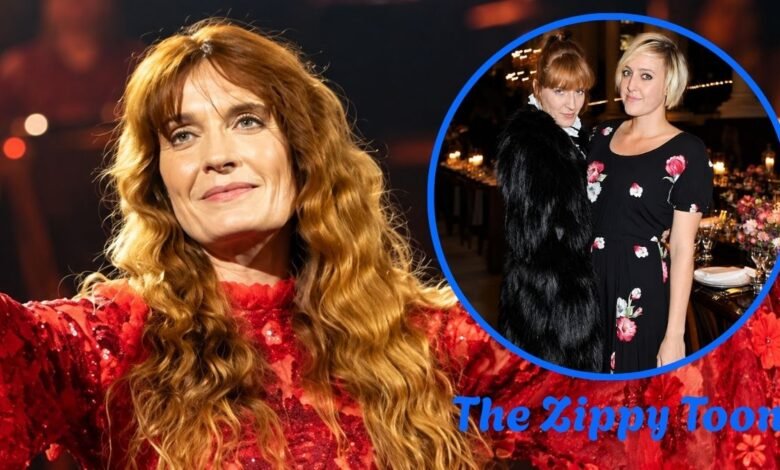
Behind one of Florence + the Machine’s most personal songs is a woman who never sought the same public attention as her famous sister. Grace Welch, the younger sibling of British singer Florence Welch, became the subject of an unusually direct musical apology in 2018. Yet the relationship behind that song stretches back far beyond the album that introduced Grace’s name to millions of listeners.
For years, Florence Welch’s dramatic performances and emotionally charged songwriting captivated audiences. Away from the stage, however, her younger sister witnessed a different side of the musician. Grace often became the dependable presence during Florence’s difficult younger years, a responsibility the singer would later acknowledge with considerable regret.
The release of High as Hope on June 29, 2018, transformed that private history into a public conversation. Eight years later, the song “Grace” remains one of the clearest windows into Florence’s family relationships. It also raises a question music fans still ask: Who is Grace Welch beyond the famous song written about her?
Grace Welch is the younger sister of Florence Welch, the English singer-songwriter who leads Florence + the Machine. She previously worked as her sister’s personal assistant and inspired the 2018 song “Grace,” which addresses their complicated family history, Florence’s past behavior, and her desire to repair their relationship.
Bio Summary
| Year | Documented event | Significance |
|---|---|---|
| 2011 | Florence + the Machine released Ceremonials | Grace was involved in Florence’s life during a period of growing international success |
| February 2012 | The Independent described Grace accompanying Florence during professional activities | Established her practical role in the singer’s career |
| April 2012 | Stylist reported that Grace was leaving her personal assistant position with plans to attend law school | Provided a rare public detail about her professional ambitions |
| June 2018 | Florence discussed Grace and their family relationship with NPR | Revealed their childhood dynamic and Florence’s regrets |
| June 29, 2018 | High as Hope was released | Included “Grace,” the song dedicated to her younger sister |
| July 3, 2018 | Radio X published Florence’s account of playing the song to Grace | Confirmed the personal inspiration and Grace’s emotional reaction |
Grace Welch: The Younger Sister Who Became Florence’s Emotional Anchor
Grace Welch grew up in the same South London family as Florence Welch, and her childhood and teenage experiences would eventually shape much of Florence’s songwriting. Their mother, Evelyn Welch, is an academic specializing in Renaissance and early modern history, while their father, Nick Welch, previously worked in advertising.
Florence and Grace grew up in an intellectually stimulating environment, though the singer has described parts of their upbringing as unsettled. Her success would eventually make the Welch family a subject of public interest, but Grace’s personality was noticeably different from her older sister’s.
In a February 2012 interview with The Independent, journalist Craig McLean said Grace was about three years younger than Florence. At the time, the sisters appeared to have contrasting personalities: Florence was expressive and frequently absorbed in creative activity, while Grace came across as practical and composed.
That difference became particularly important during their childhood.
Florence recalled being frightened by imaginary creatures as a child. Rather than acting like the protective older sister, she sought comfort from Grace, even climbing into her younger sibling’s bed when she felt frightened.
Speaking to NPR in June 2018, Florence explained:
“Grace was always the person who was taking care of everybody.”
The observation revealed a family dynamic that continued into adulthood. As Florence experienced the pressures of musical success alongside personal difficulties, Grace often found herself providing emotional support.
Florence later acknowledged that she regretted not offering her sister the same protection. This admission became central to the story behind “Grace.”
Before the Famous Song: Grace’s Work Alongside Florence + the Machine
Although Grace Welch is usually described through her family connection, contemporary reporting establishes that she once held a professional role in her sister’s career.
In April 2012, Stylist magazine published an interview with Florence that included observations of Grace during a photoshoot. Journalist Debbie McQuoid reported that Grace was working as Florence’s personal assistant and was preparing to leave the position to attend law school.
This detail distinguishes Grace from the image of an entirely unknown celebrity relative. She had practical responsibilities during an important period of Florence + the Machine’s international success.
By then, the band had already released Lungs in 2009 and Ceremonials in 2011. Florence managed touring commitments, media appearances, promotional events, and the growing demands of her public career.
Grace’s presence helped her manage that busy schedule.
The Stylist reported that Grace entertained Florence between photoshoot arrangements, while Florence acknowledged that working with family could sometimes create tension. Nevertheless, she described her younger sister as a close friend and expressed concern that their relationship might change once they stopped working together.
A separate interview published by British GQ in November 2012 also confirmed that Grace accompanied Florence during professional engagements and touring activities.
A Surprising Connection to Beyoncé
One revealing anecdote from the GQ interview involved Beyoncé.
Florence recalled meeting Beyoncé at an event where Grace was also present. Beyoncé greeted Grace by name and appeared familiar with her through previous conversations with Florence.
The episode was small but revealing. Even while moving through international music circles, Florence frequently spoke about her younger sister.
These accounts offer a more grounded picture of Grace Welch: she was not simply a distant family member who later inspired a song, but someone directly involved in Florence’s working life during her early success.
Public sources examined have not reliably established whether Grace subsequently completed law school or pursued a legal profession.
The Real Meaning Behind “Grace” on the 2018 Album High as Hope
The most significant public connection between Grace Welch and Florence + the Machine arrived on June 29, 2018.
That date marked the release of High as Hope, the band’s fourth studio album. Its ten tracks included “Hunger,” “South London Forever,” “Big God,” and “Grace.”
The song “Grace” appears as the sixth track on the album.
Unlike some of Florence’s earlier compositions, which concealed personal experiences beneath dramatic imagery, this recording addresses a specific relationship with unusual directness.
The song begins with an apology for ruining a birthday.
According to Florence’s July 2018 interview with Radio X presenter John Kennedy, the opening refers to incidents involving her younger sister rather than a fictional character.
Florence acknowledged that she had disrupted several of Grace’s birthdays while struggling with her own behavior.
Why Florence Felt She Owed Her Sister an Apology
During her twenties, Florence experienced an increasingly demanding musical career while dealing with problems involving alcohol and drugs. She has spoken openly about how these difficulties affected her personal relationships.
Grace frequently became the person who helped manage the consequences.
The singer later recognized the imbalance between them. Although Florence was older, her circumstances repeatedly forced Grace into the more responsible position.
The song does not simply apologize for individual incidents. It acknowledges Florence’s awareness that her younger sister carried responsibilities she shouldn’t have had to.
In interviews surrounding the album’s release, Florence explained that gaining distance from her earlier behavior allowed her to confront the emotional consequences more directly.
Communication was also a challenge. Florence described her family as uncomfortable with direct expressions of affection, which made it hard to explain her feelings in everyday conversation.
Music became her alternative.
What Happened When Grace First Heard the Song?
Florence revealed the answer during her June 28, 2018, NPR interview with Ari Shapiro.
She admitted she felt nervous about playing the recording to Grace because she couldn’t predict her reaction.
When Grace heard the song, she became emotional and cried.
That response gave the public a rare glimpse of how the younger sister experienced Florence’s apology, although the account comes from Florence rather than a separate interview with Grace.
The moment is central to understanding the recording. “Grace” wasn’t written to be a dramatic album track. It also served as a deeply personal attempt to acknowledge past mistakes and express love.
How Their Relationship Changed as Florence Welch Grew Older
Grace and Florence’s relationship did not remain fixed in the roles established during their childhood.
As Florence began addressing her relationship with alcohol and reassessing the pressures of her career, she also became more conscious of the support her sister had provided.
In her NPR interview, Florence explained that much of the preceding four years involved trying to become a more dependable older sister.
This was not presented as an instant transformation.
Instead, Florence described an ongoing process of taking on more responsibility in her relationships.
Motherhood, Family Responsibilities, and a Different Perspective
Another important change occurred when Grace became a mother.
During a June 2018 interview with The Guardian, Florence discussed spending time with her young niece and being more present in her family’s daily life.
She contrasted their experiences, noting that her own life had centered on building a music career, while Grace had faced the demands of family life.
The sisters followed different paths, but both found that the lives they once imagined were more complicated in reality.
Florence also discussed living near Grace and their mother in London, enabling more regular family contact.
This period offered a different picture from the earlier years when touring, parties, and professional commitments frequently disrupted Florence’s personal relationships.
It would be inaccurate to claim that their relationship became entirely free of difficulties. However, Florence’s public statements clearly demonstrate a conscious effort to become more supportive and emotionally available.
The Private Details That Remain Difficult to Verify
Grace Welch has not maintained a public profile comparable to her sister’s. As a result, many biographical details circulating online lack the independent verification expected of a reliable profile.
Some fan-maintained databases identify her as Grace Ellen Russell Welch and publish specific claims about her birth date, marriage, and children. However, those precise details have not been independently corroborated through the authoritative interviews and reporting examined for this article.
What can be established is that Grace is Florence’s younger sister, previously worked with her professionally, and had become a mother by the time Florence discussed her niece in 2018.
Likewise, claims that Grace worked professionally as a visual artist or exhibited artwork in galleries require stronger documentation before they can be treated as confirmed career achievements.
An unverified claim differs from an incorrect one. A missing public record does not establish that an event never happened; it simply prevents responsible reporting from presenting the claim as fact.
Grace Welch’s Financial Position and Publicly Known Assets
Reliable public financial disclosures do not document Grace Welch’s personal finances.
Although reporting establishes that she previously worked as Florence Welch‘s personal assistant, no verified salary figures, business holdings, property valuations, or independent wealth estimates are available.
Her relationship to a successful recording artist does not establish her personal financial circumstances.
Accordingly, Grace Welch’s net worth remains unverified, and assigning a monetary estimate would be speculative.
Grace Welch’s Lasting Place in Florence Welch’s Music
Grace Welch occupies an unusual position in the public story of Florence + the Machine.
She has been present during important stages of her sister’s career, appeared in contemporary accounts of Florence’s early success, and inspired one of the singer’s most emotionally direct compositions.
Yet Grace’s significance does not depend on celebrity recognition or a public career of her own.
The deeper meaning of “Grace” lies in its acknowledgment that personal success does not erase responsibilities to the people closest to us.
Florence Welch’s account of their relationship reminds us that family members often experience the consequences of fame very differently from the person onstage.
For Florence, the song became an opportunity to express regret and affection. For listeners, it offered a rare look beyond the performances and into the relationships that shaped her music.
Grace Welch may remain largely out of the public eye, but her place in Florence Welch’s personal history and songwriting is well documented.
FAQs
Who is Grace Welch?
Grace Welch is the younger sister of British singer Florence Welch, the lead vocalist of Florence + the Machine. She previously worked as her sister’s personal assistant and became widely associated with the 2018 song “Grace.” Florence has publicly discussed their childhood relationship and the support Grace provided during difficult periods.
Why did Florence Welch write a song about Grace?
Florence Welch wrote “Grace” as an apology and expression of affection for her younger sister. The song addresses occasions when Florence’s behavior negatively affected Grace, including disrupted birthdays. In interviews, Florence explained that she regretted placing adult responsibilities on her younger sister and wanted to acknowledge their complicated history.
Did Grace Welch work for Florence + the Machine?
Yes. Grace Welch worked as Florence Welch’s personal assistant during the early 2010s. A 2012 Stylist interview documented her involvement in a photoshoot and reported that she intended to leave the position for law school. Other contemporary interviews confirmed that Grace accompanied Florence on professional trips and tours.
Is Grace Welch married and does she have children?
Grace Welch is known to have become a mother, as Florence discussed her niece in a 2018 interview with The Guardian. However, specific online claims concerning Grace’s husband’s identity, wedding date, and her child’s full name have not been independently verified through the authoritative sources examined here.
What happened when Grace Welch heard the song dedicated to her?
Grace Welch reportedly cried when Florence first played “Grace” for her. Florence described the emotional reaction in a June 2018 NPR interview. The singer was nervous about her sister’s response because the recording addressed painful memories and expressed feelings that were hard to say directly.
Is Grace Welch a singer or professional artist?
Grace Welch is not established as a recording artist or member of Florence + the Machine. Her documented professional background includes working as Florence’s personal assistant. Although online profiles sometimes describe her as a visual artist, independently verifiable gallery records or professional credits are needed to substantiate those claims.
You might also like:Felix Bonneville: The Surprising Story of Hugh Bonneville’s Son and His Influence Behind the Scenes
Editorial Disclaimer
This profile draws on publicly available interviews and established reporting. Information about Grace Welch’s private relationships, specific personal details, professional activities after 2012, and financial circumstances is included only when sufficiently supported. Unverified claims and online wealth estimates are not presented as facts.