Albumīns: The Essential Protein That Protects Your Health and Reveals Hidden Body Changes

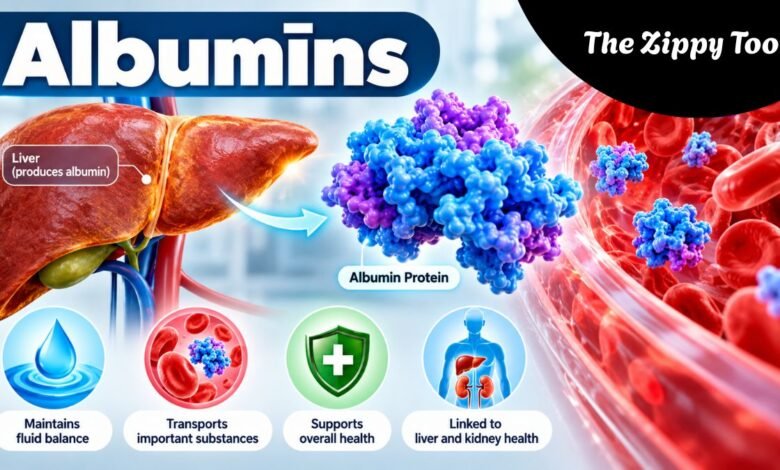
The human body relies on thousands of proteins to support its complex biological functions, but some are especially important for everyday health. Albumīns, commonly known as albumin in English, are one of these essential proteins. Produced primarily by the liver, it plays a major role in maintaining fluid balance, transporting important substances through the bloodstream, and supporting the body’s internal stability. Although many people first encounter the term during a routine blood test, albumin supports several processes that affect overall health.
Understanding this protein matters especially when medical reports show unusually high or low levels. Changes in blood albumin concentrations may be associated with liver disorders, kidney problems, inflammation, nutritional difficulties, or dehydration. However, an abnormal result does not automatically indicate a serious disease. Doctors interpret albumin measurements alongside other lab results, symptoms, and medical history to understand what may be happening in the body.
This article explains the meaning of Albumīns, its biological functions, normal levels, possible abnormalities, medical testing, and ways to support healthy albumin balance.
What Is Albumīns?
Albumīns is the Latvian term for albumin, a water-soluble protein found abundantly in human blood plasma. It is produced by liver cells called hepatocytes and released into circulation, where it performs several important physiological functions. Albumin accounts for a substantial proportion of blood plasma protein, making it one of the most important circulating proteins.
One of its primary responsibilities is maintaining colloid osmotic pressure, sometimes called oncotic pressure. This process helps keep fluid inside blood vessels rather than allowing excessive amounts to move into surrounding tissues. Albumin also acts as a transport protein, carrying substances such as hormones, bilirubin, fatty acids, calcium, and certain medications throughout the body.
Although albumin is also found in other biological materials, including egg whites, medical discussions about albumin levels generally refer to human serum albumin. Its bloodstream concentration provides useful information about several aspects of health, especially when considered alongside other lab measurements.
Why Albumīns Is Important for the Human Body
Albumin performs multiple functions that help the body maintain a stable internal environment. Its importance goes beyond simply providing protein because it influences how fluids and various substances move through circulation.
The most recognized function is fluid regulation. Albumin helps retain water within blood vessels, supporting normal circulation and reducing the tendency for excessive fluid to accumulate in tissues. When albumin levels drop significantly, swelling may develop in the legs, ankles, or other parts of the body, although many other medical conditions can also cause swelling.
Another key role is transporting substances that cannot easily move through the bloodstream on their own. Albumin binds to numerous compounds, helping carry them to tissues where they are needed. This includes certain hormones, fatty acids, and medications. Consequently, changes in albumin concentration can influence the distribution of some drugs, particularly those that bind strongly to proteins.
Albumin also contributes to the body’s antioxidant defenses by binding certain substances and participating in chemical interactions that help limit oxidative damage. Together, these functions explain why maintaining appropriate albumin levels matters for circulatory stability, metabolism, and overall health.
Normal Albumīns Levels in Blood
Healthcare professionals measure albumin through a blood test, usually reported in grams per deciliter (g/dL) or grams per liter (g/L). A commonly cited adult reference range is about 3.4 to 5.4 g/dL, or 34 to 54 g/L. However, normal intervals vary between laboratories because testing methods and reference populations differ.
A result slightly outside the laboratory’s reference interval does not necessarily indicate a dangerous condition. Hydration, inflammation, pregnancy, medications, and underlying health problems can affect albumin concentrations. Doctors therefore examine the actual measurement alongside the patient’s age, medical history, and other relevant findings.
For example, a person with a mildly reduced albumin level might require additional nutritional assessment or laboratory investigation rather than immediate treatment. Similarly, a higher-than-expected result may reflect dehydration rather than increased albumin production. Clinical significance depends on the circumstances, and a single isolated measurement cannot establish a diagnosis.
What Causes Low Albumīns Levels?
Low blood albumin, medically known as hypoalbuminemia, occurs when the circulating concentration falls below the appropriate reference range. Several different processes can contribute to this condition, including reduced production, increased loss, inflammation, or changes in fluid distribution.
Liver disease is an important cause because the liver produces albumin. Advanced liver disorders, including cirrhosis, can reduce the organ’s ability to manufacture sufficient amounts of this protein. However, albumin may remain normal in the early stages of some liver conditions.
Kidney disease can also contribute to low albumin levels. Healthy kidneys normally prevent substantial amounts of albumin from entering urine. When the filtering structures are damaged, larger amounts may escape into the urine, potentially reducing blood albumin concentration.
Other causes include severe infections, chronic inflammation, major burns, and digestive disorders that interfere with nutrient absorption. Inadequate nutrition may contribute, especially with prolonged illness or insufficient dietary intake. Importantly, low albumin does not always reflect inadequate protein intake, because inflammation and other medical factors can lower its concentration even when food intake is reasonable.
Symptoms Associated With Low Albumīns
Symptoms of reduced albumin levels depend largely on the underlying cause and the severity of the abnormality. Mild reductions may produce no noticeable symptoms and might only become apparent during routine medical testing.
When albumin is significantly reduced, some individuals develop edema, swelling caused by excess fluid in body tissues. This swelling may be noticeable around the ankles, feet, legs, or abdomen. Fatigue, muscle weakness, and appetite changes may also occur, although these symptoms are nonspecific and can result from many conditions.
People with advanced liver or kidney disease may experience additional symptoms related to those illnesses. These can include abdominal swelling, changes in urination, or other signs requiring medical evaluation. Because albumin abnormalities are not a diagnosis in themselves, identifying the underlying cause matters more than relying on symptoms alone. New or worsening swelling should be medically assessed, while sudden breathing difficulty requires urgent attention.
What Causes High Albumīns Levels?
High blood albumin is considerably less common as a significant medical finding than low albumin. In many cases, dehydration is the main cause, as it reduces the blood’s fluid component and makes albumin appear more concentrated.
Dehydration can result from inadequate fluid intake, prolonged vomiting, severe diarrhea, excessive sweating, or other causes of substantial fluid loss. A lab report may therefore show increased albumin concentration even though the body has not actually produced an excessive amount of the protein.
Healthcare professionals usually evaluate high albumin results alongside other laboratory measurements and the person’s hydration status. When needed, treatment focuses on correcting the cause of fluid loss rather than directly reducing albumin production. Anyone experiencing persistent vomiting, confusion, dizziness, or signs of severe dehydration should seek medical assessment promptly.
How Is Albumīns Tested?
Albumin testing is relatively straightforward and generally requires a small blood sample collected from a vein. A laboratory analyzes the sample to determine the concentration of albumin circulating in the bloodstream.
The test is frequently included in a comprehensive metabolic panel or a liver function testing panel. Doctors may request it during routine health examinations or when investigating possible liver disease, kidney disorders, chronic illness, or unexplained swelling.
Albumin results are often assessed alongside other measurements, including total protein, bilirubin, liver enzymes, creatinine, and kidney function indicators. Evaluating these results together gives healthcare professionals a more meaningful picture than any single test can provide.
Most albumin blood tests don’t require special preparation when done alone, though fasting may be needed if other blood tests are ordered at the same appointment. Patients should follow their laboratory’s instructions and inform their healthcare professional about medications that might influence test interpretation.
Albumīns in Urine and Kidney Health
Albumin can also be measured in urine, where its presence has a different medical meaning from albumin circulating in the blood. Healthy kidneys restrict albumin from entering urine, so increased urinary albumin may indicate damage to the kidney’s filtering structures.
The urine albumin-to-creatinine ratio (UACR) is commonly used to investigate possible kidney damage. A value above 30 mg/g is generally considered higher than normal and may warrant further evaluation, especially if it remains elevated on repeat testing.
Urinary albumin is particularly important when monitoring people with diabetes, hypertension, or established kidney disease. In some individuals, increased urine albumin appears before noticeable symptoms develop, making testing valuable for early detection.
However, a single elevated result does not necessarily confirm chronic kidney disease. Temporary changes can occur with certain illnesses, strenuous exercise, and other circumstances. Doctors may repeat testing and assess estimated glomerular filtration rate (eGFR) before determining whether a persistent kidney problem exists.
How to Support Healthy Albumīns Levels
Maintaining healthy albumin concentrations means supporting the organs and biological processes that produce, distribute, and conserve this protein. No single diet or supplement reliably corrects every albumin abnormality because its causes vary widely.
A balanced diet containing adequate protein supports normal protein synthesis and overall nutritional health. Foods such as eggs, fish, poultry, dairy products, legumes, nuts, and seeds provide quality protein. However, individual needs differ, and people with certain kidney or liver conditions may need personalized nutritional guidance.
Appropriate hydration also supports normal fluid balance. Regular physical activity, managing chronic illnesses, and following prescribed treatment may support overall metabolic health.
People with diabetes or high blood pressure should follow appropriate medical management because these conditions can affect kidney function over time. Individuals with unexplained low albumin should not assume that simply consuming more protein will resolve the problem. Addressing inflammation, kidney protein loss, liver disease, or digestive disorders may be essential.
Medical Treatments Involving Human Albumin
In certain hospital settings, physicians administer human albumin solution intravenously. This treatment differs from eating protein-rich food because it delivers a concentrated medical preparation directly into the bloodstream.
Albumin infusions are used for specific clinical indications, including some complications of advanced liver cirrhosis. For example, patients undergoing large-volume paracentesis (removal of large amounts of abdominal fluid) may receive albumin to reduce the risk of circulatory complications. Albumin may also be used in selected cases of spontaneous bacterial peritonitis or hepatorenal syndrome under specialist care.
Nevertheless, albumin infusion is not appropriate for everyone with a low laboratory result. Treatment decisions depend on the underlying medical condition, fluid status, and the potential benefits and risks. Intravenous albumin can contribute to fluid overload in susceptible patients, making careful medical supervision necessary.
Conclusion
Albumīns is far more than an ordinary blood protein. It helps maintain fluid balance, carries important substances throughout circulation, and provides valuable information about several aspects of human health. Its concentration can be influenced by liver function, kidney health, inflammation, hydration, and nutritional status.
Understanding the difference between normal, low, and high albumin levels makes medical reports easier to interpret. However, no single albumin measurement tells the complete story. The most effective approach involves evaluating the underlying cause, reviewing related laboratory results, and following appropriate professional medical advice. With informed attention to nutrition, hydration, and chronic disease management, individuals can better support the biological systems responsible for healthy albumin balance.
(FAQs)
1. What is Albumīns in simple terms?
Albumīns is the Latvian name for albumin, an important protein the liver produces. It helps keep fluid inside blood vessels and transports substances such as hormones, fatty acids, and certain medications through the bloodstream.
2. What is the normal Albumīns level in adults?
A commonly used adult reference interval is about 3.4–5.4 g/dL, though the exact normal range depends on the laboratory. Doctors interpret results using the laboratory’s stated reference values and the patient’s medical circumstances.
3. What happens when albumin levels are too low?
Low albumin may cause swelling, especially when levels are significantly reduced. It can also indicate underlying problems involving the liver, kidneys, inflammation, or nutrition. Additional medical testing may be necessary to identify the cause.
4. Can eating more protein increase albumin levels?
Adequate dietary protein supports normal albumin production, especially when poor nutrition contributes to the problem. However, eating more protein may not correct low albumin caused by liver disease, kidney protein loss, or inflammation. Treatment should address the underlying condition.
5. Is a high Albumīns result dangerous?
A mildly elevated result is not necessarily dangerous and often reflects dehydration. However, persistent or unusual laboratory findings should be discussed with a healthcare professional, especially when accompanied by symptoms or other abnormal test results.