Viltnemnda: The Essential Guide to Norway’s Wildlife Management and Its Important Role

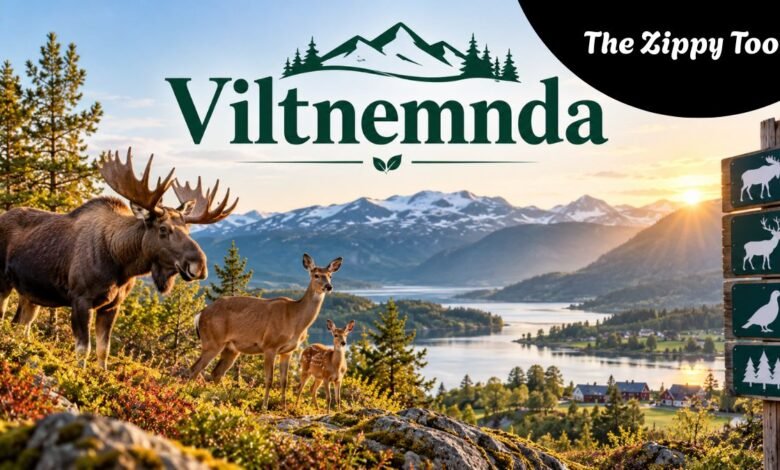
Norway is widely admired for its breathtaking landscapes, extensive forests, dramatic mountains, and remarkable wildlife. From majestic moose wandering through woodland to deer moving across rural valleys, wild animals are an important part of the country’s natural heritage. However, maintaining a healthy relationship between wildlife and human communities requires careful planning, responsible decisions, and effective local management. One traditional institution associated with this responsibility is Viltnemnda, a Norwegian wildlife committee that helps address important questions involving animals, hunting, environmental protection, and public safety.
Wildlife management is not simply about controlling animal populations. It involves understanding natural habitats, protecting ecological relationships, responding to injured animals, and balancing the interests of residents, farmers, hunters, and conservation authorities. Norway has developed a system in which municipalities carry out many key wildlife management duties under national legislation.
This article explains what Viltnemnda means, how it developed, its main responsibilities, and why local wildlife management remains important in modern Norway.
What Is Viltnemnda?
Viltnemnda is a Norwegian term meaning the wildlife committee or the wildlife board. It refers to a municipal body traditionally responsible for handling wildlife management matters within a particular local government area. The word comes from two Norwegian terms: vilt, meaning wildlife or game animals, and nemnd, meaning a committee or board. The ending makes the word definite, referring to a particular committee.
The central purpose of such a committee is to help ensure that wildlife resources are managed responsibly while considering both environmental conditions and human needs. Its responsibilities may involve hunting administration, wildlife population management, decisions concerning certain animal species, and advice on matters affecting natural habitats. However, not every Norwegian municipality currently operates a separate committee under this name. Some municipalities assign these responsibilities to broader political committees, administrative departments, or specialized wildlife personnel.
The History and Development of Viltnemnda in Norway
Viltnemnda’s history reflects Norway’s changing approach to wildlife administration. Between 1952 and 1992, municipalities across Norway had state wildlife committees. Although municipal councils appointed them, these committees formed part of a nationally organized system that provided a local structure for managing wildlife-related responsibilities.
An important administrative change occurred on January 1, 1993, when responsibility for local wildlife management was transferred to municipalities. This gave local authorities greater flexibility in how they organized their wildlife functions. Rather than maintaining one identical committee structure across the entire country, municipalities could develop arrangements suited to their populations, landscapes, and administrative needs.
This historical transition explains why the term still appears in Norwegian public administration, even though the actual organization can differ from one area to another. In some places, traditional committees remain active. Elsewhere, municipal environmental officers and other designated authorities carry out similar responsibilities. The underlying principle has remained consistent: local wildlife decisions should reflect both national requirements and the conditions experienced within individual communities.
Main Responsibilities of Viltnemta
The responsibilities traditionally associated with Viltnemta cover several areas of municipal wildlife management. These can include helping administer hunting arrangements, considering wildlife management plans, reviewing proposals that affect animal habitats, and supporting responses to injured or dead wild animals. The exact duties depend on how a municipality has organized its administrative authority and which responsibilities have been formally delegated to a particular committee.
One practical example is Halden Municipality, which maintains a wildlife and inland fisheries committee. Its published responsibilities include wildlife administration under applicable legislation, consultation on relevant issues, work involving injured or dead wildlife, certain hunting permits, and approval of designated hunting areas. This illustrates how a local committee can combine administrative decisions with broader environmental responsibilities.
Effective wildlife management requires more than reacting to individual incidents. Municipal authorities must also consider changing animal populations, competing land uses, agricultural concerns, and the long-term condition of local ecosystems. A well-organized local management system can better connect these issues to the decisions public authorities make.
How Viltnemnda Supports Responsible Hunting
Hunting has a long history in Norway and remains an established outdoor activity in many rural communities. It can provide food, recreational opportunities, and economic benefits, but hunting must also operate within legal and ecological limits. Local wildlife management therefore plays an important role in ensuring hunting arrangements align with sustainable population management.
For species such as moose, red deer, and roe deer, municipal authorities may be responsible for approved hunting areas, population management plans, and allocating hunting permits. These decisions are guided by relevant regulations and wildlife population data. Hunting statistics, reported observations, and past harvest figures help authorities understand changing conditions.
The aim is not simply to permit the highest possible number of animals to be hunted. Responsible management considers population health, habitat capacity, agricultural damage, road safety, and the long-term sustainability of wildlife resources. The committee or municipal authority must act within the powers established by law and cannot set independent rules without legal authority.
The Role of Viltnemnda in Wildlife Road Accidents
One of Norway’s most recognizable practical wildlife management responsibilities concerns animal-vehicle collisions. Rural roads frequently pass through forests, valleys, and areas where deer and moose move between feeding and resting grounds. These encounters can endanger drivers and cause serious harm to animals.
When a wild animal is struck by a vehicle, the immediate concern is protecting people and preventing unnecessary animal suffering. Norwegian authorities require such collisions to be reported. Drivers should call the police on 02800, provide accurate location information, and follow instructions at the scene. Emergency services should be contacted when there is an immediate danger or a person has been injured.
The police can then notify appropriate municipal wildlife personnel. These specialists may search for an injured animal, assess its condition, and arrange humane action when necessary. In Norwegian, injured or dead wildlife encountered in circumstances such as road accidents is often described as fallvilt. Locating and handling these animals is an important municipal responsibility.
Members of the public should not approach potentially dangerous injured animals or attempt to euthanize them without the necessary authorization. Trained personnel are better equipped to respond safely and humanely.
Wildlife Conservation and Environmental Protection
Protecting wildlife requires attention to the environments in which animals live. Norway’s ecosystems include forests, wetlands, mountain regions, and agricultural landscapes that support different species year-round. Maintaining these habitats is essential for biodiversity and the long-term survival of healthy animal populations.
Local wildlife committees and municipal environmental authorities may support conservation by advising on development proposals, habitat changes, and land-use planning. For example, construction near an important wildlife movement corridor may pose risks that municipal planning should consider. Roads, fences, agricultural expansion, and other changes can influence where animals travel and how successfully they obtain food and shelter.
Biodiversity conservation also depends on understanding that wildlife species interact with one another and their surroundings. Deer populations affect vegetation, while predators and other ecological processes influence broader population dynamics. Local authorities can support conservation by considering scientific information and cooperating with relevant environmental institutions.
However, Viltnemnda does not possess unlimited authority over every conservation issue. Responsibilities are divided among municipal, regional, and national bodies.
Cooperation Between Local Authorities and Wildlife Experts
Wildlife management becomes more effective when public authorities cooperate with people who understand the local environment. Municipal committees may work alongside hunters, landowners, farmers, environmental advisers, wildlife researchers, and specialized tracking teams. Each group can provide information that supports better-informed decisions.
Hunters may report on deer populations, while farmers can report crop or agricultural damage. Landowners understand local access conditions, and environmental professionals can interpret ecological information. When these perspectives are considered together, wildlife management becomes more capable of addressing practical challenges without overlooking broader environmental responsibilities.
Cooperation is especially important when a wildlife issue crosses municipal boundaries. Animals do not follow administrative borders, and populations may move through several municipalities across seasons. Coordinated decisions can therefore help prevent inconsistent management approaches and encourage a more comprehensive understanding of regional wildlife conditions.
Norwegian Wildlife Laws and Regulations
Viltnemnda operates within Norway’s national legal framework, not independently of it. An important recent development was the introduction of the Wildlife Resources Act, known in Norwegian as Viltressursloven. This legislation took effect on July 1, 2026, replacing the Wildlife Act of 1981.
The new legislation governs hunting, trapping, and the killing of wildlife, while largely continuing established principles and clarifying several legal requirements. It is part of a wider system of regulations and public responsibilities intended to support lawful, sustainable wildlife management.
Different authorities have different responsibilities within this system. Municipalities handle specific local wildlife tasks, while national agencies set or administer broader wildlife policy. Regional bodies also have responsibilities relating to certain species and management areas.
For example, a rovviltnemnd is a regional large-predator management board and is not the same institution as a municipal Viltnemnda. Similarly, wild reindeer management involves specialized arrangements. Understanding these distinctions prevents the mistaken assumption that one local committee makes every wildlife-related decision in Norway.
Why Local Wildlife Management Matters to Communities
Local wildlife management matters most in areas where people and wild animals regularly share the same landscape. A moose crossing a rural road, deer feeding near farmland, or an injured animal found beside a highway can all create situations that require a responsible response.
Without organized management, these situations can create confusion about who has the authority to act. Municipal arrangements provide a way to address wildlife concerns, coordinate practical responses, and apply national legislation in a local context.
They also create opportunities to balance different interests. Farmers may be concerned about crop damage, hunters may focus on sustainable access to game, and conservationists may emphasize habitat protection. A functioning public management system considers these interests within the law and seeks decisions that are supported by reliable information.
Animal welfare, public safety, and ecological sustainability are therefore closely connected. Successful local wildlife management recognizes that none of these concerns can be considered completely in isolation.
Challenges Facing Wildlife Management in Norway
Modern wildlife management must respond to environmental and social changes. Expanding transport networks, changing land use, habitat fragmentation, and shifts in animal populations can create new pressures. Climate-related changes may also affect food availability, seasonal movement, and the conditions different wildlife species experience.
These developments require local authorities to make decisions with incomplete or changing information. Population estimates are not always exact, and the effects of management decisions may take years to become apparent. Communities can also have competing priorities, especially where agricultural livelihoods, recreational hunting, and wildlife conservation intersect.
Another challenge involves maintaining adequate expertise and resources. Some municipalities cover large areas with relatively small populations, making it harder to organize specialized wildlife services. Cooperation between authorities and qualified local personnel can help address these practical limitations.
How to Contact Viltnemnda in Norway
Anyone seeking information about a local wildlife committee should start by contacting the relevant Norwegian municipality, or kommune. Municipal websites often list environmental administration, hunting permits, wildlife management, and responsible departments.
If a municipality maintains a formal Viltnemnda, local government records may list its responsibilities and membership. Where no separate committee exists, municipal staff can usually direct residents toward the appropriate wildlife management service.
For an animal-vehicle collision, the appropriate first contact is generally the police rather than an ordinary municipal office. Reporting through the correct channel ensures qualified personnel are notified and injured animals receive an appropriate response.
Conclusion
Viltnemnda represents an important tradition in Norway’s approach to wildlife management. Although its organizational structure has changed over time, local wildlife administration responsibilities remain essential. From supporting responsible hunting and responding to injured animals to considering how development affects wildlife habitats, municipal authorities connect environmental protection with everyday community life.
Norway’s approach also demonstrates why wildlife management cannot rely on national rules alone. Local knowledge, practical experience, and cooperation between public authorities and communities all contribute to better decisions.
As environmental pressures evolve, responsible wildlife management will remain essential for maintaining healthy ecosystems, reducing conflicts, and protecting animal welfare. Understanding Viltnemnda offers a valuable introduction to how Norway balances wildlife conservation, sustainable resource use, and public safety.
(FAQs)
1. What does Viltnemnda mean in English?
Viltnemnda means the wildlife committee or the wildlife board in Norwegian. It traditionally refers to a municipal body responsible for specific local wildlife management matters.
2. Does every municipality in Norway have a Viltnemnda?
No. While state wildlife committees historically existed in every Norwegian municipality, local wildlife responsibilities have been organized differently since 1993. Some municipalities maintain dedicated committees, while others use administrative departments or different arrangements.
3. What are the main duties of Viltnemnda?
Its traditional responsibilities include hunting administration, wildlife population management, consultation on environmental matters, and coordinating responses to injured or dead wildlife. Exact duties vary according to local arrangements and legal authority.
4. What should someone do after hitting a wild animal in Norway?
Report the collision to the police on 02800. The driver should secure the scene, provide location information, and follow police instructions. Authorized wildlife personnel can then be contacted to assess or search for an injured animal.
5. Why is Viltnemnda important for wildlife conservation?
Viltnemnda and other municipal wildlife management arrangements help connect local environmental knowledge with public decisions. Their work can support sustainable hunting, responsible wildlife population management, animal welfare, and better consideration of wildlife habitats.