European Active Projects: A Powerful Engineering Company Driving Marine and Industrial Solutions

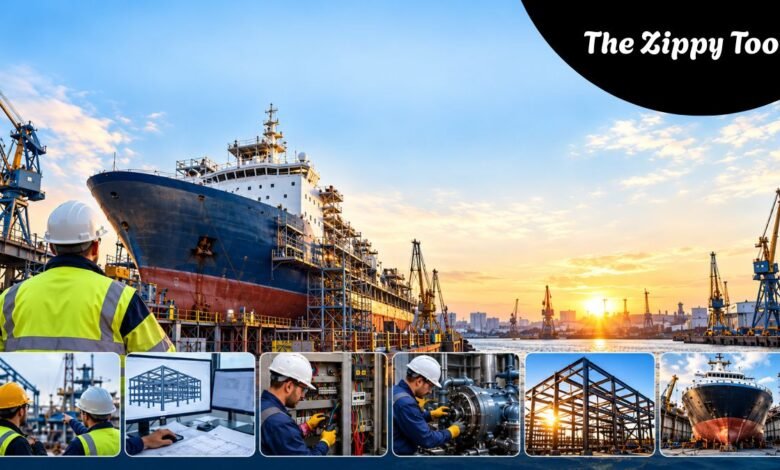
European Active Projects is a name closely connected with engineering, marine services, steel fabrication, industrial support, and specialist project delivery. Often referred to as EAPL, European Active Projects Ltd has developed its operations around practical engineering work that requires skilled people, technical knowledge, careful planning, and the ability to respond to demanding project conditions. Rather than focusing on one narrow area of engineering, the company supports a range of marine and land-based requirements, from vessel fabrication and repairs to structural steel, mechanical engineering, electrical work, design support, and project management. This broad approach is particularly important in industries where customers may need several different skills to complete one complex job. A vessel repair, for example, might involve fabrication, welding, mechanical work, electrical support, inspections, procurement, and installation, making coordinated project delivery an important part of the process. European Active Projects therefore represents a business model built around providing multiple engineering capabilities through one organization.
What Is European Active Projects?
European Active Projects Ltd is a UK-based private company that operates primarily in the marine and industrial engineering sectors. The business was incorporated in 2005 and has developed a presence through facilities and project teams serving different parts of the United Kingdom as well as wider European and international requirements. Its work is largely connected to engineering projects that may require specialist labor, equipment, fabrication facilities, materials, technical coordination, and project management. The company handles fixed-price project work as well as specialist engineering support, allowing customers to obtain services based on the specific scope of a job. This flexibility is important because industrial and marine projects vary considerably in size. Some assignments may involve a small fabricated component or urgent repair. In contrast, others may require teams of specialists to work on major vessels, construction projects, industrial facilities, or structural installations for extended periods.
The History and Development of European Active Projects
European Active Projects was established in 2005, giving the company more than two decades of experience in engineering-related industries. During that period, the business has expanded beyond a single type of technical service and developed operations covering several specialized disciplines. Growth in marine and industrial engineering often depends on maintaining reliable teams, appropriate facilities, quality-controlled fabrication processes, and rapid mobilization capabilities, particularly when customers operate equipment that cannot remain out of service for long periods. EAPL’s expansion into multiple UK locations reflects the practical need to position engineering resources closer to customers and major industrial or maritime areas. Its operations have included locations such as Chatham, Southampton, Peterlee, Hull, Plymouth, Glasgow, Rosyth, and the North East, along with a branch presence in Romania. Teams and workshops in several locations give the company greater flexibility in supporting projects that require fabrication, repairs, installation, ship maintenance, or other engineering assistance.
Marine Fabrication and Ship Repair Services
One of European Active Projects’ strongest areas is marine fabrication and ship repair. Marine engineering presents challenges that differ significantly from ordinary workshop manufacturing because vessels operate in environments where corrosion, mechanical stress, weather exposure, vibration, restricted working spaces, and tight operational schedules must all be considered. Repairs may need to be completed while a vessel is in dock, during a planned maintenance period, or occasionally within a limited emergency window. This makes technical preparation and skilled artistry especially important. EAPL’s marine activities include fabrication and repair work connected with vessels and marine infrastructure. Typical assignments in this field may involve structural steel sections, access platforms, gangways, bulkheads, pipework, lifting equipment, deck structures and damaged components. The company has also worked on projects involving vessel modifications and replacement structures. Effective marine fabrication requires accurate measurements, suitable materials, experienced welders, and careful installation because even small components can serve important operational or safety functions.
Steel Fabrication and Structural Engineering
Steel fabrication is another major part of European Active Projects’ operations. Fabrication involves much more than simply cutting and welding pieces of metal together. A professional steel project can require site measurements, technical drawings, material procurement, cutting, forming, machining, welding, inspection, surface treatment, transportation and final installation. Accuracy is especially important when fabricated structures must connect with existing buildings, machinery, or vessel sections. EAPL handles structural and bespoke steelwork for different applications, including marine, industrial, construction and infrastructure-related requirements. Projects can range from relatively small brackets, railings and support frames to larger structural elements. The company’s ability to combine workshop fabrication with site installation creates a more complete service because the team that makes a component also understands how it will ultimately be positioned and used.
Mechanical Engineering Capabilities
Mechanical systems are essential to ships, factories, processing facilities and numerous other industrial environments. Mechanical engineering services therefore form an important part of European Active Projects’ wider project capabilities. Mechanical work can include equipment installation, repairs, maintenance, component replacement, modification and troubleshooting. Industrial customers often rely on mechanical contractors when machinery requires specialist attention or when internal maintenance teams need additional support. An experienced contractor must not only understand individual machines but also recognize how those machines interact with surrounding systems. A mechanical failure can affect production, transportation, or safety, so rapid diagnosis and effective repair become essential. By combining mechanical expertise with fabrication capabilities, EAPL can handle jobs that require both machinery repair and manufacturing replacement parts, brackets, frames, or supporting components.
Electrical Engineering and Technical Support
Modern ships and industrial facilities depend heavily on electrical systems, making electrical engineering another important discipline within multidisciplinary project work. Electrical projects can involve installing, repairing, inspecting, testing, maintaining, and modifying existing systems. These tasks require technically trained personnel because electrical systems must operate reliably while meeting appropriate standards and safety requirements. European Active Projects provides electrical engineering support for marine and land-based work, enabling the business to coordinate electrical requirements alongside fabrication and mechanical services. This multidisciplinary structure becomes especially valuable during complex upgrades. Instead of a customer arranging separate contractors for every part of a project, several technical requirements can potentially be coordinated within a broader engineering package.
Design Services and Accurate Project Planning
Successful engineering begins long before fabrication or installation starts. Design services help convert an operational requirement into a workable technical solution. Depending on the job, engineers may need to inspect an existing structure, take measurements, prepare drawings, assess access limitations, select suitable materials, and determine how a proposed component will be manufactured and installed. Inaccurate early measurements can cause delays and costly later modifications, which is why careful surveying and technical planning matter. European Active Projects supports design-related work as part of its broader engineering capabilities. Digital surveying and detailed planning can also improve coordination by giving project teams a clearer understanding of existing conditions before ordering materials or starting fabrication.
Project Management and the One-Stop Engineering Approach
One notable characteristic of European Active Projects is its emphasis on offering customers a broader project package rather than an isolated technical service. Large engineering jobs often require multiple stages, including planning, procurement, fabrication, labor management, logistics, installation, inspection and final handover. If each stage is handled by a completely separate organization, communication difficulties can develop, and delays can become more likely. An integrated approach gives a central project team greater visibility over the entire process. EAPL describes its operations as supplying skilled labor, materials, tools, and technical management to meet customer requirements. This one-stop engineering approach can be particularly useful for marine and industrial clients dealing with time-sensitive maintenance, refurbishment or construction work.
Skilled Workforce and Resource Management
Engineering companies depend heavily on people. Machinery and fabrication facilities matter, but they cannot replace skilled welders, fabricators, engineers, electricians, mechanical technicians, supervisors, and project managers. Resource management is therefore central to completing industrial work efficiently. Some projects require large teams only for a limited period, while urgent repairs may require specialists to mobilize at short notice. European Active Projects supports customers through access to engineering personnel who can work across different project environments. Access to appropriately trained workers gives contractors greater flexibility when customers face sudden workload increases, major refurbishment schedules, or specialist requirements that their permanent teams cannot cover entirely.
Why Marine and Industrial Clients Need Companies Like EAPL
Marine and heavy industrial sectors operate under conditions where delays can become expensive. When a vessel, processing line, piece of heavy machinery, or critical structure is unavailable, operational losses may increase quickly. Companies therefore need contractors that can respond efficiently while maintaining quality, safety, and technical accuracy. A multidisciplinary engineering provider can reduce the number of suppliers involved in a project and potentially simplify coordination. European Active Projects’ combination of fabrication, mechanical engineering, electrical work, design and project support reflects this type of demand. Customers may need a contractor that can manufacture a replacement structure in a workshop, transport it to site, install it, and complete associated technical work rather than supplying only one stage of the solution.
The Importance of Safety and Quality in Engineering Projects
Safety is essential throughout marine and industrial engineering. Welding, lifting operations, electrical systems, heavy steel, machinery, confined spaces and working near water can all introduce significant hazards if projects are not carefully controlled. Quality management and safe working practices therefore need to be integrated from the planning stage through to completion. Technical drawings, material specifications, welding procedures, inspections and testing all contribute to creating structures and repairs that perform as intended. For businesses operating in highly demanding environments, good engineering is not simply about finishing quickly; it also involves completing work in a controlled manner that protects workers, customers, equipment and the surrounding site.
European Active Projects and Modern Engineering Demand
Engineering requirements continue to change as industries modernize infrastructure, improve efficiency and adapt existing assets for new operating conditions. Older vessels may require structural refurbishment, industrial plants may need upgraded systems, and construction projects increasingly depend on accurately fabricated steel components. At the same time, customers expect shorter turnaround periods and greater coordination from contractors. European Active Projects operates within this environment by combining traditional engineering skills such as welding and fabrication with project planning, design capabilities, and specialist technical services. This combination helps explain why multidisciplinary contractors remain relevant even as technology changes the way engineering projects are designed and managed.
Future Potential of European Active Projects
The future potential of European Active Projects will largely depend on its ability to maintain technical quality, develop its workforce and respond to changing requirements across marine, construction and industrial markets. Demand for infrastructure maintenance, ship repair, specialized steelwork and engineering upgrades is unlikely to disappear because physical assets require continuous inspection, repair and improvement throughout their operating lives. Marine industries are also undergoing technological and environmental changes, creating new requirements around vessel modification, efficiency and supporting infrastructure. Companies with established fabrication facilities and multidisciplinary engineering teams may therefore continue to find opportunities across both traditional and emerging project areas. Sustainable growth, however, depends on maintaining reliable delivery, strong technical standards and the confidence of long-term customers.
Conclusion
European Active Projects has developed into a multidisciplinary engineering business serving marine, industrial and structural requirements. Since its establishment in 2005, the company has built capabilities covering marine fabrication, steel fabrication, mechanical engineering, electrical engineering, design services, resource management and project support. Its operations demonstrate how modern engineering contractors increasingly need to provide complete solutions rather than isolated services. From urgent vessel repairs and bespoke fabricated components to structural installations and complex technical projects, the company’s broad service model lets it meet different customer needs through coordinated engineering expertise. For anyone researching European Active Projects, the key point is that EAPL is not limited to one form of engineering. Its identity is built around bringing multiple practical disciplines together to deliver projects across demanding marine and industrial environments.
FAQs
What is European Active Projects?
European Active Projects Ltd, commonly known as EAPL, is a UK engineering company that supports the marine and industrial sectors. Its work includes steel and marine fabrication, mechanical engineering, electrical engineering, design and project-related services.
When was European Active Projects established?
European Active Projects Ltd was incorporated in 2005 and has since developed operations serving different engineering sectors and locations.
What services does European Active Projects provide?
The company provides services including marine fabrication, ship-related repairs, structural and steel fabrication, mechanical engineering, electrical engineering, design support, project management and skilled resource support.
Does European Active Projects work only in the marine industry?
No. Although marine engineering is an important part of its operations, European Active Projects also supports industrial, construction, and land-based engineering projects, depending on individual customer requirements.
Where does European Active Projects operate?
European Active Projects operates across several locations in the United Kingdom and maintains a European presence. Its project capabilities can support work beyond its main facilities, depending on customer and project requirements.