Provascin: The Truth About Its Ingredients, Heart Health Benefits, Uses, and Safety

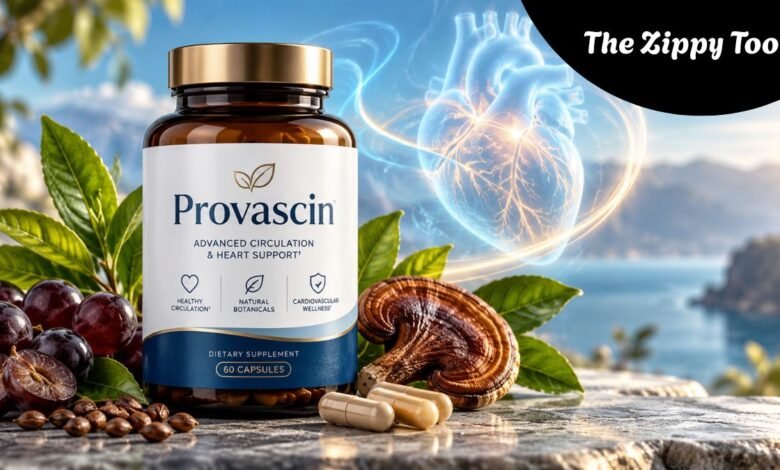
Maintaining a healthy heart is essential for overall well-being, and many people explore nutritional supplements to support their cardiovascular health. One product that has attracted attention is Provascin, a supplement historically associated with circulation, antioxidant protection, and cellular energy production. Its combination of nutritional compounds and plant-derived ingredients made it an interesting option for people researching natural approaches to heart health.
However, understanding what a supplement can realistically accomplish is just as important as knowing what it contains. Although Provascin was marketed for cardiovascular support, its advertised benefits should not be confused with clinically proven medical treatments. This distinction matters especially for people managing high blood pressure, cholesterol issues, or existing heart conditions.
This article explores Provascin ingredients, potential benefits, cardiovascular support claims, safety considerations, and product availability. It also explains the scientific evidence behind its individual components and what consumers should understand before considering similar supplements.
What Is Provascin?
Provascin is a dietary supplement historically marketed by PURICA, a Canadian natural health product company. It was developed as a multi-ingredient formula intended to support cardiovascular wellness, normal energy metabolism, and antioxidant activity. Historical product information describes a combination of nutrients, mushroom material, and botanical extracts selected for their potential roles in cellular and circulatory health.
Unlike prescription cardiovascular medications, Provascin was not established as a pharmaceutical treatment for heart disease. It was intended primarily as nutritional support rather than for the diagnosis, prevention, or treatment of a specific medical condition. Although some online descriptions suggest broader therapeutic benefits, available evidence does not establish that the complete formula can reliably improve cardiovascular outcomes.
The supplement was previously available in capsules, including bottles with 120 and 240 capsules. However, its availability has changed, and some major retailers now identify the original product as discontinued.
Understanding the Main Ingredients in Provascin
The original Provascin formula contained several nutritional compounds with different biological functions; rather than relying on a single ingredient, it combined substances involved in energy production, antioxidant processes, and normal cellular activity.
L-Carnitine and Cellular Energy
L-Carnitine is a naturally occurring compound that helps transport fatty acids into mitochondria, where cells convert nutrients into usable energy. Because the heart requires a continuous supply of energy, researchers have examined carnitine’s possible relationship with cardiovascular function.
Some studies have investigated carnitine supplementation in people with heart-related conditions, but findings have been mixed. The presence of L-carnitine in a supplement does not automatically establish that the finished product improves heart performance or prevents cardiovascular disease.
Coenzyme Q10 and Antioxidant Activity
Coenzyme Q10 (CoQ10) is a substance the body produces naturally. It plays an important role in mitochondrial energy production and helps protect cells from certain forms of oxidative damage. The heart contains substantial amounts of CoQ10 because it has high energy demands.
Researchers have studied CoQ10 in relation to heart failure, blood pressure, and other cardiovascular concerns. Nevertheless, results remain inconsistent or inconclusive for several proposed benefits. Its inclusion in Provascin provides a scientific reason to investigate the formula, but it does not prove that the supplement treats heart disease.
Chaga Mushroom and Plant Antioxidants
Chaga mushroom is a fungus traditionally used in various wellness preparations. It contains biologically active compounds that have attracted research interest because of their potential antioxidant properties.
Historical formulations also included grape seed extract and green tea extract, which contain plant compounds known as polyphenols. These substances are frequently studied for their antioxidant activity. However, laboratory findings and research involving individual plant compounds cannot reliably predict the effects of a combination supplement in humans.
Additional Nutritional Compounds
Provascin also contained alpha-ketoglutaric acid, betaine hydrochloride, and alpha-lipoic acid. Alpha-ketoglutarate participates in cellular energy metabolism, while alpha-lipoic acid supports metabolic processes and antioxidant systems.
Betaine hydrochloride was another component of the formula, although its effects should not be confused with research involving other forms of betaine. Each ingredient has a different biological function, and combining them does not necessarily create additional clinically meaningful benefits.
How Does Provascin Work?
Provascin was designed to provide nutritional substances that support several processes associated with normal cellular and cardiovascular function. Its ingredients were chosen to address different aspects of metabolism rather than act through a single pharmaceutical mechanism.
Supporting Normal Energy Metabolism
The heart constantly contracts to circulate blood throughout the body, making energy production essential. Nutrients such as L-carnitine and CoQ10 support processes that help cells produce and use energy efficiently.
This explains why these compounds attract interest in cardiovascular nutrition. However, their biological importance does not mean that supplementing them will improve heart function in someone who already has adequate levels.
Understanding Antioxidant Protection
Oxidative stress occurs when the body produces reactive molecules faster than it can manage them. These processes are involved in normal biology but can also contribute to tissue damage under certain conditions.
Ingredients such as CoQ10, alpha-lipoic acid, and plant polyphenols have been investigated for antioxidant activity. Although these mechanisms are scientifically relevant, antioxidant activity alone does not prove disease prevention.
Potential Benefits Associated With Provascin
Historical promotional descriptions connected Provascin with several areas of cardiovascular and metabolic wellness. These potential benefits are best understood as marketing claims or areas of scientific interest rather than established clinical outcomes.
Cardiovascular and Circulation Support
Provascin was marketed for heart health and circulatory support. Some ingredients have been independently studied for their possible effects on cardiovascular function, but evidence for the complete formula remains insufficient.
Importantly, there is no reliable basis for assuming that taking Provascin can clear blocked arteries, prevent heart attacks, or reverse established vascular disease. Such conditions require appropriate medical assessment and evidence-based treatment.
Antioxidant and Cellular Support
Another proposed benefit was providing antioxidants that support the body’s normal cellular defense systems. While certain ingredients have recognized antioxidant properties, it remains uncertain whether the historical combination produced measurable health improvements when taken as directed.
Metabolic Health and Physical Performance
Provascin’s original marketing also discussed energy, glucose metabolism, and physical endurance. These claims relate partly to the biological functions of its ingredients.
However, insufficient evidence supports claims that Provascin reliably improves athletic performance, manages diabetes, or produces meaningful weight loss. Individuals seeking these outcomes should prioritize interventions supported by stronger clinical evidence.
What Does Scientific Research Say About Provascin?
The most important question is whether Provascin itself has been demonstrated to produce significant health benefits in controlled human studies.
Available documentation identifies the historical formula and its intended purposes, but robust clinical evidence establishing the effectiveness of the complete Provascin combination is lacking. Research involving individual ingredients should not be treated as proof that the finished supplement delivers the same results.
For example, studies involving L-carnitine have produced mixed cardiovascular findings. CoQ10 has also been investigated for several heart-related conditions, but the evidence does not establish consistent benefits across all outcomes.
Another consideration is dosage. Many studies examine individual nutrients at doses that differ from those in multi-ingredient supplements. A positive result involving a particular amount of one compound cannot automatically be transferred to an entirely different formulation.
Consumers should therefore distinguish between plausible biological mechanisms, historical advertising claims, and benefits demonstrated through high-quality human research.
Possible Side Effects and Safety Considerations
Although Provascin included naturally occurring nutrients and botanical ingredients, natural does not necessarily mean risk-free. Supplements can cause unwanted effects, interact with medication, or be unsuitable for people with particular medical conditions.
Digestive Discomfort and Sensitivity
Some ingredients used in nutritional supplements can cause digestive discomfort, including nausea, stomach upset, or changes in bowel habits. Individual reactions depend on the formulation, amount consumed, medical history, and sensitivity to particular substances.
People with known allergies or sensitivities should carefully examine ingredient labels rather than assuming that a plant-based product will be well tolerated.
Medication Interactions
Certain ingredients deserve special attention. CoQ10 may interfere with the anticoagulant warfarin and may interact with insulin. Green tea extract can also interact with some medications, including certain drugs used for cardiovascular conditions.
People taking blood thinners, blood pressure medication, diabetes medication, or immunosuppressant treatments should seek professional guidance before using a comparable supplement.
Liver and Kidney Health
Concentrated green tea extracts have been associated with uncommon reports of liver injury. People with existing liver conditions should be particularly cautious.
Individuals with kidney disease or other chronic medical conditions may also require additional assessment because the risks of complex supplement formulations can be difficult to predict.
Who Should Avoid Using Provascin Without Medical Advice?
People with existing cardiovascular conditions should not replace prescribed medications with Provascin or any similar supplement. The same principle applies to individuals managing diabetes, kidney disease, liver problems, seizure disorders, or autoimmune conditions.
Pregnant or breastfeeding individuals should also avoid using products of uncertain safety without guidance from a qualified healthcare professional. People preparing for surgery should disclose all supplements they use because certain ingredients may affect medical treatment or interact with prescribed drugs.
Anyone experiencing chest pain, sudden breathing difficulty, fainting, or symptoms suggesting a serious cardiovascular problem should seek urgent medical care rather than attempting to manage those symptoms with supplements.
Is Provascin Still Available?
The original PURICA Provascin product appears to have been discontinued. Historical retailer records confirm it was previously available, while current listings from some established Canadian supplement retailers list it as discontinued or no longer carried.
This matters because older product pages may remain visible long after an item has left the market. A listing showing the name, packaging, or historical price does not necessarily mean genuine, recently manufactured stock is still available.
Anyone encountering Provascin through an unfamiliar seller should verify the manufacturer, packaging, ingredient information, expiry date, and applicable regulatory details. Older bottles should not be used simply because their original packaging appears intact.
Provascin Compared With Other Heart Health Approaches
Nutritional supplements occupy a different place in cardiovascular care than established medical and lifestyle interventions. For most people, maintaining healthy blood pressure, cholesterol levels, and blood glucose involves a combination of daily habits, appropriate screening, and treatment when necessary.
Regular physical activity, balanced nutrition, adequate sleep, smoking avoidance, and appropriate medical care have stronger evidence supporting their roles in cardiovascular health than the historical Provascin formula.
A diet emphasizing vegetables, fruits, whole grains, legumes, and healthy sources of unsaturated fats can support long-term heart health. Similarly, regular exercise supports cardiovascular fitness and overall metabolic function.
Supplements may be appropriate in select circumstances, particularly to address specific nutritional needs, but they should complement, not replace, an evidence-based health plan.
Conclusion
Provascin is a multi-ingredient nutritional supplement designed to support cardiovascular wellness, antioxidant activity, and cellular energy. Its historical formulation combined L-carnitine, CoQ10, Chaga mushroom, alpha-lipoic acid, and several other nutritional compounds that have attracted scientific interest.
However, the distinction between an ingredient’s biological role and a supplement’s proven effectiveness remains essential. While individual components have been studied for various health-related purposes, sufficient clinical evidence has not established Provascin as an effective treatment for cardiovascular disease or related medical conditions.
With the original product apparently discontinued, consumers should also exercise caution when reviewing older listings or unfamiliar sellers. Ultimately, informed decisions, balanced nutrition, healthy daily habits, and appropriate medical care remain the most reliable foundations for protecting long-term cardiovascular health.
FAQs
1. What is Provascin mainly used for?
Provascin was historically marketed as a dietary supplement for cardiovascular wellness, antioxidant support, and normal energy metabolism. Its advertised purposes should not be confused with proven medical benefits.
2. Is Provascin a prescription medicine?
No. The documented PURICA Provascin product was a nutritional supplement, not an established prescription cardiovascular drug. Similarly named products should be identified by their manufacturer and actual ingredients.
3. Can Provascin lower high blood pressure?
Reliable evidence is insufficient to conclude that the complete Provascin formula lowers blood pressure effectively. It should not replace prescribed blood pressure medication or professional medical advice.
4. Does Provascin contain natural ingredients?
The historical formulation included naturally occurring compounds and plant-derived ingredients, including L-carnitine, CoQ10, Chaga mushroom, grape seed extract, and green tea extract. Natural ingredients can still cause side effects or interact with medications.
5. Is Provascin safe for daily use?
Its safety depends on the exact formulation, dosage, individual health conditions, and medication use. Because the original product appears to be discontinued, use old stock or unfamiliar products marketed under the same name with caution.