Clear Braces: Discover the Benefits, Costs, Treatment Process, and Secrets to a Confident Smile

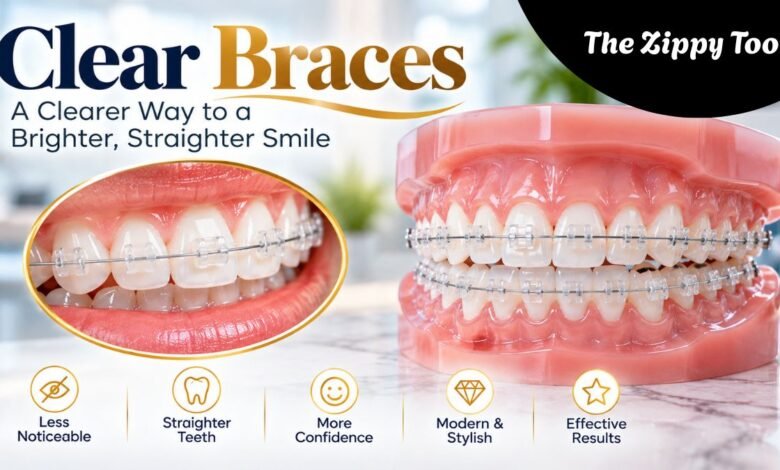
A confident smile can make a meaningful difference in everyday life, whether someone is meeting new people, attending professional events, or simply enjoying conversations with friends. However, crooked teeth, noticeable gaps, and bite problems can sometimes affect how people feel about their appearance. Clear Braces have become an attractive orthodontic option for people who want straighter teeth without the highly visible look of traditional metal braces. By combining modern dental materials with established orthodontic techniques, these appliances offer a more discreet approach to improving dental alignment.
Unlike conventional metal brackets, clear orthodontic braces use transparent or tooth-coloured materials that blend more naturally with the teeth. They appeal particularly to teenagers and adults who want a subtle treatment option while maintaining their usual lifestyle. Beyond improving appearance, orthodontic treatment can also address certain bite problems, make crowded teeth easier to clean, and support long-term oral health. Understanding how these appliances work, their advantages, limitations, and maintenance requirements helps patients make informed decisions before beginning treatment.
What Are Clear Braces?
Clear braces are fixed orthodontic appliances that straighten teeth with brackets and wires that apply controlled pressure over time. Their primary difference from traditional metal braces is their appearance. Instead of prominent metal brackets, they typically use ceramic or other tooth-colored brackets that blend with natural tooth enamel. Some systems also use coated archwires to reduce visibility, although the wires and other components may still be noticeable.
These orthodontic appliances can treat many common alignment problems, including overcrowded teeth, unwanted spaces, overlapping teeth, and certain bite irregularities. They work on the same fundamental principles as conventional fixed braces, gradually guiding teeth into their planned positions. Although their discreet design is a major advantage, they aren’t completely invisible. The exact appearance depends on the materials, your natural tooth shade, and the orthodontic system you choose.
How Do Clear Braces Work?
The treatment process involves attaching small brackets to the front surfaces of the teeth using dental adhesive. An orthodontic wire connects these brackets and delivers gentle, carefully controlled forces that encourage gradual tooth movement. As the teeth respond to these forces, the surrounding bone remodels, allowing them to move into improved positions. Orthodontic tooth movement is a biological process that requires time, monitoring, and precise adjustments rather than sudden changes.
During scheduled appointments, the orthodontist assesses progress and may replace or adjust wires, elastics, or other components. These changes help guide the teeth according to the individual treatment plan. Although some movement may become visible within the first few months, completing treatment usually takes considerably longer. The process is carefully managed to achieve appropriate alignment and bite function while protecting the teeth, gums, and supporting tissues.
Different Types of Clear Braces Available
Ceramic Braces
Ceramic braces are among the most familiar forms of discreet fixed orthodontic treatment. Their brackets are manufactured from ceramic materials that are transparent or closely resemble natural tooth color. They work similarly to traditional metal braces and can address a wide range of orthodontic concerns. Ceramic brackets are popular because they look more subtle while keeping the mechanical advantages of fixed appliances. However, they can be more fragile than metal brackets, and some designs are slightly bulkier. This means patients must pay attention to their eating habits and avoid activities that might damage the appliances.
Self-Ligating Ceramic Braces
Self-ligating ceramic systems use specially designed brackets with built-in mechanisms to hold the archwire in place. Unlike conventional systems that may require elastic ties, these brackets use a clip or similar feature to secure the wire. This design can simplify certain adjustments and eliminate the need for elastic components that might discolor. Nevertheless, self-ligating braces are not automatically faster or more effective than conventional braces. Treatment efficiency depends on the individual’s dental condition, the orthodontist’s plan, and how well the patient follows instructions.
Clear Aligners as an Alternative
Clear aligners are frequently confused with ceramic braces, but they are a different treatment method. Aligners consist of removable, transparent plastic trays that fit closely over the teeth and are replaced in a planned sequence. They can be nearly invisible and allow patients to remove them when eating or cleaning their teeth. By comparison, fixed ceramic braces stay in place throughout treatment and don’t rely on patients remembering to wear removable trays. Both approaches have advantages, and the best option depends on the complexity of the dental problem, personal preferences, and professional recommendations.
Important Benefits of Clear Braces
One of the strongest benefits of clear orthodontic braces is their less noticeable appearance. Many people feel more comfortable wearing tooth-coloured brackets during conversations, photographs, workplace meetings, and social activities. This can be especially valuable for adults who postponed orthodontic treatment because they disliked the appearance of traditional braces. While aesthetic preferences differ, having a more discreet option may make orthodontic care more appealing.
Another key advantage is that they can treat many of the same dental alignment concerns as traditional fixed braces. When planned appropriately, they can help straighten crowded teeth, close certain gaps, and improve bite relationships. Better alignment may also make some areas of the mouth easier to clean and reduce difficulties caused by overlapping teeth. However, straightening teeth does not automatically prevent dental disease, so brushing, flossing, and regular dental examinations remain essential.
Who Is a Good Candidate for Clear Braces?
Clear orthodontic braces may suit teenagers and adults with crooked teeth, crowding, spacing, or specific bite problems. Individuals who want fixed treatment but prefer a less visible appearance often consider this option. Adults can successfully undergo orthodontic treatment, provided their teeth, gums, and supporting structures are healthy enough. There is no universal upper age limit, although existing dental restorations, gum conditions, and bone support must be considered carefully.
Not every patient is an ideal candidate for ceramic brackets. People with particular bite relationships, heavy tooth contacts, or other clinical concerns may be advised to use metal brackets on certain teeth. For example, ceramic brackets can sometimes create unwanted contact with opposing teeth. A professional orthodontic assessment is therefore necessary to establish whether this treatment is appropriate and whether alternative appliances would offer better results.
Clear Braces Treatment Process: What to Expect
The journey usually begins with an initial consultation during which the orthodontist examines the teeth, gums, and bite. Depending on the case, photographs, digital scans, impressions, or X-rays may be required to understand tooth positions and develop an appropriate treatment plan. The orthodontist then discusses the expected treatment duration, available appliance options, likely costs, and any needed pre-treatment. Patients with untreated cavities or active gum disease may need to address those problems before braces are fitted.
During the fitting appointment, the teeth are prepared, and brackets are attached using orthodontic adhesive. Wires and other necessary components are then positioned. The procedure generally doesn’t require injections, though mild pressure and discomfort can develop after fitting. Follow-up appointments allow the orthodontist to monitor changes and adjust the appliance. Once the planned tooth movements are complete, the brackets are removed, the teeth are cleaned, and retainers are provided to help maintain the new alignment.
How Long Does Treatment Take?
The duration of orthodontic treatment varies according to the severity of the alignment problem, the type of tooth movements needed, and the patient’s biological response. Some relatively straightforward cases may take about six to twelve months, while more complex conditions can take two years or longer. Many fixed-brace treatments fall within a broader 12- to 24-month range, but this should not be interpreted as a guarantee for every patient.
Missed appointments, broken brackets, inadequate oral hygiene, and failure to follow orthodontic instructions can delay progress. Conversely, consistent attendance and good appliance care help treatment proceed according to plan. Ceramic braces aren’t inherently a shortcut to faster results; their main advantage is usually cosmetic rather than speed.
How Much Do Clear Braces Cost?
The cost depends on several factors, including treatment complexity, clinic location, orthodontist experience, materials, and the number of appointments required. Ceramic braces often cost more than conventional metal braces because of their materials and aesthetic design. In the UK, private orthodontic treatment can broadly range from around £2,000 to £6,000 or more, although an individual ceramic-brace quotation may fall outside that range. Prices in other countries vary significantly.
Patients should request a written treatment estimate explaining what is included. Some clinics offer comprehensive packages that cover assessments, fitting, routine adjustments, and retainers, while others charge separately for certain services. A lower initial price doesn’t necessarily mean better value if additional costs arise later. Treatment quality, professional supervision, and long-term results should be considered alongside affordability.
How to Clean and Maintain Clear Braces
Good oral hygiene becomes especially important during orthodontic treatment because brackets and wires create extra spaces where food particles and plaque can build up. Patients should brush thoroughly with fluoride toothpaste at least twice daily and preferably after meals. A soft-bristled toothbrush helps clean around brackets, while interdental brushes and appropriate flossing tools reach areas ordinary brushing might miss. Daily cleaning between the teeth is essential for protecting gum health.
Patients should also know that ceramic brackets and surrounding components may look less attractive if oral hygiene is neglected. Although many ceramic materials resist staining, clear elastic ties can become discolored after exposure to strongly pigmented foods and beverages, such as coffee, tea, and certain sauces. Regular dental check-ups are important throughout orthodontic treatment, even during orthodontic adjustment appointments.
Foods to Avoid While Wearing Clear Braces
Dietary choices can influence both comfort and the condition of orthodontic appliances. Hard foods such as ice, hard sweets, and certain nuts may damage brackets or wires, while sticky foods can become trapped around appliance components. Patients should also exercise caution when eating crunchy foods or biting directly into firm items such as whole apples. Cutting food into smaller pieces and chewing carefully can reduce unnecessary pressure on brackets.
Sugary snacks and acidic drinks deserve particular attention because frequent exposure can increase the risk of tooth decay and enamel damage. Water is generally the best everyday drink for oral health. Protecting the braces from damage helps avoid unexpected appointments and reduces interruptions to the planned treatment schedule.
Are Clear Braces Painful or Uncomfortable?
Some discomfort is normal during the early stages of orthodontic treatment. Patients may feel tenderness, pressure, or mild soreness after the braces are fitted or adjusted as their teeth respond to orthodontic forces. The cheeks and lips may also need time to adapt to the brackets. These symptoms often improve within several days, although experiences vary from person to person.
Soft foods, orthodontic wax, and pain relief recommended by a suitable healthcare professional may help manage temporary discomfort. However, persistent severe pain, significant swelling, loose brackets, or damaged wires should not be ignored. Contacting the orthodontist promptly allows the problem to be assessed before it becomes more troublesome.
Clear Braces vs Traditional Metal Braces
Both ceramic and traditional metal braces use a similar mechanical approach to moving teeth. Their most noticeable difference is visibility. Metal brackets are generally stronger and more resistant to breakage, while ceramic brackets blend more naturally with tooth color. Metal braces are also often less expensive, making them a practical choice for patients who prioritize durability and affordability.
Clear ceramic systems appeal to people who value discretion, but they require careful care and may not suit every tooth or bite arrangement. Neither appliance is universally superior. The best choice meets the patient’s clinical needs while fitting their budget, preferences, and treatment responsibilities.
Possible Risks and Limitations
Although orthodontic treatment is generally successful, it has potential limitations. Inadequate cleaning around brackets can contribute to white spot lesions, tooth decay, and gum inflammation. Some patients may experience root shortening during tooth movement, while individuals with existing periodontal problems may require additional monitoring. Ceramic brackets can occasionally fracture, and improper removal may damage enamel.
These concerns do not mean that treatment should be avoided, but they emphasize the importance of qualified professional care. A thorough assessment, realistic treatment plan, careful hygiene, and consistent follow-up appointments help reduce avoidable problems.
What Happens After Clear Braces Are Removed?
Completing active orthodontic treatment is an important achievement, but maintaining the results requires ongoing attention. Teeth naturally tend to move over time, especially after orthodontic appliances are removed. Retainers help preserve their improved positions while the surrounding tissues adapt. Depending on the individual’s needs, the orthodontist may recommend removable retainers, fixed retainers, or a combination of both.
Retainer instructions should be followed carefully, and some patients require long-term nighttime wear to maintain alignment. Regular dental examinations and a consistent oral hygiene routine remain important after treatment. A well-maintained smile results from both successful orthodontic correction and responsible long-term care.
Conclusion
Clear Braces offer an effective, visually discreet approach to orthodontic treatment for people who want straighter teeth without the prominent look of conventional metal brackets. Their tooth-coloured materials, ability to address many common alignment problems, and suitability for various age groups make them an appealing option in modern dentistry. However, the treatment also requires patience, careful cleaning, dietary adjustments, and regular professional supervision.
The best results begin with realistic expectations and an individually designed treatment plan. By understanding the benefits, possible limitations, treatment duration, and long-term responsibilities, patients can confidently choose their dental care. Ultimately, achieving a healthier, well-aligned smile involves more than appearance; it requires a commitment to maintaining good oral health throughout treatment and beyond.
(FAQs)
1. Are clear braces as effective as metal braces?
Yes. Ceramic braces can treat many of the same orthodontic conditions as metal braces, including crowding, gaps, and certain bite problems. However, the best appliance depends on the individual’s dental condition and treatment needs.
2. Do clear braces turn yellow over time?
The ceramic brackets are generally resistant to staining, but clear elastic ties can discolor from certain foods, beverages, and smoking. Good oral hygiene and regular adjustment appointments can help preserve their appearance.
3. Can adults get clear braces?
Yes. Adults can receive ceramic orthodontic treatment when their teeth, gums, and supporting bone are suitable. An orthodontist will evaluate oral health, existing dental work, and alignment problems before recommending treatment.
4. Can clear braces fix severely crooked teeth?
Clear ceramic braces can correct many significant alignment problems, but complex cases may require different brackets, additional orthodontic appliances, or other treatment approaches. A professional examination is necessary to determine the best solution.
5. Will teeth stay straight permanently after clear braces?
Teeth can move after orthodontic treatment, even when the initial results are excellent. Wearing retainers as directed by your orthodontist is essential to maintain their improved positions over the long term.