Doltee: Essential Guide to Teething Drops, Ingredients, Benefits, and Important Safety Facts

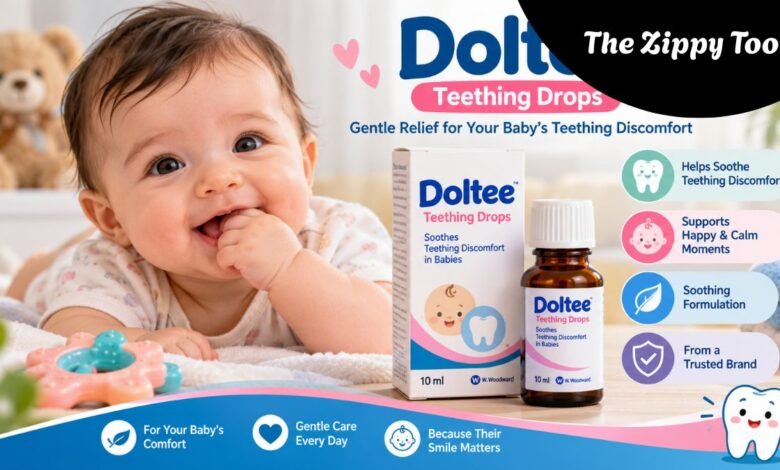
Teething is a natural stage of childhood development, but it can become uncomfortable for babies and challenging for their parents. As new teeth push through sensitive gum tissue, some infants experience soreness, increased drooling, irritability, and disrupted sleep. Parents often look for products that promise quick relief, and Doltee is one teething preparation available in Pakistan.
Doltee is marketed to relieve discomfort associated with emerging baby teeth. However, understanding its ingredients is especially important because medicated teething preparations may contain substances unsuitable or potentially dangerous for infants. Although some retailers promote these products as convenient solutions, medical authorities warn against using certain topical anesthetics for teething.
This article explains what Doltee is, its commonly listed ingredients, how those ingredients work, the possible risks, and safer approaches to managing teething discomfort. It also discusses when parents should seek professional medical advice rather than assuming every symptom is related to teething.
What Is Doltee?
Doltee is a branded teething preparation marketed in Pakistan by W. Woodward Pakistan (Pvt) Ltd. It is commonly listed as Doltee Teething Drops and has been sold in a 10 ml bottle. The product is associated with temporary relief of gum discomfort during the development of an infant’s first teeth.
Unlike ordinary baby-care products designed for cleaning or moisturizing, this preparation contains medicinal ingredients. Pharmacy listings identify it as a local anesthetic product, meaning that its formulation includes an ingredient intended to reduce sensation in the area where it is applied.
Its presence in pharmacies does not automatically establish that it is appropriate for every infant. A medicine’s safety depends on its ingredients, concentration, intended use, the child’s age, and the applicable medical guidance. Parents should therefore avoid treating the product as an ordinary soothing liquid.
An important distinction is that a product being marketed for teething does not necessarily mean that pediatric specialists recommend using it. This is especially relevant for preparations containing lidocaine, also called lignocaine, because international medical authorities have raised significant concerns about its use in young children for teething pain.
Why Babies Experience Discomfort During Teething
Teething usually begins in the first year of life, though the timing varies widely. Many infants develop their first visible tooth around six months, while others start earlier or later. The lower front teeth commonly appear first, followed by other teeth as the child’s mouth develops.
As teeth move through the gums, the surrounding tissue may become tender or slightly swollen. Some babies respond by chewing toys, putting their fingers in their mouths, or becoming temporarily unsettled. Increased saliva can also make the chin and cheeks moist, occasionally contributing to mild skin irritation.
However, teething affects every baby differently. Some infants develop teeth with little visible discomfort, while others need extra comfort for several days. Sleep and feeding may change, but they should not automatically be attributed to emerging teeth.
Understanding this variation matters because parents may otherwise give medication unnecessarily. Mild gum discomfort often responds to simple measures such as gentle massage, suitable teething rings, and extra comfort without needing topical medicines.
Doltee Ingredients and Their Intended Functions
Several Pakistani pharmacy listings identify lignocaine, methyl salicylate, menthol, and phenyl carbinol as ingredients associated with Doltee Teething Drops. Because online medicine descriptions sometimes conflict, the packaging and official product information should always take priority when identifying a particular bottle’s contents.
Lignocaine, also known as lidocaine, is a local anesthetic that reduces sensation by temporarily blocking nerve signals. Although this explains why it might be included in a teething preparation, it also raises important concerns. The United States Food and Drug Administration warns that topical medicines containing lidocaine can cause serious harm when used to treat teething discomfort in infants and young children.
Methyl salicylate belongs to a family of chemicals known as salicylates. It is used in certain preparations associated with temporary pain relief. Salicylates can cause toxicity when excessive amounts are swallowed, which makes ingredient identification and accidental ingestion particularly important when products are kept around children.
Menthol produces a cooling sensation and appears in various oral-care and topical preparations. However, a cooling sensation should not be mistaken for proof that a particular formulation is safe or effective for an infant.
Some ingredient descriptions also list phenyl carbinol, another name for benzyl alcohol. Its presence reinforces the need to review the full formulation rather than focus only on one advertised ingredient.
Importantly, online ingredient lists do not consistently establish the concentrations of these substances. Without verified formulation details, it is not possible to recommend an infant dosage or establish the safety of a particular bottle.
How Doltee Is Intended to Work
Medicated teething preparations are intended to reduce discomfort in irritated gum tissue. A local anesthetic such as lignocaine temporarily interferes with pain signal transmission, while menthol may create a cooling sensation in the mouth.
These effects explain the product’s traditional marketing, but they do not establish that it provides meaningful or lasting relief during teething. Saliva can quickly dilute or wash away substances applied to the gums, and an infant may not be able to control the resulting exposure.
Babies also naturally swallow saliva throughout the day. As a result, an ingredient placed in the mouth may not stay confined to the gums.
The FDA states that topical medicines containing lidocaine or benzocaine offer little to no benefit for children’s teething discomfort and carry potentially serious risks. For this reason, understanding how a medicine is designed to work should never replace an assessment of whether it is appropriate to use.
Is Doltee Safe for Babies?
Safety is the most important question parents should consider before using any medicated teething preparation.
Because Doltee is commonly listed as containing lignocaine, its use deserves particular caution. The FDA advises against using lidocaine-containing topical products for teething pain in infants and young children. Reported serious complications associated with oral lidocaine exposure include seizures, heart problems, and severe neurological injury.
The severity of these risks depends on the preparation and circumstances of exposure, and the warnings should not be interpreted as evidence that every Doltee user experiences such complications. Nevertheless, parents should not apply Doltee to an infant’s gums without first consulting a qualified pediatrician or pharmacist who has reviewed the actual formulation.
Product instructions found on retail websites should not be treated as a substitute for professional medical guidance. Parents should never estimate a dose using household spoons, increase the quantity because discomfort continues, or combine different teething medicines without medical advice.
For routine teething discomfort, non-medicinal soothing measures are generally the preferred starting point.
Possible Side Effects and Important Precautions
Medicinal products applied inside the mouth can produce unwanted effects, particularly in young children. Depending on the ingredients and exposure level, potential concerns include local irritation, allergic reactions, and adverse effects from swallowing too much.
Lignocaine is especially significant because excessive exposure can affect the nervous system and heart. Methyl salicylate also requires care because substantial ingestion can cause salicylate poisoning. The exact risk associated with an individual preparation cannot be determined without knowing the formulation and amount involved.
Parents should watch for unusual symptoms after any medicine exposure, including unexplained drowsiness, vomiting, seizures, breathing difficulties, or a sudden change in responsiveness. Serious symptoms require immediate medical attention.
If an infant accidentally swallows an unknown or excessive amount of a teething medicine, caregivers should seek urgent advice from a medical professional or poison-information service rather than waiting for symptoms to develop. They should not attempt to make the child vomit.
All medicines must be stored securely, away from children, even when the packaging appears small or harmless.
Safer Alternatives for Relieving Teething Discomfort
Many babies can be comforted without medicated gum preparations. The American Academy of Pediatrics and other healthcare authorities recommend practical approaches that reduce irritation while avoiding unnecessary exposure to potentially harmful ingredients.
One effective option is gentle gum massage using a clean finger. Light pressure on tender gum tissue may provide temporary relief, particularly when a tooth is close to emerging.
A firm, age-appropriate rubber teething ring can also be useful. Refrigerating the ring may provide a soothing cooling effect, but do not freeze it, as extremely hard or cold surfaces can injure sensitive gums. Parents should supervise infants while they use teething toys and should avoid damaged or liquid-filled products that could leak.
Extra cuddling, comforting, and maintaining familiar feeding and sleeping routines may also help unsettled babies.
When discomfort is more significant, a pediatrician or pharmacist may recommend an age-appropriate oral pain reliever, such as paracetamol or ibuprofen, depending on the child’s age, weight, medical history, and local guidance. Caregivers should follow professional dosing advice rather than improvising.
These alternatives are generally better than using anesthetic drops applied directly to an infant’s gums.
How to Recognize Teething Symptoms and Other Illnesses
A common parenting challenge is distinguishing ordinary teething discomfort from symptoms of a separate medical condition. Mild irritability, increased chewing, drooling, and tender gums are consistent with teething, but more serious symptoms should not be dismissed.
For example, a slight temperature increase may coincide with emerging teeth, but a genuine fever of 38°C or higher should not automatically be blamed on teething. Significant diarrhea, repeated vomiting, breathing difficulties, dehydration, or persistent crying can indicate another health problem.
Feeding changes also require attention. An infant who briefly prefers softer feeding may have gum tenderness, but persistent refusal to feed can reduce fluid intake.
Parents should seek medical advice when symptoms are unusually severe, prolonged, or inconsistent with normal teething. This is particularly important for very young babies and children with existing health conditions.
Careful observation helps prevent unnecessary medicine use while ensuring that infections or other illnesses receive appropriate attention.
The Importance of Early Oral Hygiene
Teething marks the beginning of an important stage in a child’s oral development. Once the first tooth emerges, parents should start simple, consistent dental-care habits.
Gently cleaning new teeth with an appropriate soft baby toothbrush helps remove food residue and supports healthy gums. Parents should follow local dental guidance on using a small amount of fluoride toothpaste appropriate for their child’s age.
As additional teeth appear, regular cleaning becomes increasingly important because baby teeth can develop cavities just like permanent teeth. Sugary drinks and prolonged exposure to sweetened liquids increase the risk of tooth decay.
Healthy oral habits established during infancy can support better dental health throughout childhood. Dental professionals can also help parents understand tooth development, feeding practices, and when to schedule a child’s first dental appointment.
Teething products cannot replace these preventive practices, and medicine should never become the primary response to ordinary dental development.
What Parents Should Check Before Buying Doltee
Before buying medicine for an infant, parents should look beyond the brand name or advertised benefits. Key information includes the active ingredients, their concentrations, manufacturer details, expiry date, and any age-related restrictions.
With Doltee, this step is especially important because different online sellers provide inconsistent descriptions of its ingredients and intended use. Some listings identify local anesthetic ingredients, while others describe a different type of pain-relieving medicine. Such differences should not be resolved through guesswork.
Parents should ask a licensed pharmacist to verify the manufacturer’s label and explain whether the preparation fits current pediatric safety recommendations.
Packaging condition and storage requirements also matter. Products with damaged seals, unclear labeling, missing instructions, or uncertain origins should not be used.
Ultimately, convenience, price, and availability matter less than ensuring a medicine suits a child’s age and clinical needs.
Conclusion
Doltee is a teething preparation marketed in Pakistan, but understanding its ingredients and safety implications is essential before considering its use for an infant. Although it is associated with relief of gum discomfort, listings identify ingredients such as lignocaine and methyl salicylate that require careful attention.
Medical guidance increasingly emphasizes that routine teething discomfort is best managed through simple, supportive measures rather than potentially hazardous topical anesthetics. Clean-finger gum massage, appropriate teething rings, gentle comforting, and professional advice when necessary are sensible starting points.
Parents should remember that teething is a normal developmental process, not an illness that always requires medication. If symptoms seem severe or unusual, it’s safer to consult a qualified healthcare professional than to rely on an over-the-counter preparation.
The most important principle is straightforward: a baby’s safety should always come before promises of quick teething relief.
(FAQs)
1. What is Doltee used for?
Doltee is marketed as a teething preparation for relieving discomfort associated with emerging baby teeth. However, commonly listed formulations contain lignocaine, and medical authorities warn against using lidocaine-containing products for teething pain in infants and young children.
2. What are the main ingredients in Doltee?
Pakistani pharmacy listings commonly identify lignocaine, methyl salicylate, menthol, and phenyl carbinol. Parents should check the actual manufacturer’s packaging because online descriptions may be incomplete or inconsistent.
3. Can Doltee be given to newborn babies?
Parents should not give Doltee to newborns or other infants without guidance from a qualified medical professional. Lignocaine-containing teething preparations raise serious safety concerns, and newborns should not receive medication for presumed teething without medical assessment.
4. Are there safer alternatives to Doltee?
Yes. Commonly recommended approaches include gentle gum massage with a clean finger, supervised use of a suitable chilled teething ring, and comfort measures. Age-appropriate oral pain relief may sometimes be advised by a healthcare professional.
5. When should parents consult a doctor about teething?
Seek medical advice if a baby develops a genuine fever, persistent feeding difficulties, significant diarrhea, unusual sleepiness, prolonged crying, or other concerning symptoms. These problems should not automatically be attributed to teething.