Lucipara: The Incredible Hidden Islands of Indonesia and Their Remarkable Natural Beauty

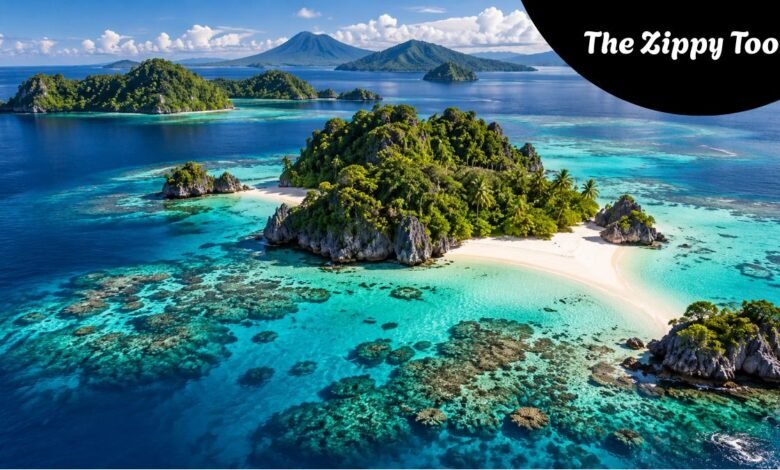
Far from Indonesia’s crowded beaches and famous holiday destinations lies a remarkable island group surrounded by deep blue water, colorful coral reefs, and extraordinary marine life. Known as Lucipara, this remote island group in the Banda Sea has attracted attention from marine researchers, conservation organizations, and adventurous travelers. Its isolation has helped preserve valuable natural habitats, making the surrounding waters particularly important for understanding healthy tropical reef ecosystems. Unlike popular destinations such as Bali, Lucipara remains relatively unfamiliar to international tourists, and reaching the islands requires considerably more preparation than an ordinary beach holiday.
This destination is interesting not only for its natural beauty but also for the scientific importance of its underwater environment. Research has revealed healthy coral communities, substantial fish populations, and an impressive presence of sea turtles and sharks. However, increasing human pressure and the challenges of managing remote marine environments have raised important questions about how to protect these ecosystems. This article explores Lucipara’s location, geography, history, marine biodiversity, conservation challenges, and travel considerations, and explains why these small Indonesian islands deserve attention.
What Is Lucipara?
Lucipara most commonly refers to the Lucipara Islands, a remote collection of coral islands and reefs in Indonesia’s Banda Sea. The island group is associated with the Maluku region, historically known as the Moluccas, which contains numerous islands scattered across eastern Indonesia. The name also appears in geographical records as Pulau-pulau Maisel and in several alternative historical spellings.
Despite their modest land area, the islands support an ecologically important marine environment. Shallow coral formations, steep underwater slopes, and surrounding deep-water habitats support different marine species. Scientific investigations have highlighted the relatively healthy condition of many of these reefs compared with more heavily exploited coastal environments.
The word lucipara also appears in biological classification. For example, Euplexia lucipara is the scientific name of the small angle shades moth. This is a separate use of the name and should not be confused with the Indonesian islands. In geographical discussions, however, Lucipara generally refers to the remote Banda Sea island group.
Where Is Lucipara Located?
The islands are situated in the Banda Sea of eastern Indonesia, within the wider Maluku region. They lie south of the Manipa Strait and relatively close to the Penyu Islands, although substantial stretches of open sea separate these island formations from larger inhabited centres. Their geographical position places them within the broader Coral Triangle, a region internationally recognized for its exceptional concentration of marine biodiversity.
The location is one reason Lucipara remains so distinctive. The islands are not connected to major population centers by ordinary roads or scheduled passenger transport. Reaching the area generally requires a long sea journey, often by specialist vessels or on research expeditions. The nearest major regional travel gateway is Ambon, an important city in Maluku, but the islands lie far beyond typical tourist infrastructure.
Understanding the Island Group
Different geographical and conservation references sometimes describe Lucipara using slightly different boundaries. The narrower geographical grouping includes islands associated with the Maisel group, while broader marine conservation studies also consider neighboring islands in the Penyu group. Regional descriptions name islands such as Maisel, Selatan, Karaungka, Laponda, Mai, Bingkudu, and Kadola.
These distinctions matter because the surrounding marine ecosystem extends well beyond the visible land. Conservation planning must consider reefs, deeper underwater features, nearby island habitats, and the relationships between marine species that move through these environments.
The Fascinating Geography and Natural Environment
One of the most impressive features of the Lucipara region is its dramatic contrast between small tropical islands and the immense ocean surrounding them. Coral reef structures create relatively shallow areas, while deeper marine environments begin beyond the reef slopes. This combination supports diverse underwater habitats and contributes to the diversity researchers observe.
Coral reefs matter because they provide shelter, feeding grounds, and breeding environments for many marine organisms. Their complex physical structures create spaces where small fish can hide from predators, while larger species patrol exposed reef edges. Healthy coral systems also support sponges, crustaceans, mollusks, and many other marine invertebrates.
Another interesting aspect of this environment is its relative isolation. Many coral reefs worldwide experience heavy pressure from coastal construction, pollution, intensive tourism, and fishing. Lucipara’s distance from large settlements has reduced some of these pressures, although remoteness does not guarantee complete environmental protection.
Marine Wildlife That Makes Lucipara Special
The underwater environment is arguably Lucipara’s greatest natural asset. Researchers have documented a substantial diversity of reef fish, coral communities, sharks, and sea turtles. These observations matter because populations of large marine animals often decline in areas affected by overfishing or habitat degradation.
Sea Turtles and Their Importance
Sea turtles are among the most notable animals associated with this island group. During ecological surveys conducted in 2021, a Coral Triangle Center expedition recorded more than 1,100 turtle observations while examining islands and surrounding waters. The reported species included green turtles, hawksbill turtles, and some loggerhead turtles.
These findings demonstrate the region’s importance as turtle habitat. Sea turtles depend on suitable marine environments throughout their lives, and protecting their feeding areas and coastal habitats is essential for their survival. Because some species migrate over considerable distances, conservation efforts in one location can benefit populations that use several different marine regions.
Sharks and Large Reef Fish
Sharks are another important feature of the local ecosystem. Field observations have identified sharks alongside large reef fish such as groupers and trevallies. Their presence can indicate that parts of the marine food web can still support higher-level predators.
Large predatory species play important ecological roles by interacting with prey populations and influencing the balance of marine communities. However, the presence of sharks alone does not prove that an ecosystem is entirely undisturbed. Scientists must also examine fishing pressure, habitat conditions, species diversity, and long-term population trends.
Coral Reefs and Smaller Marine Species
The islands’ reefs support a variety of coral formations, reef fish, and other organisms. Their diversity creates a complex ecosystem in which species depend on one another for food, protection, and suitable living conditions.
Scientific surveys published in 2023 described medium to high coral cover and unusually high reef-fish biomass at surveyed locations. These findings suggest that the islands contain some of Indonesia’s healthier remaining reef communities. Nevertheless, conditions vary between individual sites, meaning that some reef areas face more ecological damage than others.
The History of Lucipara and Its Maritime Connections
Although detailed historical information about the islands is scarce, their position in the Banda Sea connects them to a region with a long history of maritime exploration, navigation, and trade.
For centuries, the wider Maluku Islands played an important role in networks connecting Southeast Asian communities and international merchants. The Banda region became particularly significant because of its association with the historical spice trade. It would be inaccurate to assume Lucipara itself was a major spice-trading center, but its surrounding waters were part of a much larger maritime landscape.
One documented historical reference comes from the nineteenth-century American diplomat and traveler Edmund Roberts, who recorded the islands as Lucepara in an account of his 1832 voyage. Such historical variations are common among locations that appeared in European and international maritime records.
The islands also have connections to local communities through customary resource use. Conservation researchers have reported that families associated with the area maintain relationships with coconut resources on certain islands. This illustrates why successful environmental planning must recognize both ecological concerns and the legitimate interests of people historically connected with the islands.
Why Scientists Are Interested in Lucipara
Marine scientists are particularly interested in places where reef ecosystems have experienced comparatively limited direct human disturbance. Such environments provide valuable opportunities to understand the natural structure of reef communities and establish reference points for conservation research.
A 2023 study examined the coral reefs and fish communities of the Lucipara group. Researchers found substantial reef-fish biomass, including large predatory species, and reported that surveyed sites exceeded a proposed conservation benchmark for fish biomass by approximately two to ten times.
These findings matter because they show what relatively healthy reef communities can look like in a world where many coral ecosystems have declined sharply. They also show that remote islands can contribute meaningfully to national and international biodiversity conservation.
However, Lucipara should not be presented as a perfectly untouched marine paradise. Researchers have identified damaged reef areas and documented threats that require continuing attention.
Environmental Threats and Conservation Challenges
Despite its remote position, Lucipara faces several environmental challenges. One of the most serious concerns is destructive fishing, particularly practices involving explosives that can damage coral formations and kill marine organisms indiscriminately. Even relatively infrequent destructive activities can have lasting consequences because reef structures may take years or decades to recover.
Marine debris presents another problem. Plastic waste can travel long distances through ocean currents, so isolated islands may experience pollution originating far beyond their immediate surroundings. Discarded fishing equipment can also harm turtles, fish, and other marine animals.
Climate change creates additional long-term risks. Rising ocean temperatures increase the likelihood of coral bleaching, while changing marine conditions can affect species distribution and ecosystem stability. These wider environmental pressures make local protection increasingly important.
Efforts to Protect the Islands
In March 2026, representatives from the Maluku Marine Affairs and Fisheries Department, the Coral Triangle Center, and Yayasan Konservasi Alam Nusantara discussed collaborating to establish and manage a marine protected area in the Lucipara region.
The discussions focused on scientific evidence, sustainable management, regional planning, and cooperation among relevant organizations. Conservation proposals also considered carefully managed marine tourism that supports local economic opportunities without undermining ecological protection.
The success of such efforts depends on effective monitoring, responsible enforcement, community participation, and long-term funding. A proposed or planned protected area should not be described as fully established or effectively enforced until its legal and management status is confirmed.
Can Tourists Visit Lucipara?
Traveling to Lucipara differs greatly from visiting Indonesia’s established holiday destinations. The islands lack conventional resort infrastructure comparable to Bali or Lombok, and tourists should not expect regular accommodation, convenient public transport, or easily accessible medical facilities.
Historically, visits have involved specialist liveaboard vessels, diving expeditions, and organized research journeys. The open-water distances and changing sea conditions mean that responsible planning is essential. Travelers should consider vessel safety, weather, communications, emergency arrangements, and any applicable access restrictions.
Experienced divers may find the surrounding reefs particularly appealing because of their dramatic underwater landscapes and abundant marine life. However, diving in remote environments requires appropriate training, suitable equipment, and professional supervision.
Visitors should also verify current local regulations and any marine conservation restrictions before making arrangements. Responsible tourism means avoiding contact with coral, respecting wildlife, preventing waste pollution, and following instructions from qualified guides and relevant authorities.
Why Lucipara Matters Beyond Tourism
These islands matter for more than their potential as an unusual travel destination. Healthy coral reefs support marine food webs, protect biodiversity, and offer opportunities to study environmental change. Conserving them can also strengthen broader efforts to protect biodiversity across Indonesia’s eastern seas.
Lucipara shows how seemingly small, isolated places can have considerable ecological value. A few islands may take up little space on a map, yet the marine habitats around them can support extensive networks of living organisms.
The broader lesson is that environmental protection must begin before severe ecological damage becomes unavoidable. Preserving relatively healthy ecosystems can be more effective than restoring them after extensive destruction.
Conclusion
Lucipara is much more than a little-known location in Indonesia’s Banda Sea. Its isolated islands and surrounding reef ecosystems represent an important part of the country’s marine natural heritage. From remarkable turtle observations and healthy fish populations to historical maritime connections and ongoing conservation initiatives, the region provides valuable insights into the relationship between nature, geography, and human responsibility.
The islands’ significance lies in their potential to remain a refuge for marine biodiversity amid widespread environmental pressure. Scientific research has highlighted their ecological strengths, while conservation organizations continue working to address threats that could undermine their future. Protecting Lucipara requires more than admiring its tropical beauty; it requires thoughtful management, scientific monitoring, and respect for the people and wildlife connected with the region. With responsible protection, these extraordinary islands can remain a key example of the natural richness found in Indonesia’s remote seas.
(FAQs)
1. What is Lucipara famous for?
Lucipara is best known geographically for its remote Indonesian islands, coral reefs, abundant marine wildlife, and significant populations of sea turtles and reef fish. Its ecosystems have attracted growing scientific and conservation interest.
2. Where are the Lucipara Islands?
The islands are located in Indonesia’s Banda Sea within the wider Maluku region. They are situated south of the Manipa Strait and near the Penyu island group.
3. Are the Lucipara Islands inhabited?
The main islands lack established villages or typical residential infrastructure. However, they have historical community connections, occasional resource-harvesting visits, and a navigation-related presence documented on Mai Island.
4. Is Lucipara a good destination for diving?
The surrounding waters contain coral walls, reef fish, sharks, and other marine life that may appeal to experienced divers. However, its remoteness makes professional planning, suitable sea conditions, and reliable vessel arrangements essential.
5. Does Lucipara have another meaning?
Yes. The word appears in scientific animal names, including Euplexia lucipara, a moth commonly called the small angle shades. This biological usage is separate from the Indonesian geographical name.