Wollmatten: Amazing Benefits, Practical Uses, and Why Natural Wool Mats Are Worth Discovering

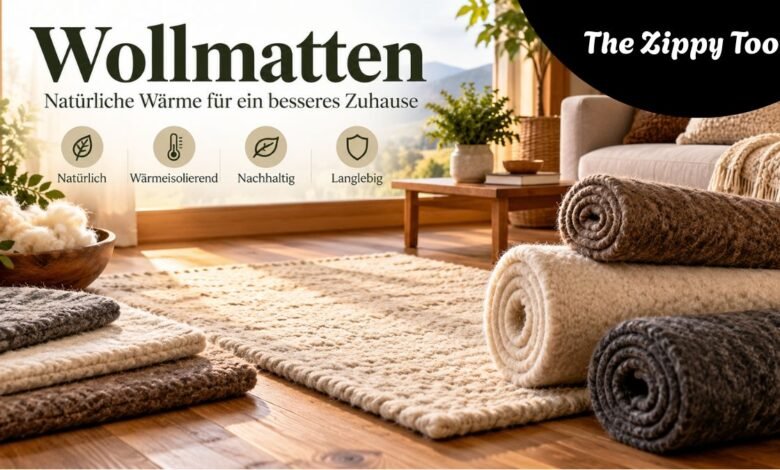
Natural materials are attracting renewed interest as homeowners, designers, and environmentally conscious consumers look for alternatives to conventional synthetic products. Among these materials, Wollmatten have become an attractive option because they combine comfort, durability, and versatility. These wool-based mats have applications extending far beyond ordinary floor coverings, including interior decoration, gardening, insulation, and protective surfaces. Their natural texture and practical properties make them worth considering for anyone interested in products made from renewable resources.
Although the name may sound unfamiliar to English-speaking readers, the idea behind these products is straightforward. People have used wool in textiles for centuries, valuing its softness, insulating qualities, and moisture-responsive properties. Modern manufacturing methods have expanded its potential, allowing manufacturers to produce mats in different thicknesses, densities, and designs. Understanding these variations helps explain why natural wool matting remains in contemporary homes, workshops, gardens, and building applications.
What Are Wollmatten?
The word Wollmatten comes from German and translates to wool mats in English. It combines Wolle, meaning wool, with Matten, meaning mats. The term generally describes mats or sheets manufactured entirely or partly from wool fibers, most commonly obtained from sheep. Unlike a particular brand name or patented technology, it describes a broad category of textile products that can serve different purposes.
Some examples are soft, decorative coverings intended for living rooms or bedrooms, while others are dense, felt-like materials designed for insulation, cushioning, or protection. Depending on the manufacturing process, a wool mat may have a smooth surface, a thick pile, or a firmly compressed structure. This variety means consumers should consider the product’s composition, intended application, and construction rather than assuming every wool-based mat offers identical performance.
How Wollmatten Are Made
The manufacturing process generally begins with wool collected during sheep shearing. For many indoor products, the raw fibers are cleaned to remove dirt, grease, and unwanted material before being sorted and prepared for textile production. The wool may then be carded, a process that separates and aligns the fibers so they can be formed into a more consistent structure. Depending on the finished product, manufacturers can use weaving, felting, tufting, or mechanical needle-punching techniques to create mats with different properties.
Felted wool mats are particularly interesting because they do not require traditional weaving. Instead, moisture, friction, pressure, or mechanical processing entangles wool fibers, creating a compact textile. Woven varieties use interlaced yarns to form flexible coverings with different patterns and textures. Some manufacturers also combine wool with cotton, jute, polyester, or other materials to meet specific strength, appearance, or cost requirements. As a result, not every product advertised as natural wool matting contains only wool, so material labels are an important part of the purchasing decision.
Different Types of Wool Mats and Their Features
Felted Wool Mats
Felted varieties are commonly recognized for their compact texture, flexibility, and practical design. They can be manufactured in varying densities, making them suitable as protective surfaces, furniture pads, craft materials, or decorative household accessories. Their relatively uniform structure can make them suitable for projects requiring precise shapes or consistent thickness. However, a felt product’s durability depends on fiber quality, the manufacturing process, and intended working conditions.
Woven and Decorative Wool Mats
Woven mats are created by interlacing wool yarns, allowing manufacturers to produce different colors, patterns, and surface finishes. They are commonly used for interior decoration because their texture complements wooden furniture, neutral walls, and traditional or contemporary design styles. Decorative versions may feature geometric patterns, textured finishes, or understated natural shades. Their appearance makes them attractive as floor coverings, although the appropriate product should always be selected according to expected foot traffic and cleaning requirements.
Insulation and Protective Wool Mats
Specialized mats are manufactured for applications where thermal insulation, cushioning, or sound absorption matters more than decorative appearance. These products may be installed within suitable building assemblies or used as padding between surfaces. Their thickness, density, treatment, and technical specifications determine their performance. Building insulation products should not be confused with ordinary household wool mats, since construction materials must meet relevant installation and safety requirements.
The Natural Properties That Make Wollmatten Useful
One of wool’s most valuable characteristics is its naturally crimped fiber structure. These small bends create spaces that trap air, slowing heat transfer. This explains why wool is commonly associated with warmth and insulation. When processed into suitable mats, the material can provide a comfortable surface while reducing the cold sensation often felt on hard floors. However, the actual insulating performance depends on thickness, density, and the surrounding environment.
Another notable quality is moisture management. Wool fibers can absorb water vapor from the surrounding air and release it as conditions change. This interaction helps textiles respond to humidity fluctuations, although it does not make them waterproof. Wool also offers natural elasticity, allowing its fibers to bend and recover under ordinary use. These properties make it useful in household textiles and select technical applications, making the material more versatile than its soft appearance might initially suggest.
Wollmatten in Modern Interior Design
Natural textures have an important role in interior design because they introduce visual depth without requiring elaborate decoration. Wool mats can soften rooms dominated by glass, polished wood, stone, or metal. Their texture contrasts with hard furnishings, creating a warmer, more inviting atmosphere. Neutral shades such as cream, beige, grey, and brown work particularly well with minimalist interiors, while patterned designs can provide a focal point in more traditional spaces.
In bedrooms, suitable wool floor coverings can offer a softer surface beside the bed. In living rooms, they may help define seating areas or complement upholstered furniture. Smaller felt mats can serve as table accessories, protect furniture, or add decorative detail. When choosing products for slippery floors, however, a suitable non-slip backing or underlay is essential. The combination of appearance, safety, and practicality determines whether a wool mat suits a particular interior.
Thermal Insulation and Sound Absorption
Wool’s natural structure also makes it relevant to temperature control and acoustics. When manufactured as specialized insulation, the fibers trap air and can reduce heat transfer through an appropriately designed building element. This property has encouraged interest in wool-based alternatives to some conventional insulation materials, particularly where renewable resources are a priority.
Similarly, fibrous wool products can absorb certain sound frequencies, helping reduce echoes and unwanted reverberation when correctly positioned and specified. However, sound absorption is not the same as soundproofing. A wool mat placed in a room cannot automatically prevent noise from traveling through walls or floors. Acoustic results depend on the material’s thickness, density, mounting arrangement, and sound frequency. For construction projects, technical performance data and applicable building regulations should guide material selection.
The Role of Wool Mats in Gardening
Beyond indoor applications, wool-based matting can serve useful functions in gardening and landscape management. Some products are designed to cover exposed soil, helping limit evaporation, reduce direct sunlight exposure, and suppress unwanted plant growth. Because wool can hold moisture, it can also help manage moisture around plants when used appropriately. Garden-grade mats are sometimes manufactured to protect soil surfaces, establish vegetation, or support erosion-control projects.
A particularly interesting feature is that natural wool contains nitrogen-rich proteins. As untreated, biodegradable wool breaks down under suitable soil conditions, it can gradually release nutrients. This makes some wool-based garden products useful as organic mulching materials. Nevertheless, gardeners should choose products specifically intended for horticulture. Do not automatically place decorative wool mats with synthetic backing, dyes, adhesives, or unsuitable chemical treatments around edible plants or incorporate them into garden soil.
Environmental Benefits and Sustainability
These products’ environmental appeal begins with wool’s status as a renewable animal fiber. Sheep grow fleece repeatedly, allowing wool to be collected through regular shearing. Pure wool is also biodegradable under suitable conditions, unlike many conventional plastic-derived textile fibers. These characteristics create opportunities for manufacturers seeking renewable raw materials and products that remain useful for extended periods.
Nevertheless, sustainability requires a broader assessment than simply choosing a natural material. Sheep farming has environmental impacts, including land use, greenhouse gas emissions, and resource consumption. Wool processing, dyeing, transportation, and finishing can also affect a product’s environmental footprint. A blended mat with synthetic backing may not offer the same end-of-life advantages as an untreated pure-wool product. Therefore, when evaluating sustainability claims, consider responsible sourcing, animal welfare, manufacturing transparency, durability, and repairability.
How to Choose the Right Wollmatten
Choosing the right product begins with understanding where it will be used. A decorative mat in a quiet bedroom has different requirements than a protective covering in a workshop or a specialized material installed inside a building. Buyers should review fiber composition, thickness, density, dimensions, surface texture, backing, and cleaning instructions before deciding.
For indoor floor coverings, pay particular attention to comfort, appearance, abrasion resistance, and slip prevention. For craft projects, consistent thickness and ease of cutting may matter more. Gardening products should withstand soil and outdoor moisture, while insulation materials require documented thermal performance and appropriate fire and installation specifications.
Price is another consideration. High-quality wool products may cost more upfront than basic synthetic alternatives, but durability and suitability may justify the extra expense. Instead of choosing the cheapest option, buyers should compare expected service life, maintenance needs, and product quality.
Cleaning and Maintaining Natural Wool Mats
Proper maintenance can significantly affect a wool mat’s appearance and lifespan. Indoor floor coverings should be cleaned according to the manufacturer’s instructions, with regular gentle vacuuming often helping remove loose dust and surface debris. Address accidental spills promptly because prolonged moisture exposure can cause staining, unpleasant odors, or damage to certain backing materials.
When deeper cleaning is necessary, a wool-compatible cleaning method should be selected. Excessive scrubbing, harsh chemicals, high heat, and uncontrolled soaking can damage fibers or cause shrinkage, especially in felted products. Some mats are better suited to professional cleaning than home washing. Allowing a mat to dry thoroughly after appropriate cleaning helps maintain its condition.
Storage also matters. Keep wool products clean and dry, and take precautions against textile pests such as clothes moths. Gentle handling and regular inspection can help preserve the mat’s original texture and usefulness.
Potential Drawbacks and Important Considerations
Despite their advantages, wool mats are not suitable for every situation. Some products may shed loose fibers during initial use, while coarser varieties can feel rough against sensitive skin. Wool may also require more careful cleaning than some machine-washable synthetics. Products exposed to persistent dampness can develop problems if they are not designed for those conditions.
Cost and product availability can also influence purchasing decisions. Specialized pure-wool mats may be more expensive than alternatives, while some low-cost versions contain substantial synthetic materials. For these reasons, understanding each product’s limitations is as important as recognizing its natural advantages.
Why Natural Wool Matting Remains Relevant
Interest in renewable materials has encouraged designers and manufacturers to reconsider familiar resources. Wool offers a combination of tactile comfort, flexibility, moisture interaction, and insulating properties that makes it useful in several fields. Modern production techniques allow these properties to be adapted for different products without limiting wool to traditional clothing or carpets.
The long-term relevance of wool matting will depend on product quality, responsible sourcing, and clear communication about its actual capabilities. When manufacturers develop materials for specific purposes, and consumers make informed choices, wool-based products can remain a practical part of contemporary living.
Conclusion
Wollmatten represent a versatile category of natural wool mats that combine traditional textile knowledge with modern applications. From decorative flooring and protective felt products to specialized insulation and gardening materials, their usefulness reflects wool’s distinctive physical properties. Natural warmth, moisture management, resilience, and renewable sourcing help explain their appeal.
However, the best results come from choosing a product designed for the intended purpose. Fiber composition, manufacturing quality, safety requirements, and appropriate maintenance all matter. For consumers seeking comfort, functional design, and alternatives to some synthetic materials, well-made wool mats offer a practical option worth exploring.
(FAQs)
1. What does Wollmatten mean in English?
Wollmatten is a German word meaning wool mats. It describes mats made entirely or partly from wool fibers, including decorative floor coverings, felt products, specialized insulation materials, and certain gardening products.
2. Are Wollmatten made from 100% natural wool?
Not always. Some products contain pure sheep’s wool, while others combine wool with synthetic fibers, cotton, jute, or additional backing materials. The best way to confirm the composition is to check the manufacturer’s material specifications.
3. Can wool mats help keep a room warm?
Yes, wool’s naturally crimped fibers trap air and provide insulation. However, an individual mat’s contribution to room temperature depends on its construction, thickness, placement, and the surrounding building conditions.
4. Are wool mats environmentally friendly?
Pure wool is renewable and biodegradable under suitable conditions, which offers potential environmental advantages. However, a product’s overall sustainability also depends on farming practices, processing, transportation, added materials, and expected lifespan.
5. How long do Wollmatten last?
Their lifespan varies with fiber quality, construction, use, and maintenance. A well-made indoor wool mat can last for years with proper use, while biodegradable gardening mats are designed to break down gradually outdoors.