Cellulogia: The Ultimate Guide to Smoother Skin, Cellulite Care, and Its Real Benefits

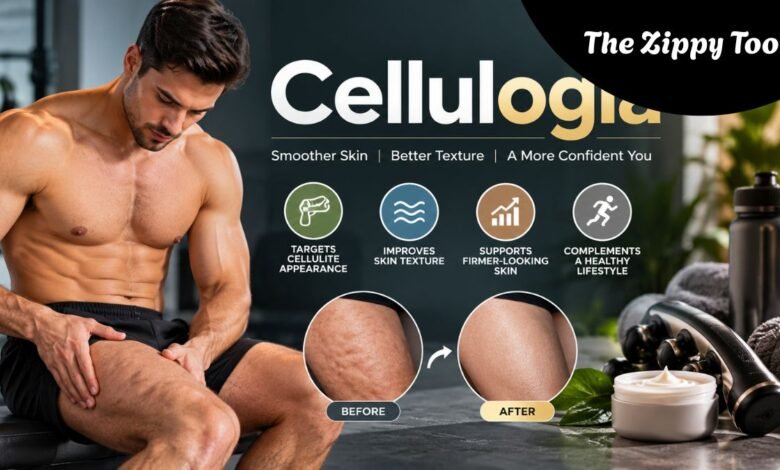
Many people value healthy, smooth-looking skin, but natural changes in skin texture can sometimes become a concern. One term attracting attention in online beauty and wellness discussions is Cellulogia. People often associate it with cellulite care, skin improvement, body massage, and non-invasive cosmetic techniques. Although the name sounds scientific, it’s important to understand what it actually means before considering any product or treatment marketed under this label.
Cellulite is extremely common and can appear regardless of a person’s body weight or fitness level. Popular skincare trends have encouraged interest in approaches that aim to make this natural skin texture less noticeable. Cellulogia is one such term, but it does not represent a medically established treatment with a universal procedure.
This article explores what Cellulogia means, the techniques commonly associated with it, potential skincare benefits, safety considerations, and the realistic results people can expect.
What Is Cellulogia?
Cellulogia is an informal term used in beauty and wellness content to describe methods intended to improve the appearance of cellulite and support skin texture. It is not an officially recognized medical specialty, scientific discipline, or standardized dermatological procedure. Different websites use the name for different approaches, including mechanical massage, skincare products, body-care routines, and professional aesthetic treatments.
The term seems to combine references to cells or cellulite with an ending that resembles scientific terminology. This gives it a technical sound, although the name itself does not demonstrate that a treatment is scientifically validated. In practice, Cellulogia is best understood as an umbrella term rather than a single proven technique.
Some providers associate it with vacuum-assisted massage, while others describe a broader combination of skincare and healthy lifestyle practices. Understanding this difference helps consumers avoid confusing marketing language with established medical evidence.
Understanding Cellulite and Why It Develops
Before exploring the methods associated with Cellulogia, it helps to understand how cellulite forms. Cellulite develops when fat and connective tissue beneath the skin create a dimpled, uneven surface. Fibrous bands pull certain areas of skin downward while underlying fat pushes upward, producing the characteristic texture.
Cellulite commonly appears around the thighs, hips, buttocks, and abdomen. Its development is influenced by genetics, hormones, age, skin thickness, and connective tissue structure. It is more common in women, but men can develop it too.
An important fact is that cellulite is harmless and does not necessarily indicate poor health. Physically active individuals can have noticeable cellulite, while others may have very little. Because its appearance involves multiple structural factors, simply losing weight or applying a moisturizing cream does not guarantee its removal.
How Does Cellulogia Work?
Because Cellulogia has no standardized clinical definition, no single scientifically established explanation exists for how it works. Instead, methods associated with the term can affect the skin in different ways. Some involve mechanical stimulation through massage or suction, while others rely on topical ingredients or professional cosmetic technologies.
Mechanical massage can temporarily change the appearance of skin by stimulating superficial tissues and influencing fluid movement. Moisturizers may make the skin surface appear softer, while certain professional procedures target the underlying structures responsible for dimpling.
These mechanisms should not be confused with guaranteed cellulite removal. A treatment that improves temporary skin smoothness is not necessarily changing the fibrous bands beneath the skin. The effectiveness of any Cellulogia-related service therefore depends on the actual technique being used, rather than the name attached to it.
Common Techniques Associated With Cellulogia
Vacuum Massage and Mechanical Stimulation
One commonly described Cellulogia technique involves a device that combines gentle suction with rolling or kneading movements. These methods resemble existing mechanical massage treatments used in aesthetic clinics and spas. During a session, the device moves across the skin while applying controlled pressure to the treated area.
The intention is generally to stimulate superficial tissue and temporarily improve the appearance of uneven skin. Some people report smoother-looking skin after mechanical massage, but results can vary considerably. Research involving similar vacuum-assisted massage techniques has produced mixed findings, and any visible improvement is often temporary.
Massage may also cause tenderness, temporary redness, or bruising, particularly when strong suction is involved. A professional should explain the equipment, pressure settings, and possible side effects before beginning treatment.
Skincare Creams and Topical Products
Another approach frequently associated with Cellulogia involves creams, lotions, and skin-conditioning products. These formulations may contain ingredients such as caffeine, retinol, or moisturizing agents, each serving a different purpose.
Caffeine-containing creams may temporarily reduce the appearance of cellulite by affecting superficial tissue. Some retinol products may gradually improve skin thickness, but visible changes can take several months of consistent use. Moisturizers primarily support hydration and surface softness rather than changing the deeper structures that produce cellulite.
Consumers should review product ingredients rather than rely on promises of instant transformation. Patch testing can help identify irritation, and retinoid products require additional caution, particularly during pregnancy.
Potential Benefits of Cellulogia-Related Methods
The potential benefits associated with Cellulogia depend on which methods are included. Gentle massage can provide relaxation and temporary changes in skin appearance, while appropriate skincare routines can help maintain hydration and skin comfort. Regular physical activity may also support muscle tone and general well-being.
For individuals concerned about cellulite, some professional procedures can produce more noticeable improvements than ordinary creams or home massage. However, those outcomes belong to the specific treatments that have been studied, not to Cellulogia as an independently proven system.
A sensible approach is to distinguish between cosmetic improvement, temporary smoothing, and long-term structural change. These are different outcomes, and not every technique can achieve all three. Understanding that distinction helps people evaluate claims more accurately.
The Importance of Exercise, Nutrition, and Hydration
Healthy daily habits can support skin health even though they cannot guarantee the elimination of cellulite. Regular movement, strength training, balanced nutrition, and adequate hydration support overall physical well-being and may affect how skin looks and feels.
Strength training can improve muscle tone, which may make the skin surface appear firmer in some individuals. Walking, cycling, swimming, and other enjoyable activities can support circulation and overall fitness. A balanced eating pattern that includes vegetables, fruit, protein, and whole grains also provides nutrients important for normal skin function.
Drinking enough water helps maintain proper hydration, but drinking too much water does not dissolve cellulite. Similarly, restrictive diets and rapid weight loss are not reliable treatments for cellulite. Long-term, sustainable habits matter more than dramatic promises of perfectly smooth skin.
Professional Cellulite Treatments and Their Effectiveness
Certain dermatological procedures have more established evidence than the broad Cellulogia label. These include acoustic wave therapy, selected laser treatments, radiofrequency procedures, and subcision. Each targets cellulite differently, and results vary in quality and durability.
Acoustic wave therapy uses sound waves and may produce modest improvement after multiple sessions. Some laser procedures address connective tissue structures responsible for dimpling. Subcision involves releasing fibrous bands beneath the skin and can provide longer-lasting improvement for appropriately selected patients.
Radiofrequency treatments use controlled energy to heat tissue and may improve skin appearance, although results are often limited and maintenance sessions may be necessary. These treatments have different risks, costs, and recovery requirements. Anyone considering them should consult a qualified dermatologist rather than assume that all procedures promoted as Cellulogia offer equivalent results.
Is Cellulogia Scientifically Proven?
The most important distinction is that Cellulogia itself is not a scientifically established treatment. No universally accepted Cellulogia protocol exists, and the name should not be treated as evidence of clinical effectiveness.
Some techniques commonly discussed under this label have been independently researched. However, evidence supporting a particular laser procedure, massage device, or topical ingredient does not automatically validate every product or service using the Cellulogia name.
Consumers should be especially cautious of claims promising permanent cellulite removal, dramatic fat reduction, or guaranteed results after a fixed number of sessions. Responsible providers explain both the potential benefits and the limitations of their treatments.
Safety Considerations and Possible Side Effects
Safety depends on the treatment itself, not the Cellulogia label. Gentle topical skincare may cause irritation or allergic reactions, while massage-based techniques can sometimes produce redness, sensitivity, or bruising. More intensive cosmetic procedures may involve swelling, discomfort, changes in pigmentation, or other complications.
People with fragile skin, active infections, circulation disorders, or relevant medical conditions should seek professional advice before undergoing mechanical or energy-based treatments. Certain devices may not be suitable for everyone.
Also avoid aggressive home techniques that promise to break down cellulite through excessive pressure. More force does not necessarily produce better results and may damage the skin.
How to Choose a Reliable Cellulogia Service
Start by asking what they’re actually offering. Because Cellulogia is not a standardized procedure, a clinic should clearly identify its equipment, treatment method, practitioner qualifications, and expected outcomes.
A reliable consultation should explain how many sessions may be required, whether maintenance is necessary, what side effects can occur, and how much the complete service will cost. The provider should also discuss whether the procedure is appropriate for the individual’s skin and health circumstances.
Before-and-after photographs can help, but lighting, posture, and camera angles can affect how results appear. Consumers should prioritize clear explanations and realistic expectations over promotional photos or scientific-sounding jargon.
Common Misconceptions About Cellulogia
One frequent misconception is that Cellulogia is a newly discovered branch of dermatology. In reality, it is an informal label with inconsistent definitions. Another misunderstanding is that any massage, cream, or device promoted under the name must have proven medical benefits.
Some promotional descriptions suggest that cellulite results from toxins that must be removed through special treatments. This explanation is misleading because cellulite primarily involves the arrangement of connective tissue, fat, and skin. Detoxification claims should not be accepted without reliable scientific evidence.
The idea that cellulite only affects people who are overweight is also incorrect. Genetics, hormones, and tissue structure play important roles, meaning people of different body types can develop it.
The Future of Cellulogia and Modern Skin Care
The growing use of terms like Cellulogia reflects broader interest in non-invasive beauty treatments and personalized skincare. Consumers want approaches that fit into everyday routines while delivering improvements without long recovery periods.
Future developments in cellulite care may involve improved imaging, more precise energy-based technologies, and better combinations of established procedures. However, innovations should be evaluated through clinical research rather than marketing language.
As the beauty industry evolves, transparency will remain essential. Treatments that deliver measurable, reproducible results and clearly communicate their limitations are more valuable than products that rely on unfamiliar terminology alone.
Conclusion
Cellulogia is an emerging beauty and wellness term associated with cellulite care, smoother-looking skin, and various cosmetic techniques. Although it sounds scientific, it is not a formally recognized medical treatment or a standardized dermatological system.
Some methods marketed under the term may temporarily improve skin appearance, while certain established professional treatments have research supporting more substantial results. Nevertheless, no universal solution guarantees complete or permanent cellulite removal.
The most sensible approach is to understand the treatment being offered, keep expectations realistic, and prioritize skin health, professional guidance, and evidence-based care. Cellulite is a normal, harmless feature of the human body, and whether to address its appearance remains a personal choice.
(FAQs)
1. What is Cellulogia used for?
Cellulogia is a term used in beauty and wellness discussions, mainly for techniques intended to reduce the visible appearance of cellulite and improve skin texture. It may refer to massage, skincare routines, or non-invasive cosmetic treatments.
2. Is Cellulogia a medically approved treatment?
Cellulogia is not a recognized or standardized medical treatment. Some individual procedures associated with it may involve regulated medical devices, but the name itself does not establish regulatory clearance or clinical effectiveness.
3. Can Cellulogia permanently remove cellulite?
No reliable evidence shows that Cellulogia permanently removes cellulite. Some established dermatological procedures can provide lasting improvement, but outcomes vary, and cellulite may remain or return.
4. Are Cellulogia-related treatments painful?
Comfort depends on the particular method. Gentle massage is generally more comfortable than intensive suction or invasive procedures. Some treatments may cause temporary tenderness, redness, or bruising.
5. Can I use Cellulogia methods at home?
Basic skincare, moisturization, and gentle massage can be incorporated into home routines. However, stronger devices and professional cosmetic procedures require appropriate safety precautions, and some should only be performed by qualified practitioners.