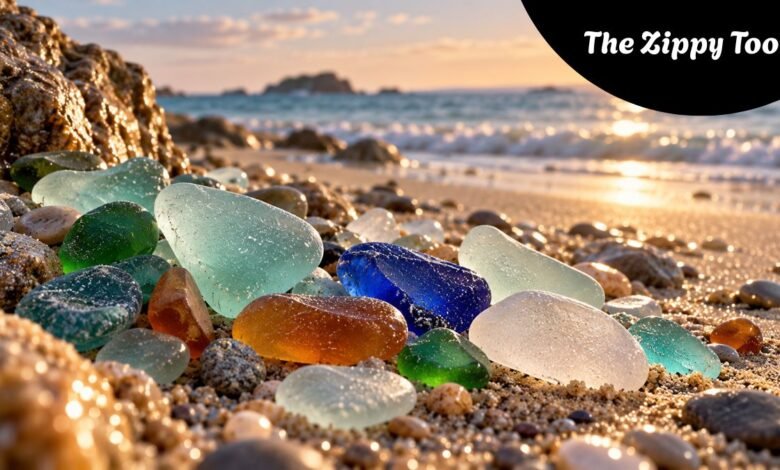
A peaceful shoreline walk can reveal some of nature’s most unexpected treasures. Among the shells, pebbles, and sand, small pieces of colorful, frosted glass occasionally catch the sunlight. These smooth fragments, known as sea glass, have drawn beachcombers, collectors, artists, and jewelry designers worldwide. What makes them remarkable is their transformation from ordinary discarded glass into something that resembles a polished gemstone.
Unlike traditional gemstones formed through geological processes, these coastal treasures begin their journey as manufactured glass. Over many years, waves, sand, and rocks gradually reshape broken fragments, removing their sharp edges and creating a distinctive frosted surface. Each piece carries a connection to human history, the natural environment, and the changing relationship between people and the ocean.
Understanding how sea glass forms, where it can be discovered, and why some varieties are particularly desirable makes collecting it even more rewarding. This article explores its origins, colors, characteristics, value, environmental significance, and practical uses.
What Is Sea Glass?
Sea glass is manufactured glass that has been naturally weathered in a marine environment for an extended period. It typically comes from discarded bottles, jars, tableware, decorative objects, or other glass products that humans introduced into the ocean.
As these fragments move through coastal waters, repeated contact with sand, gravel, and rocks gradually changes their appearance. The resulting pieces often have rounded edges, a soft matte finish, and a slightly translucent surface that distinguishes them from freshly broken glass.
One of the most interesting qualities of authentic sea glass is its individuality. Two pieces from the same original bottle may develop different shapes and textures depending on their exposure to waves, sediment, and coastal conditions. Some fragments become almost perfectly rounded, while others retain clues about their original manufactured form.
Although sea glass is admired as a decorative material, it is also a reminder of historical waste disposal practices. Its beauty comes from natural weathering, but the material itself generally entered the environment through human actions.
How Is Sea Glass Formed Naturally?
Sea glass forms through a gradual physical process that depends on the movement of water, sediment, and coastal rocks. When a glass object breaks and reaches the sea, tides and currents can move its fragments. Waves repeatedly push these pieces against sand, stones, and other hard surfaces, slowly wearing away their sharp edges.
Over time, this continuous abrasion creates the smooth, rounded shapes associated with naturally tumbled glass. The surface also develops microscopic scratches and irregularities that scatter light, producing the familiar cloudy or frosted appearance.
The amount of time required varies considerably. Depending on the beach environment and the fragment’s condition, recognizable sea glass can take decades to form. Some pieces may remain in coastal waters for much longer before being discovered.
Not every broken fragment becomes an attractive collectible. Pieces in sheltered areas may move little, while those along energetic, rocky shorelines can undergo substantial abrasion. Wave energy, sediment, and time determine the final appearance.
The Most Common and Rarest Sea Glass Colors
<underline>Color is one of the most fascinating characteristics of sea glass.</underline> It can reveal information about the original glass product and sometimes clue you into its approximate historical period.
Common Sea Glass Colors
Green, brown, and clear or white are among the most commonly found colors on beaches. These shades often come from beverage bottles, food containers, and other everyday glass products. Green glass may come from various bottles, while brown fragments often come from beer bottles, medicine containers, or household packaging.
Clear glass usually turns white or cloudy after prolonged exposure to abrasive coastal conditions. Although these colors are widely available in many collecting locations, their shape, thickness, and surface quality can still make individual pieces interesting.
Rare and Valuable Sea Glass Colors
Blue, purple, pink, red, orange, and certain shades of turquoise can be harder to find, depending on the region. Red and orange sea glass are particularly sought after in many collecting communities because their sources were less common than everyday bottle glass.
Cobalt-blue pieces may originate from older medicine bottles, decorative containers, or other manufactured glass objects. Purple fragments sometimes develop when certain older manganese-containing clear glasses are exposed to sunlight for long periods, although purple glass can also have other origins.
Rarity is not determined by color alone. A piece’s condition, size, provenance, and local availability also influence its appeal.
Where Can You Find Sea Glass?
Finding attractive sea glass requires patience, observation, and an understanding of coastal conditions. Beaches with a history of settlement, shipping, fishing, or glass-related waste can be productive because they may contain fragments deposited years ago.
Rocky or pebbled shorelines can be promising because wave action moves glass among harder materials, helping it smooth naturally. Collectors often examine areas where small stones, shells, and other materials accumulate after the tide.
The period around low tide can expose areas that were previously underwater. After storms, shifting waves and sediment can uncover pieces that have remained buried beneath the beach surface.
However, no beach is guaranteed to contain sea glass. Some coastlines produce very little, while other areas have become popular destinations for dedicated beachcombers.
Visitors should also check local collecting rules, respect protected environments, and avoid dangerous shoreline conditions.
How to Identify Genuine Sea Glass
Authentic sea glass has several recognizable characteristics that help distinguish it from freshly broken glass or artificially polished fragments.
The first is its surface texture. Genuine examples often show a soft, frosted appearance created by prolonged physical abrasion. Rather than looking shiny and transparent like ordinary glass, they often scatter light across their surfaces.
Another important characteristic is the shape. Natural pieces usually have smooth, rounded edges with irregular contours that reflect repeated movement through coastal sediment. Some fragments retain faint markings, molded details, or subtle curves from their original bottles or containers.
Thickness also varies considerably. Thin pieces may come from drinking vessels or modern packaging, while thicker fragments can originate from older bottles, industrial objects, or decorative products.
No single visual feature proves authenticity. Collectors generally evaluate a piece by considering texture, edge wear, shape, and known origin.
Sea Glass vs. Beach Glass: Understanding the Difference
Sea glass and beach glass are closely related terms and are often used interchangeably. However, some collectors distinguish them based on the environment where the glass developed.
Sea glass generally refers to fragments weathered in saltwater marine environments, while beach glass can include material smoothed along freshwater shorelines, including lakes and rivers.
Both forms develop through repeated contact with sediment and other hard materials. They can look similar, but local conditions may affect surface texture and weathering.
The distinction isn’t universal, and appearance alone doesn’t always show where a piece originated. For casual collectors, both types offer the same appeal: discovering naturally shaped fragments with unusual colors and histories.
Natural Sea Glass vs. Artificially Tumbled Glass
As sea glass has become popular in jewelry and decoration, artificially tumbled glass has appeared in craft markets. Manufacturers can place broken glass fragments inside mechanical tumblers with abrasive materials to imitate the smoothing effects of waves and sediment.
Artificially finished pieces can be attractive and useful for creative projects, but they shouldn’t automatically be presented as genuine ocean-weathered finds.
Natural sea glass often shows varied surface wear, irregular shapes, and differences that reflect prolonged exposure to real coastal conditions. Machine-tumbled fragments may show more consistent finishes, though some artificially produced examples are hard to distinguish by sight alone.
The most reliable approach is to buy from sellers who clearly identify how they obtained or processed their glass. Transparency about origin matters, especially when buyers pay higher prices for collectible natural pieces.
Why Is Some Sea Glass So Valuable?
The value of a sea glass fragment depends on several factors, not just its appearance. Color rarity matters, but experienced collectors also consider condition, size, thickness, shape, and historical interest.
A smooth, well-weathered piece with an unusual color can be more desirable than a larger fragment with sharp edges or an incomplete frosted surface. Uncommon shapes, such as naturally rounded triangular pieces or fragments retaining distinctive original patterns, may also attract collectors.
Historical associations can increase interest when the source can be identified with reasonable confidence. For example, a fragment showing recognizable lettering or bottle details may provide clues about its manufacture.
However, sea glass does not have a universal market price. Values depend on demand, supply, authenticity, and individual buyers’ preferences.
Many collectors appreciate their discoveries more for their stories and beauty than for their financial worth.
Creative Ways to Use Sea Glass
The artistic possibilities of sea glass have contributed significantly to its popularity. Jewelry designers frequently incorporate naturally shaped pieces into necklaces, earrings, bracelets, and pendants. The soft, frosted texture works particularly well with silver, wire-wrapped designs, and minimalist coastal accessories.
Home decoration offers another creative outlet. Collectors arrange fragments inside transparent jars, decorative bowls, picture frames, and coastal-themed displays. Some artists use the varied colors to create mosaics, wall decorations, and detailed handmade pictures.
Sea glass artwork can also become a meaningful personal gift. A small piece collected during a memorable seaside holiday may carry sentimental value when transformed into jewelry or framed artwork.
For craft projects, edges should still be checked carefully, especially if children are participating. Genuine weathered glass is usually smoother than fresh broken glass, but it is not guaranteed to be completely free of sharp points.
Environmental Impact and Responsible Collecting
Although sea glass is beautiful, its existence raises important environmental questions. Most pieces began as waste, and discarded glass can remain in natural environments for extremely long periods.
Unlike organic materials, glass does not readily biodegrade. Instead, physical forces gradually break it down into smaller pieces. Polished fragments should therefore not be mistaken for evidence that glass pollution is environmentally harmless.
Responsible collecting involves more than finding attractive pieces. Visitors should avoid disturbing wildlife habitats, damaging fragile dunes, removing historically protected material, or entering restricted coastal areas.
Some beaches and protected sites prohibit removing natural or historical materials, including glass fragments. Always follow local regulations and posted guidance before taking anything home.
Protecting coastal environments should always matter more than building a personal collection.
How to Clean and Preserve Your Sea Glass Collection
Proper cleaning helps maintain the natural appearance of collected fragments without damaging their distinctive surfaces. Most pieces can be washed gently with clean water and a small amount of mild soap to remove salt, sand, and loose debris.
A soft brush may help remove dirt from surface markings or small indentations. Harsh chemicals and abrasive polishing should generally be avoided because they can change the natural frosted finish.
After cleaning, allow the pieces to dry completely before placing them in a collection box, display jar, or jewelry container.
Collectors who want to preserve individual discoveries can organize them according to color, location, size, or date of collection. Recording where a piece was found can also provide useful context, particularly when a collection grows over many years.
Why Sea Glass Continues to Fascinate Collectors
Sea glass’s enduring appeal comes from the combination of natural processes, human history, and unexpected discovery. Unlike manufactured souvenirs, authentic pieces cannot be predicted or reproduced exactly through natural means.
Every fragment represents an individual journey. A small blue piece might once have been part of a medicine bottle, while a thick green fragment could have belonged to an everyday household container. Although the precise history of most pieces remains unknown, that uncertainty adds mystery.
Collecting also encourages people to observe their surroundings more carefully. Patterns in tides, sediment, shoreline geology, and changing weather conditions become part of the experience.
For many enthusiasts, searching for sea glass is less about owning rare objects and more about connecting with coastal landscapes, appreciating small discoveries, and recognizing beauty in materials that were once considered worthless.
Conclusion
Sea glass shows how ordinary manufactured material can take on a completely different appearance after years of exposure to natural coastal forces. What begins as a broken glass fragment may eventually become a smooth, colorful, and beautifully frosted treasure admired by collectors and artists.
From understanding how different colors originate to recognizing genuine weathered fragments, learning about sea glass adds depth to the simple pleasure of exploring a shoreline. Its connection to history, craftsmanship, and the environment makes every discovery more meaningful.
Whether collected as a hobby, displayed in the home, or transformed into handmade jewelry, sea glass remains an appealing example of unexpected beauty. Its greatest attraction isn’t necessarily its rarity or monetary value, but the remarkable journey each piece took before reaching the shore.
(FAQs)
1. What exactly is sea glass made from?
Sea glass is made from ordinary manufactured glass that has been naturally worn down by the movement of waves, sand, stones, and other coastal materials. It usually originates from bottles, containers, tableware, and discarded glass objects.
2. How long does sea glass take to form?
Sea glass can take decades to develop its characteristic smooth edges and frosted finish. The time depends on water movement, sediment type, exposure, and the fragment’s original condition.
3. What is the rarest color of sea glass?
Red and orange are often considered among the rarest widely recognized sea glass colors. However, rarity varies by location, historical glass use, and supply available to collectors.
4. Is sea glass worth money?
Some sea glass has collectible or decorative value, particularly pieces with unusual colors, attractive shapes, strong weathering, or identifiable historical characteristics. However, most common fragments have modest commercial value, and prices vary significantly.
5. Can you find sea glass on every beach?
No. You’re more likely to find sea glass where glass entered the water historically and where coastal conditions have allowed natural abrasion. Many beaches contain little or none.
6. Is collecting sea glass environmentally friendly?
Collecting loose fragments may remove discarded glass from a beach, but the environmental impact depends on local circumstances. Some shorelines protect their natural, cultural, or historical materials, so visitors should always follow local rules and avoid disturbing habitats.